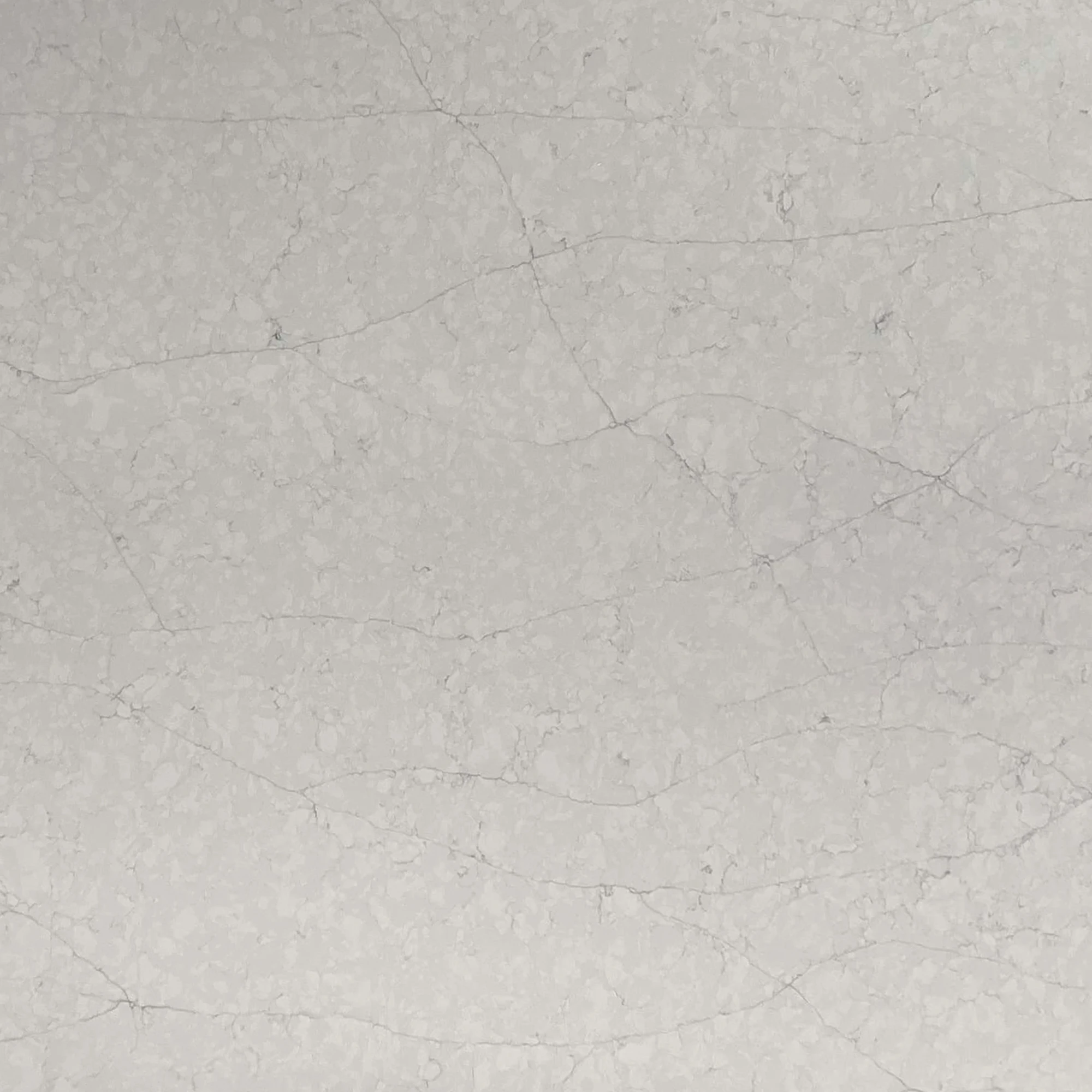
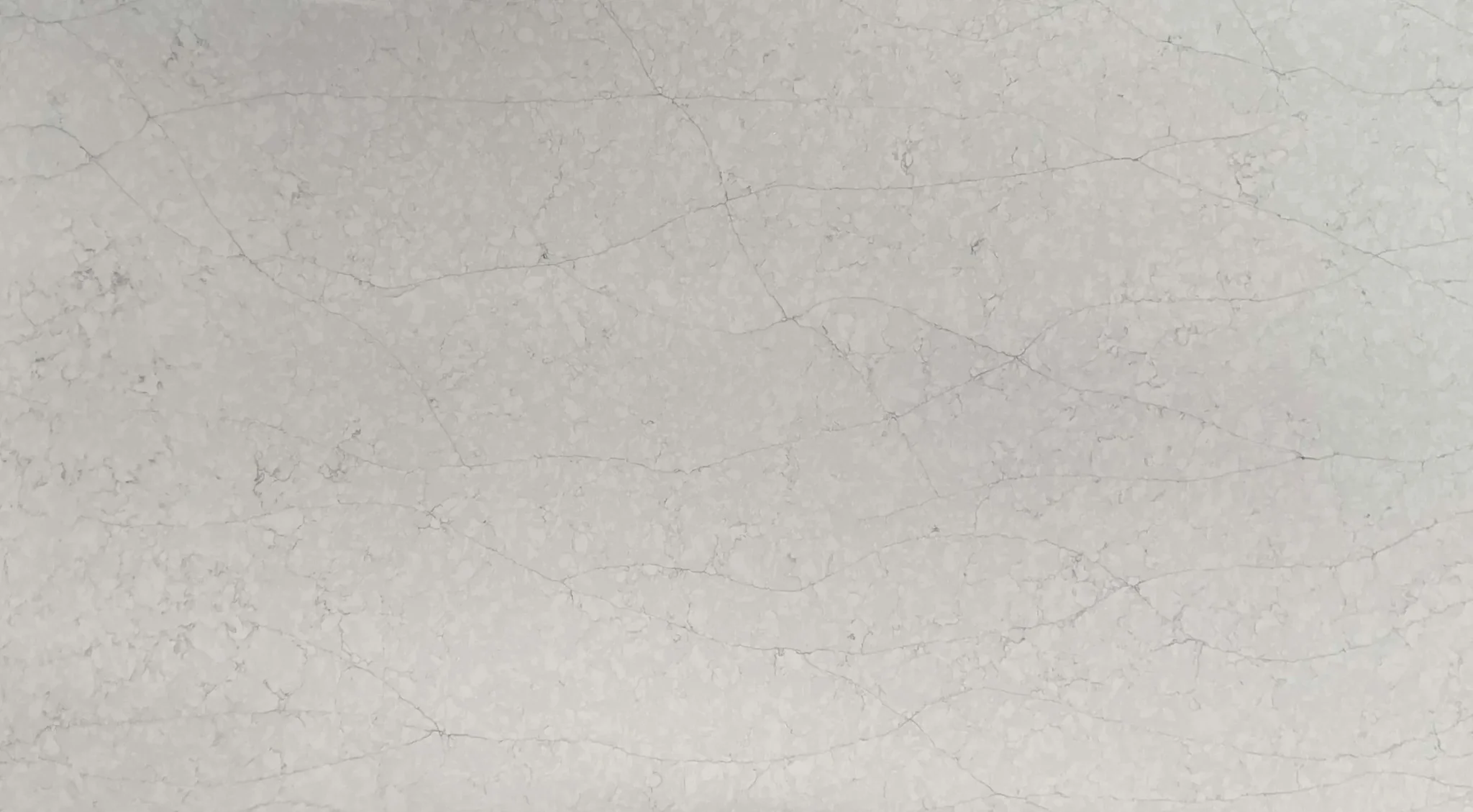
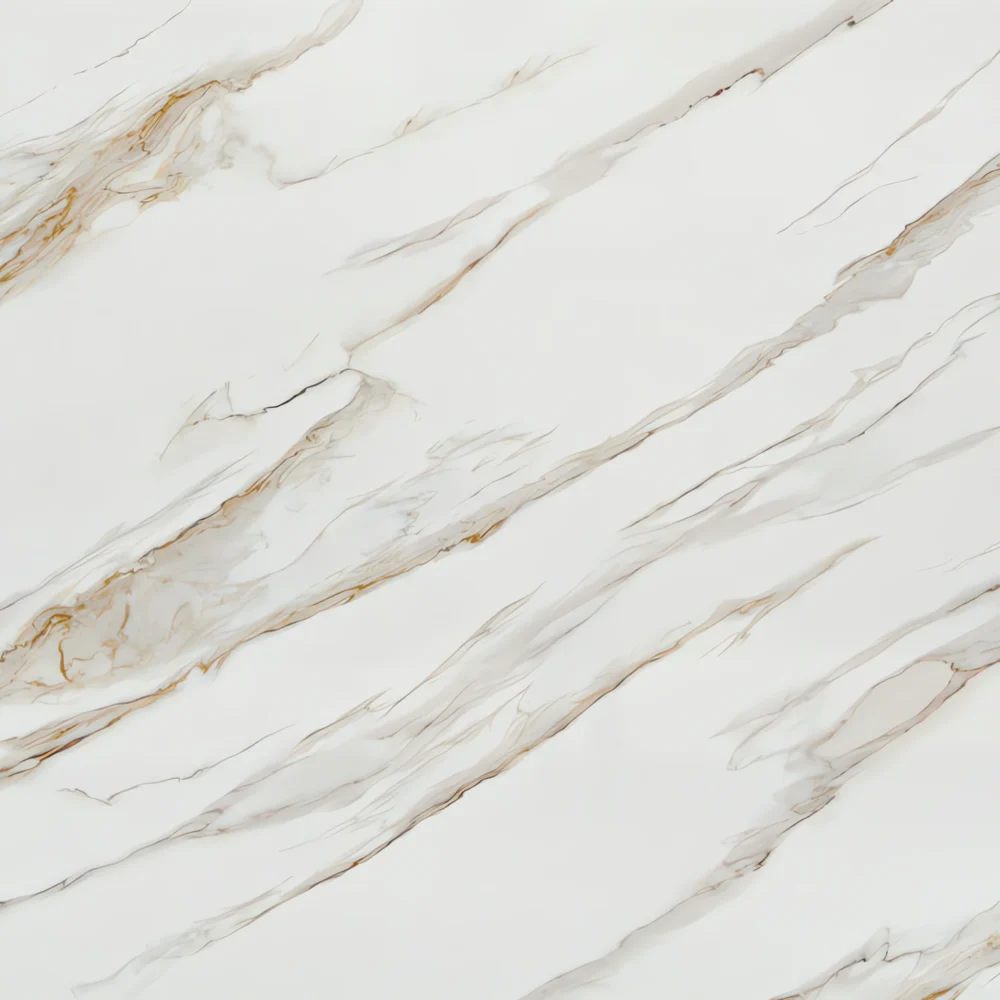
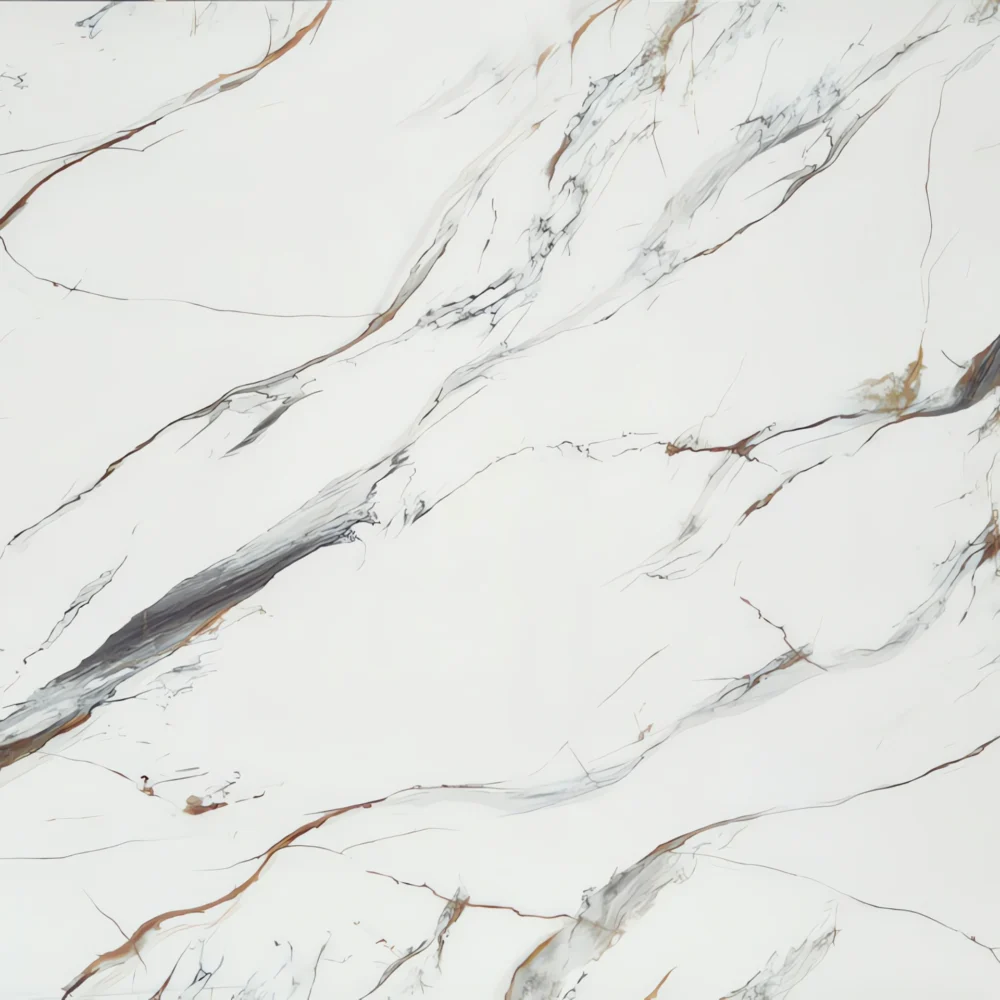
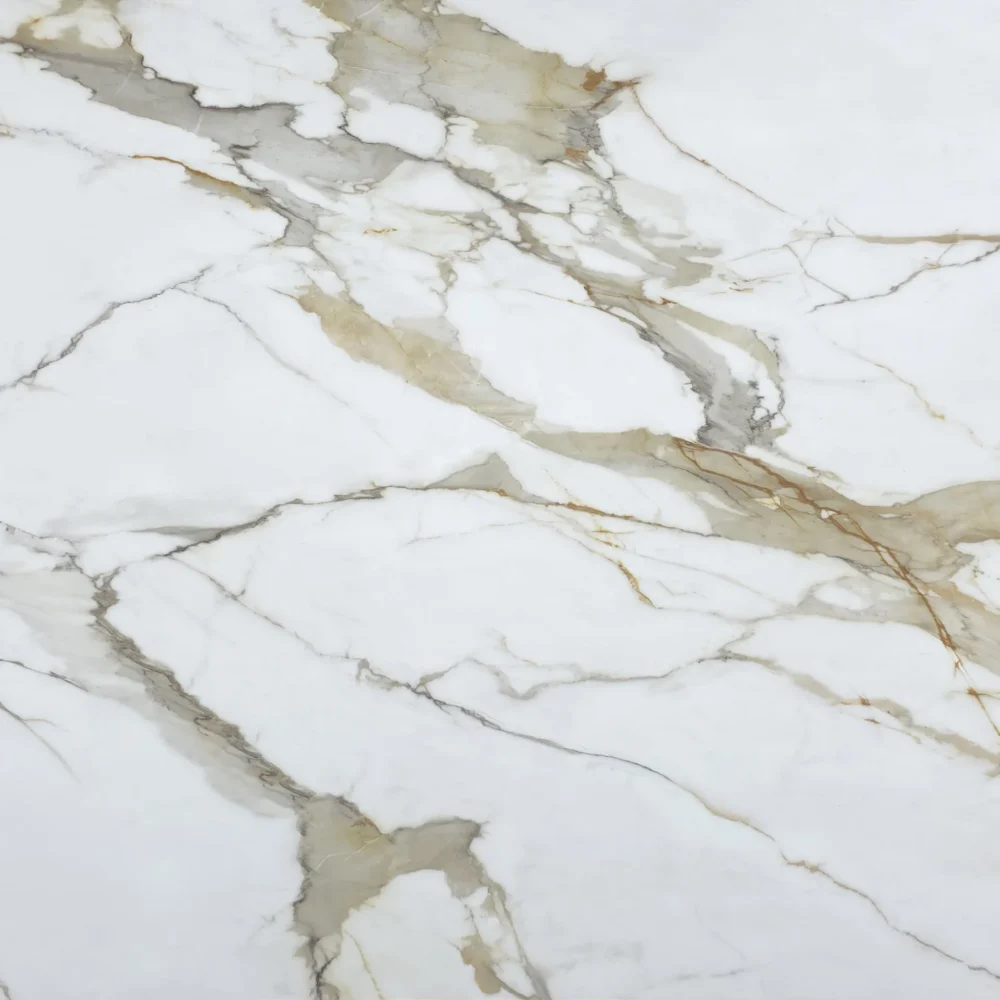
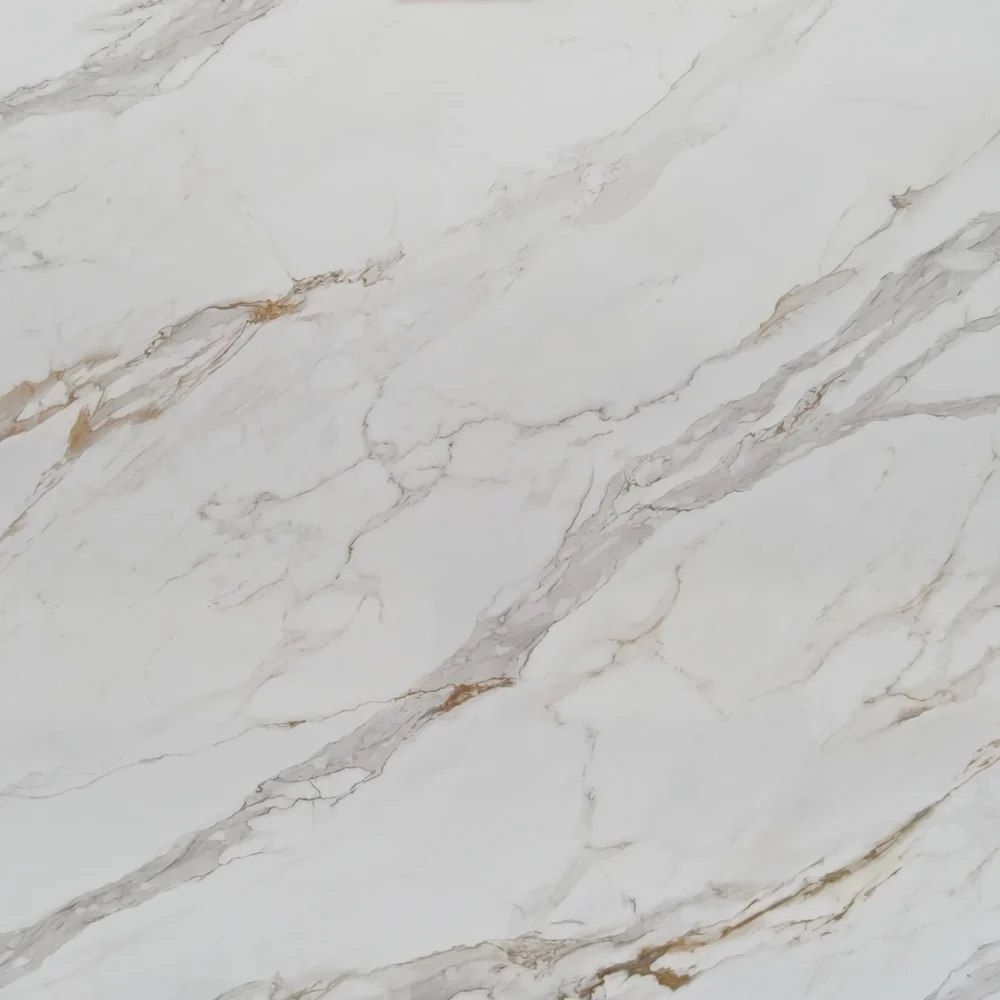
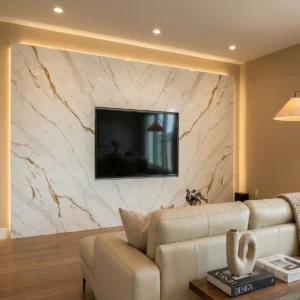
| Primary Color(s) | Cool Light Grey |
| Accent Color(s) | Faint Silver Grey Vein + Subtle White Mosaic |
| Craft | Regular |
| Finishes | Polished / Honed / Suede / Leathered |
| Customized Size | 138″ × 79″ / 126″ × 63″ / Customizable |
| Thickness | 20mm/30mm/Customizable |
| Edge Style | Eased polished edge/2+2cm laminated edge/Mitred edge |
| Full Body Quartz | Yes |
| Bookmatch Available | Yes |
| Place of Origin | Thailand |
| Port of Transportation | Thailand |
| Packaging | Foam or carton inside + strong wooden crates with reinforced straps outside and fumigation |
| Delivery time | 15-20 days / Express service is negotiable. |
| MOQ | 10 ㎡ |
| Payment terms | 30%T/T after confirm the order and the 70% T/T by copy of B/L |
| Countertops Residential: Yes Commercial: Yes |
| Wall Residential: Yes Commercial: Yes |
| Flooring Residential: Yes Commercial: Yes |
Taj Mahal quartz and Taj Mahal quartzite are often confused, but they’re fundamentally different materials. Taj Mahal quartzite is a natural stone—metamorphosed limestone with dramatic white veins and gold undertones. It’s porous, requires sealing, and can etch from acidic substances. Taj Mahal quartz, on the other hand, is engineered stone made of ground quartz and resin. It’s non-porous, doesn’t need sealing, resists stains and scratches better, and has consistent color. The key difference? One is mined, one is manufactured. If you’re looking for durability and low maintenance, quartz wins. But if you want the organic depth and variation of natural stone, quartzite is the pick. Just know that quartzite is more expensive and harder to maintain long-term. For a kitchen with kids or heavy use, engineered quartz is the smarter choice—especially with a similar look. We’ve seen many fabricators switch to quartz dupe versions when Taj Mahal quartzite is out of stock or too costly.
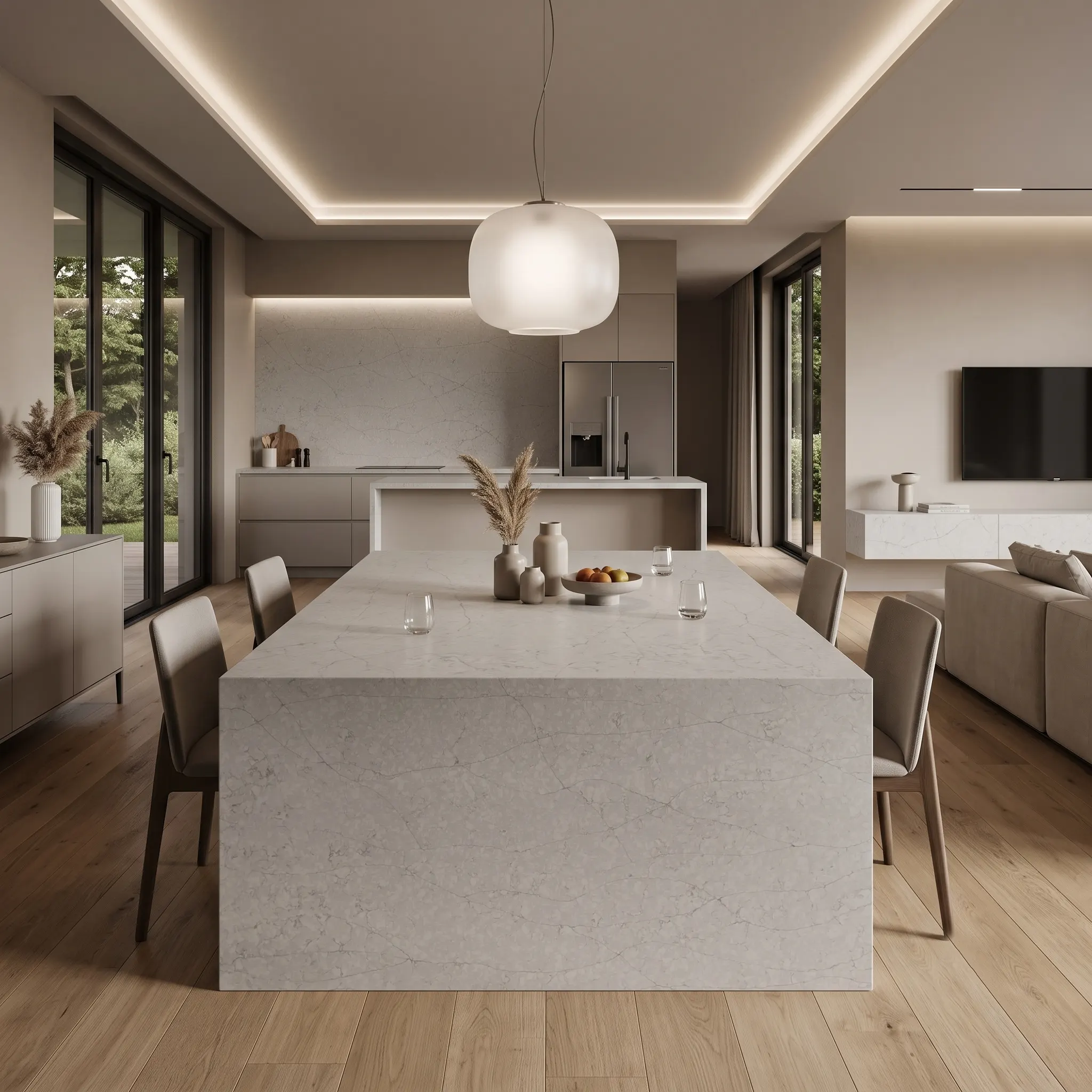
Super jumbo quartz slabs are redefining modern kitchens because they eliminate seams in large runs—especially in islands and waterfall edges. These slabs, often 136” x 77” or larger, allow fabricators to cover expansive surfaces with a single piece, giving the illusion of a continuous, uninterrupted surface. That’s huge for high-end projects where clean lines and minimal joints matter. They’re especially popular in open-concept kitchens and luxury homes where visual flow is key. But it’s not just about looks—it’s about performance. Fewer seams mean less chance of moisture buildup and easier cleaning. Plus, they’re engineered to resist scratches, stains, and heat better than natural stone. However, they’re not without drawbacks: they’re heavier, harder to handle, and more expensive. Installation requires precision—any misalignment or uneven cut will stand out. Still, for designers and homeowners who want a bold, minimalist aesthetic with zero compromise on quality, super jumbo slabs are the new standard. They’re pushing the boundaries of what’s possible in modern countertop design.
Your trusted quartz
manufactory since 1989.
Our team is available 24/7.