



- Home
- Quartz
- Quartz Slabs
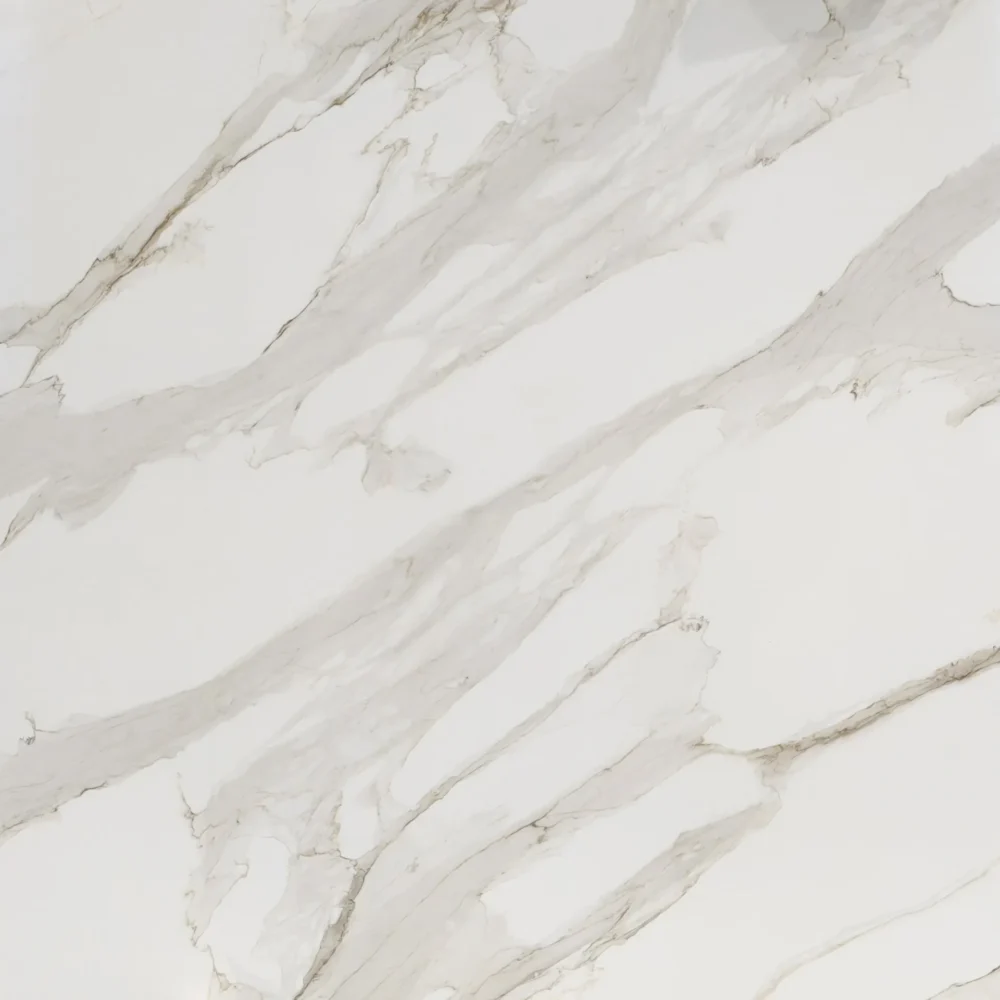
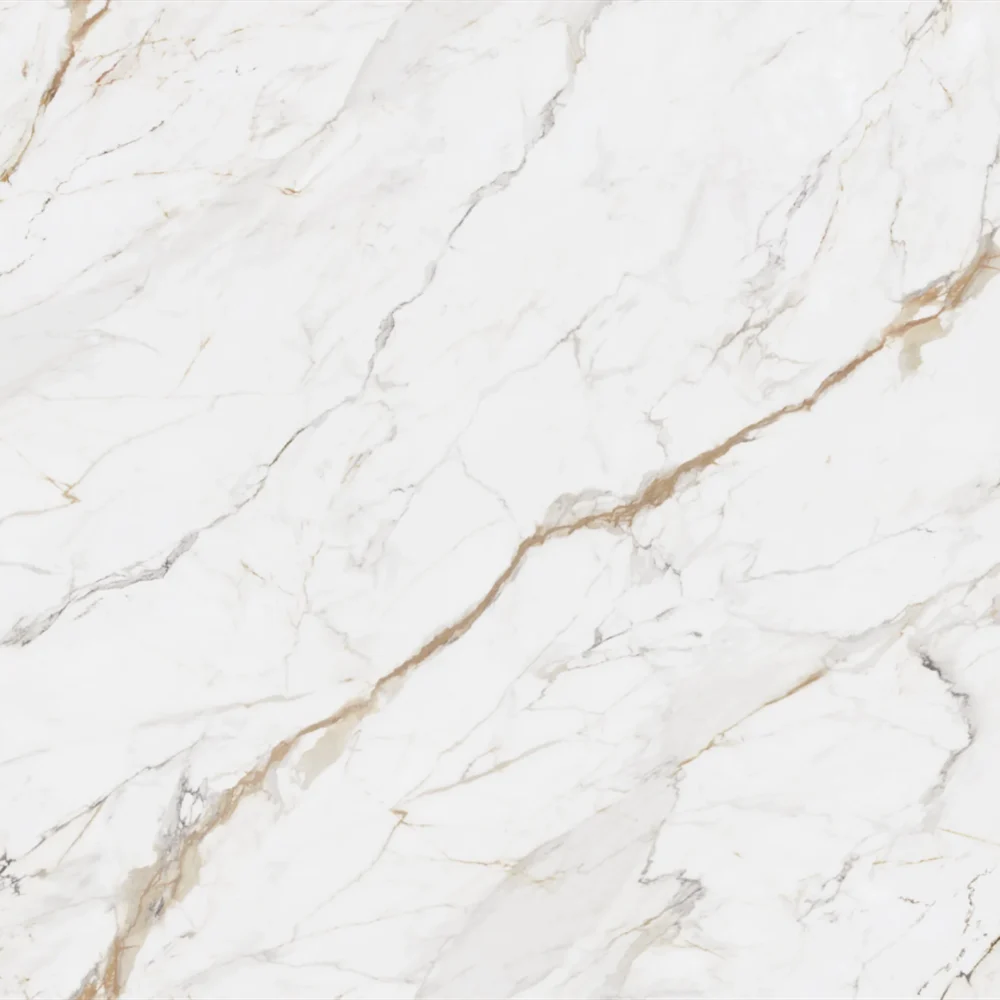
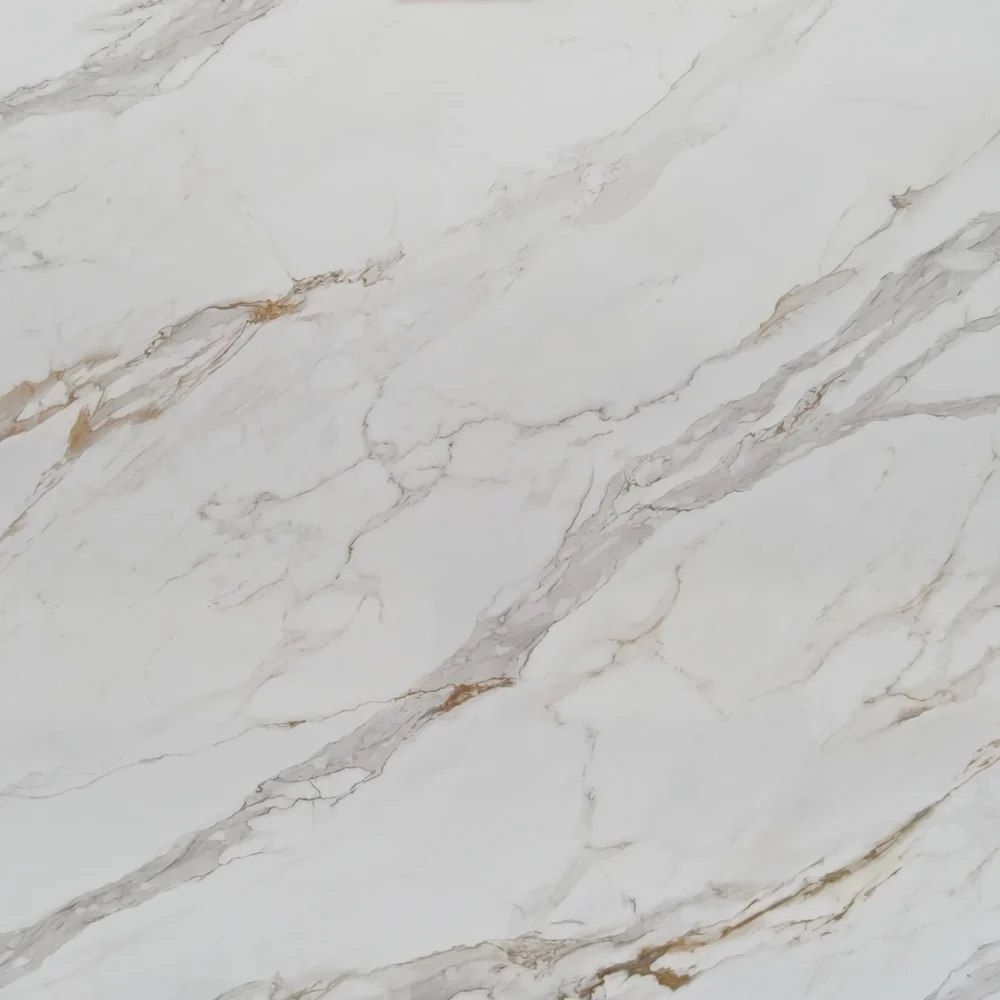
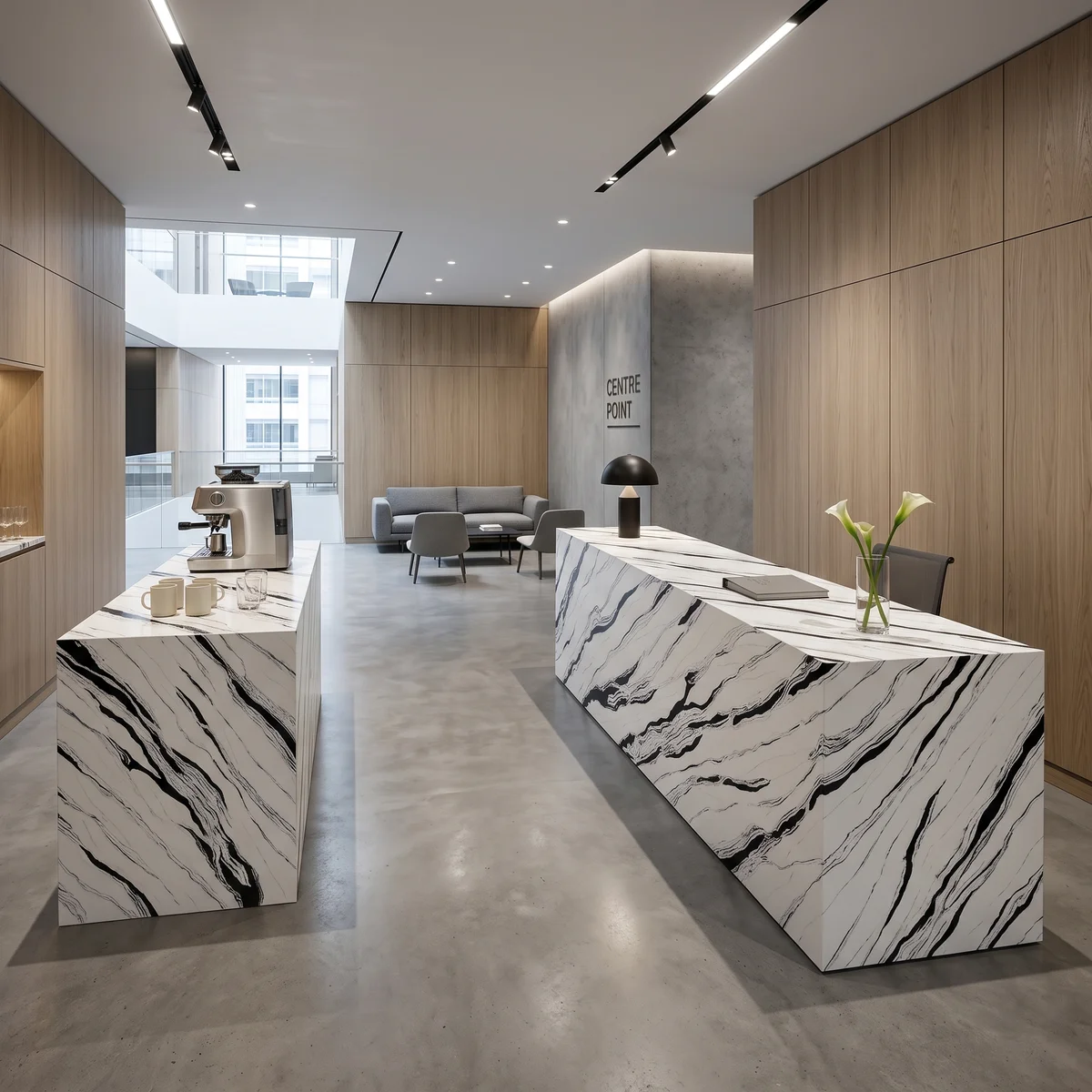
- Zebra Noir Quartz Surface GQ-T408 for Wholesale
Zebra Noir Quartz Surface GQ-T408 for Wholesale
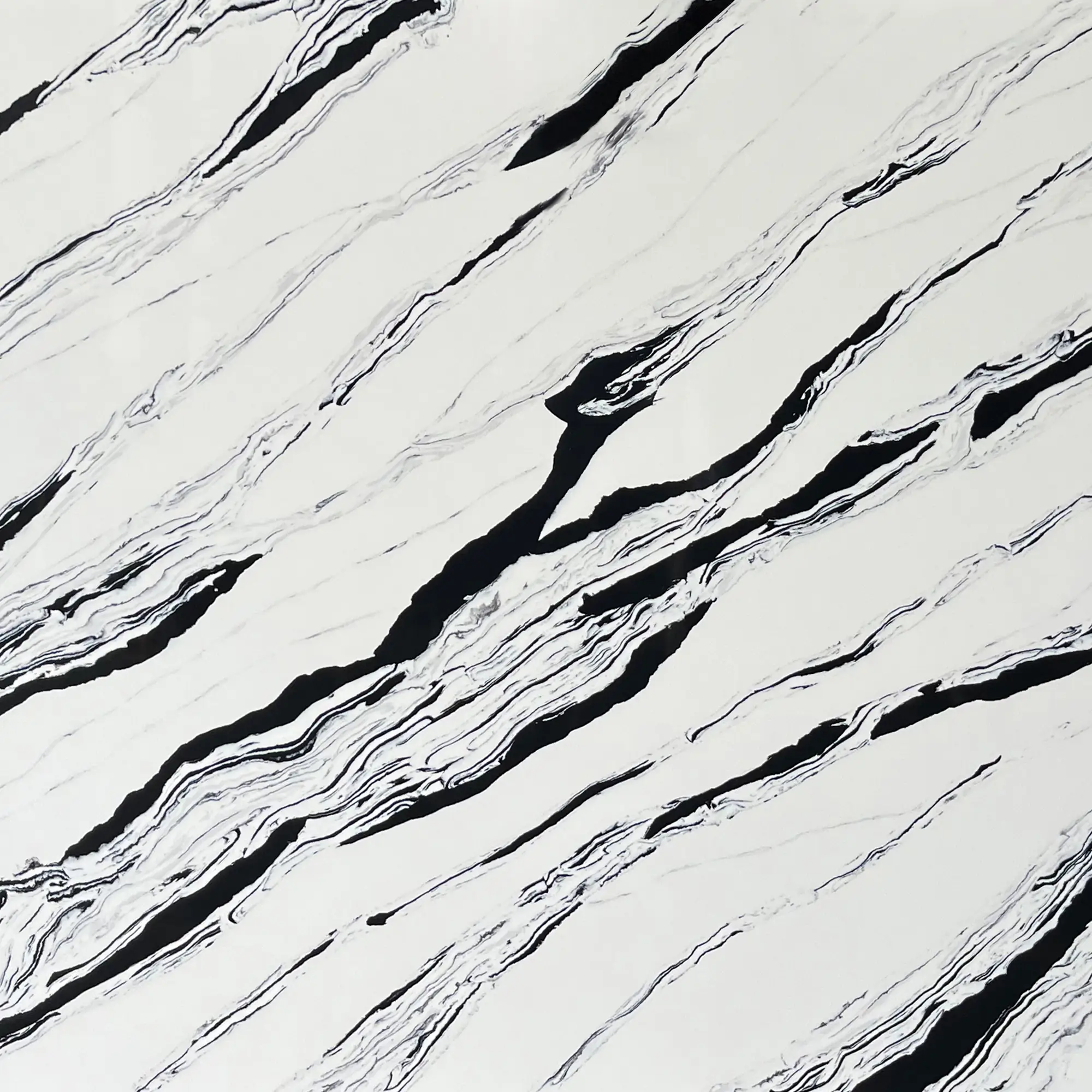
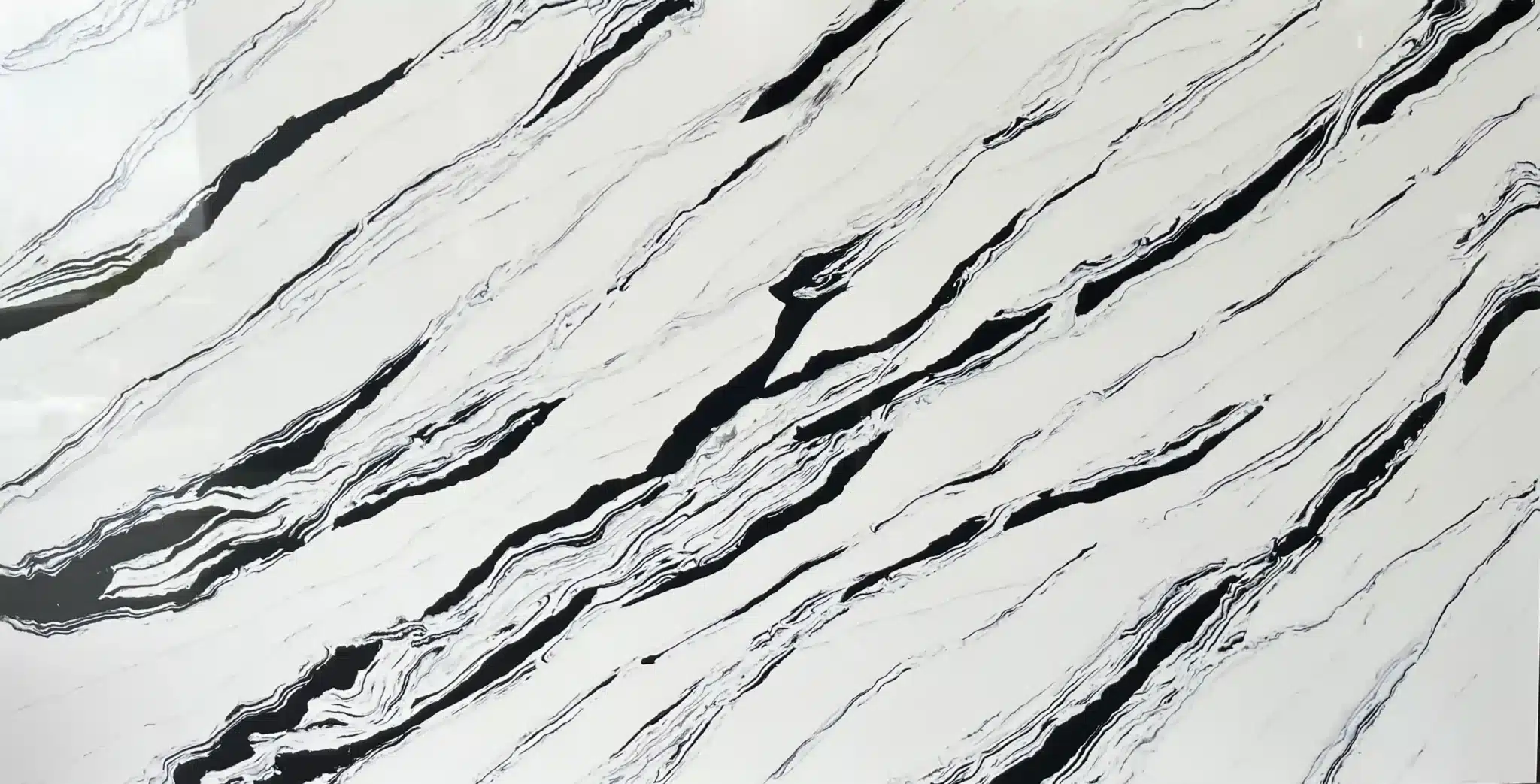
| Primary Color(s) | Bright Pure White |
| Accent Color(s) | Bold Jet Black Linear Vein + Silver Shimmer |
| Craft | Regular |
| Finishes | Polished / Honed / Suede / Leathered |
| Customized Size | 138″ × 79″ / 126″ × 63″ / Customizable |
| Thickness | 20mm/30mm/Customizable |
| Edge Style | Eased polished edge/2+2cm laminated edge/Mitred edge |
| Full Body Quartz | Yes |
| Bookmatch Available | Yes |
| Place of Origin | Thailand |
| Port of Transportation | Thailand |
| Packaging | Foam or carton inside + strong wooden crates with reinforced straps outside and fumigation |
| Delivery time | 15-20 days / Express service is negotiable. |
| MOQ | 10 ㎡ |
| Payment terms | 30%T/T after confirm the order and the 70% T/T by copy of B/L |
| Countertops Residential: Yes Commercial: Yes |
| Wall Residential: Yes Commercial: Yes |
| Flooring Residential: Yes Commercial: Yes |
Description:
Frequently asked questions
What the hell do I do with green countertops?
Green countertops are tricky—either they’re a bold statement or they look like a cheap kitchen from the ’90s if not handled right. If you’re stuck with them, don’t panic. First, consider the shade: deep forest greens or emerald tones can work in modern or rustic spaces with dark cabinets and brass fixtures. But if it’s a bright, garish green? That’s tough. You’ve got a few options. One: paint the cabinets in a warm gray or deep navy to ground the color. Two: use dark wood or black hardware to balance it. Three: go full-on mid-century modern—pair with walnut cabinets, retro lighting, and brass accents. Or just embrace the boldness: green with white oak, black appliances, and a matte black backsplash can actually feel very intentional. The key is contrast. Avoid light grays or beige—those will make green pop too much.
What are the cons of black countertops?
Black countertops? They’re dramatic and sleek, but there’s a trade-off. The biggest issue? Visibility. Dust, crumbs, fingerprints, and water spots show up like a spotlight on a stage. You’ll need to wipe them down daily if you want them to look clean. In kitchens with kids or pets, it’s a constant battle. Another downside: they absorb heat. A hot pan can leave a temporary shadow, and if you’re using a gas stove, the grime buildup around burners is harder to hide. They also make the kitchen feel smaller and darker—especially if you have limited natural light. If your cabinets are dark too, it can feel cavernous. And while black quartz is durable, the seams are more visible on dark surfaces, especially in high-contrast settings. Not everyone likes that look. So unless you’re going for a moody, modern, or industrial vibe, and you’re ready to clean obsessively, consider a softer gray or charcoal instead. Black is bold—only go if you’re committed.
Opinions on darker charcoal countertops?
Darker charcoal countertops? They’re a solid choice if you’re going for a modern, sophisticated kitchen. They’re deeper than black but not as stark, so they can feel more inviting. They pair well with white, light gray, or even warm wood cabinets—especially if you have good lighting. The downside? Like black, they show dust, water spots, and smudges. But not as much as pure black. They also work better in kitchens with good overhead lighting or under-cabinet LEDs—otherwise, they can make the space feel heavy. The best part? They’re more forgiving than black when it comes to seams. And they look great with brushed nickel or matte black fixtures. If you’re worried about them looking too dark, balance them with lighter backsplashes—white subway tile, light stone, or even a subtle pattern. They’re not for every home, but if you’re going for a sleek, contemporary look, charcoal quartz is a smart, stylish option. Just be ready to clean regularly.