



- Home
- Quartz
- Quartz Slabs
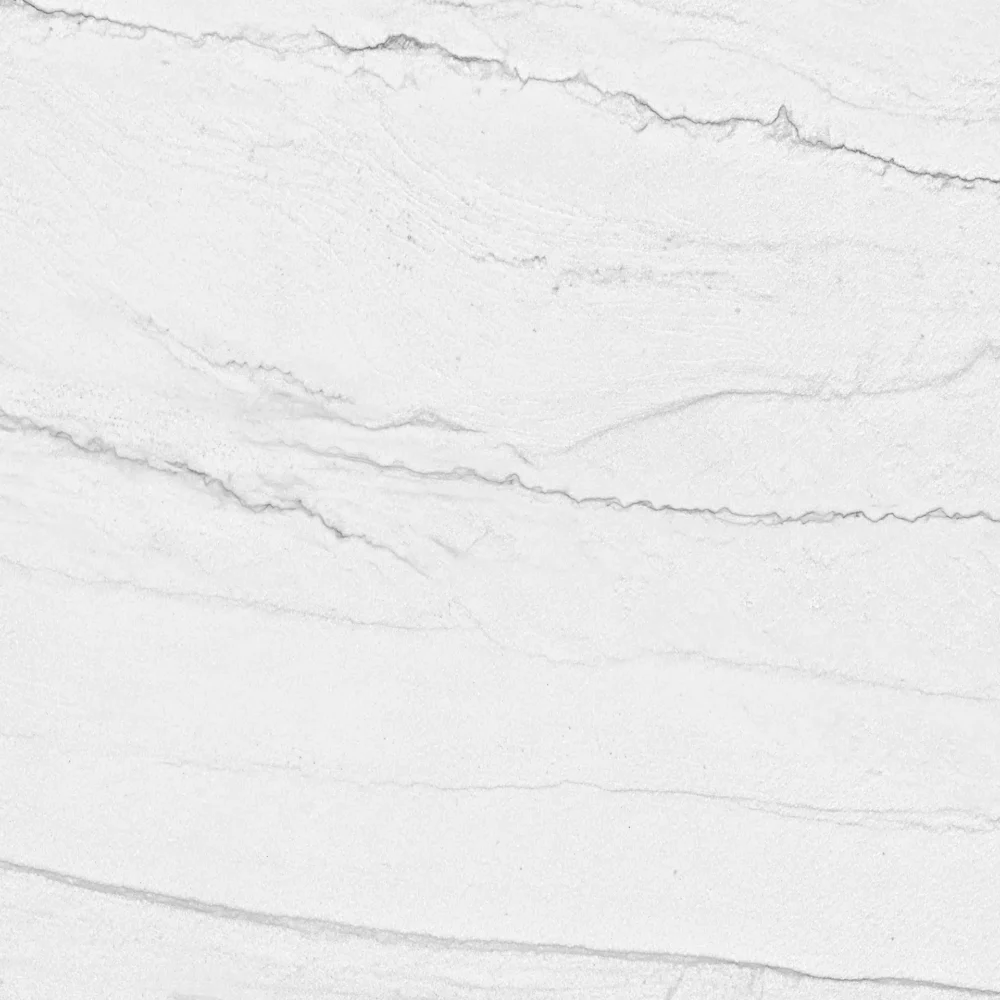
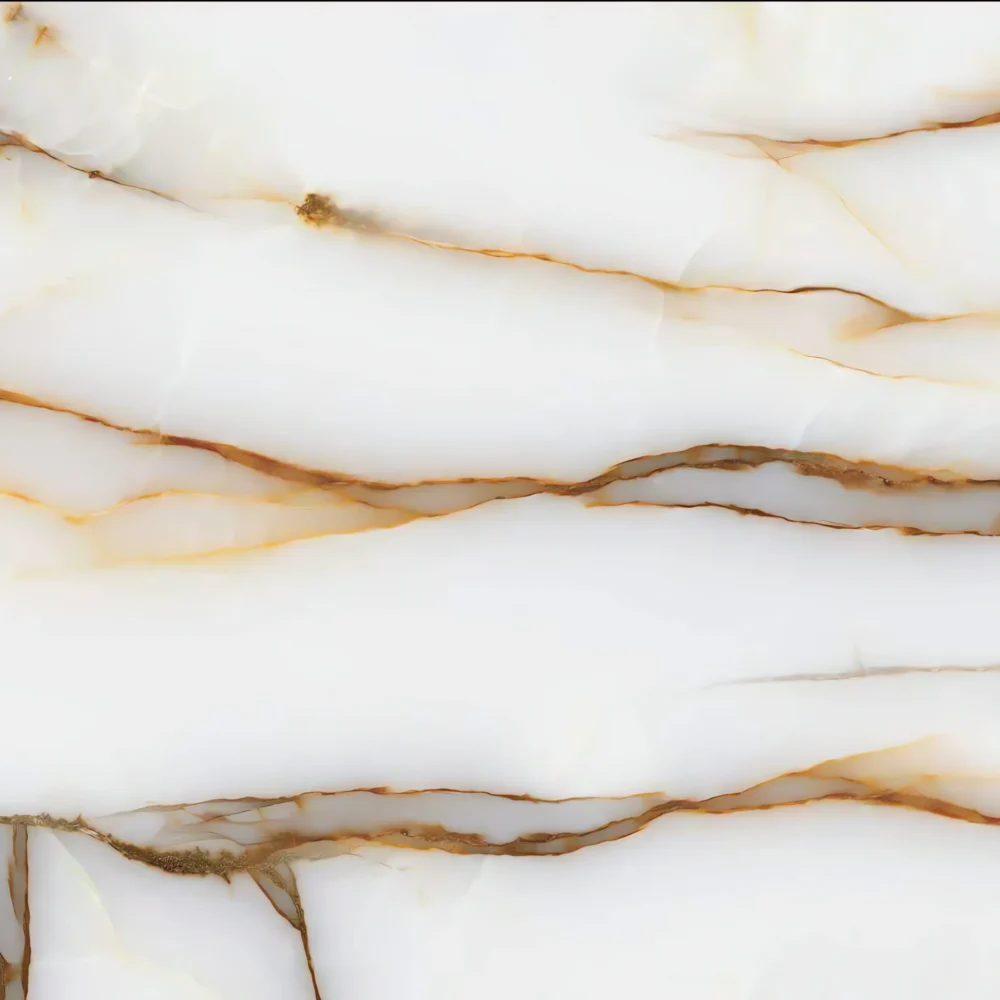
- Golden Fleck White Quartz GQ-T293 for Wholesale
Golden Fleck White Quartz GQ-T293 for Wholesale
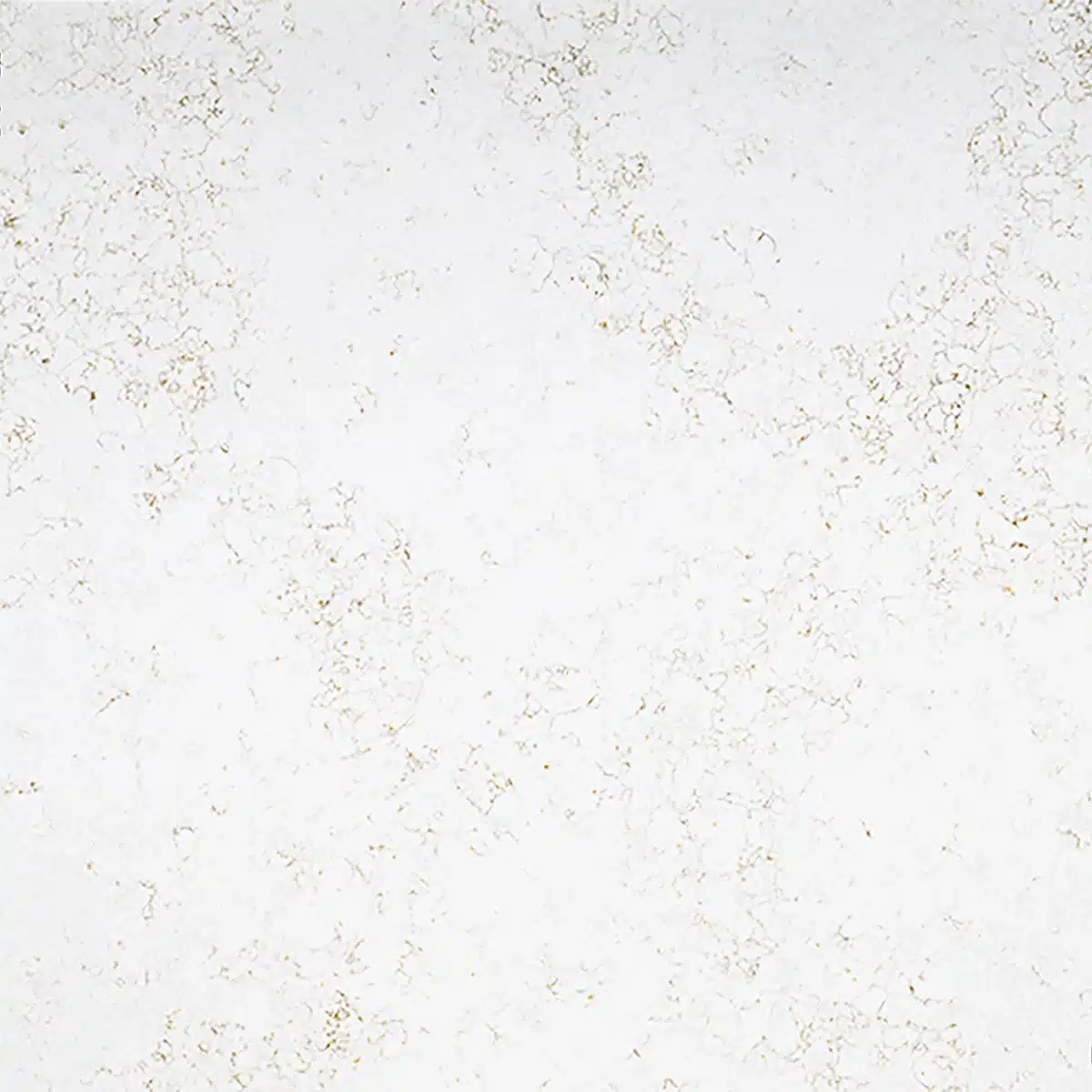
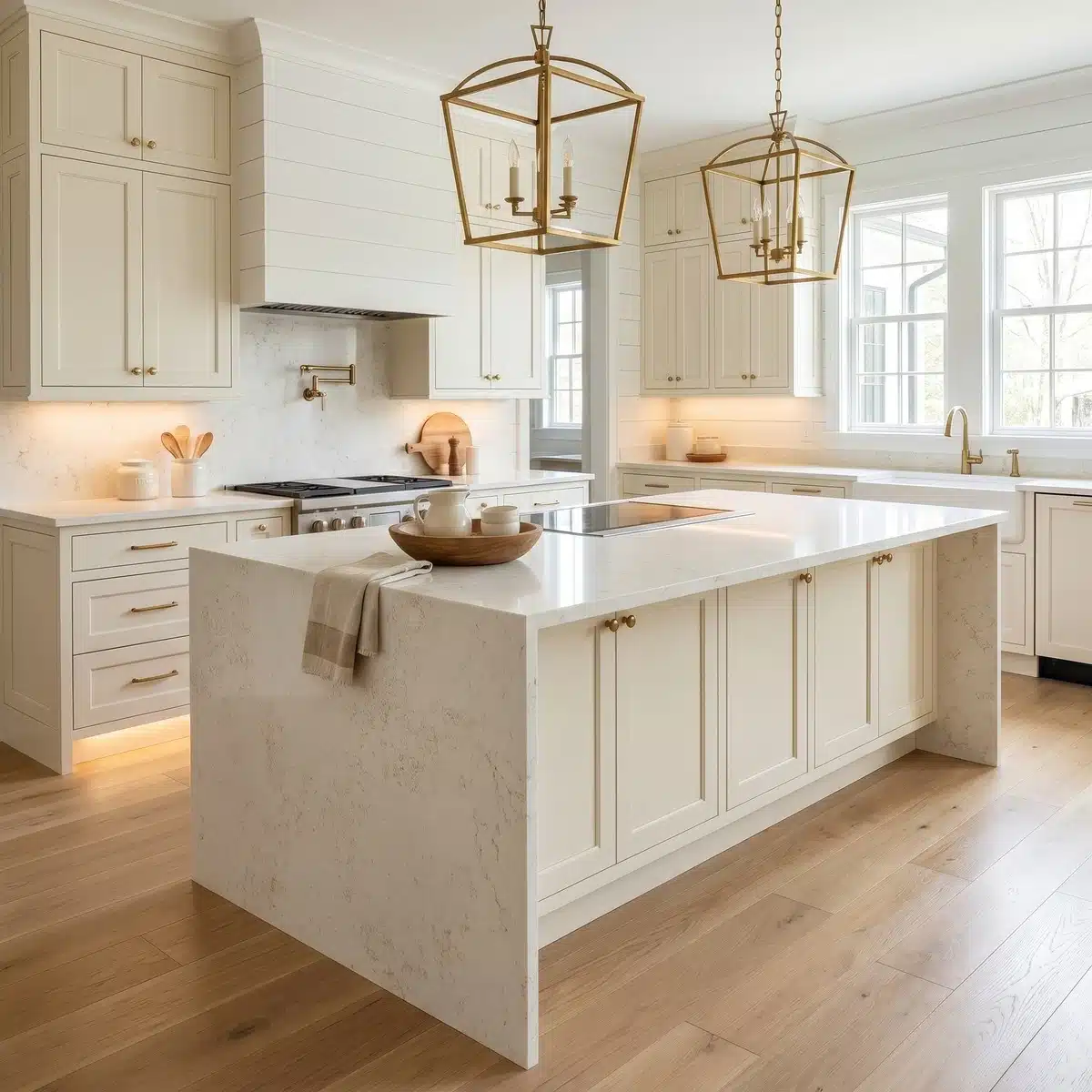
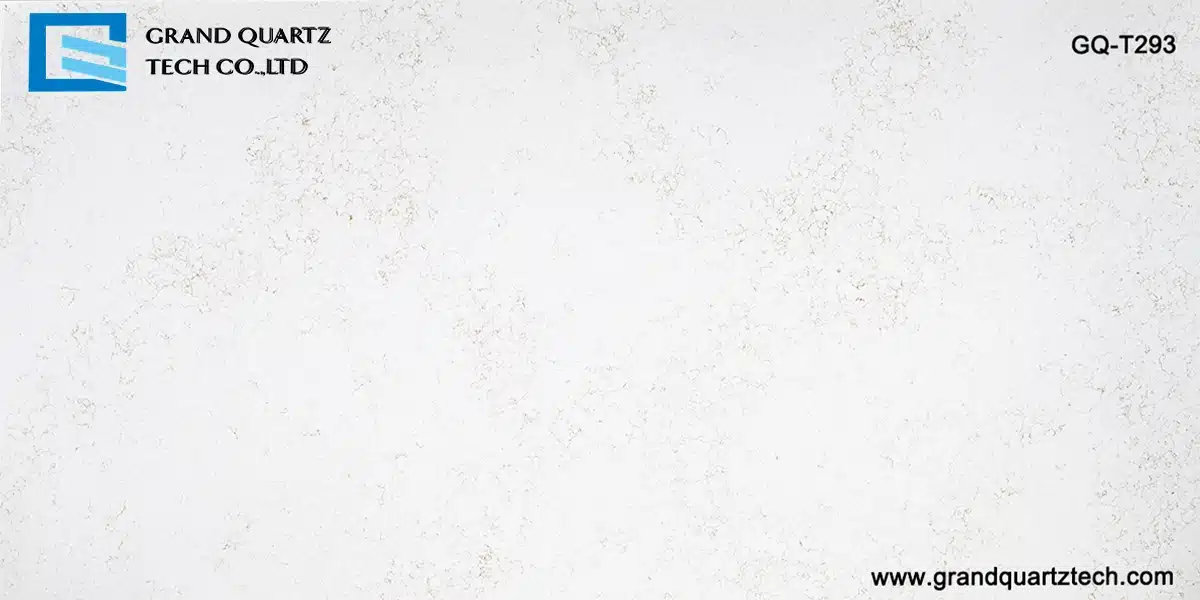
| Primary Color(s) | Pure White |
| Accent Color(s) | Delicate Light Tan Spider-Web Veining |
| Craft | Regular |
| Finishes | Polished / Honed / Suede / Leathered |
| Customized Size | 138″ × 79″ / 126″ × 63″ / Customizable |
| Thickness | 20mm/30mm/Customizable |
| Edge Style | Eased polished edge/2+2cm laminated edge/Mitred edge |
| Full Body Quartz | Yes |
| Bookmatch Available | Yes |
| Place of Origin | Thailand |
| Port of Transportation | Thailand |
| Packaging | Foam or carton inside + strong wooden crates with reinforced straps outside and fumigation |
| Delivery time | 15-20 days / Express service is negotiable. |
| MOQ | 10 ㎡ |
| Payment terms | 30%T/T after confirm the order and the 70% T/T by copy of B/L |
| Countertops Residential: Yes Commercial: Yes |
| Wall Residential: Yes Commercial: Yes |
| Flooring Residential: Yes Commercial: Yes |
Description:
Frequently asked questions
What is quartz with gold veins in it?
Quartz with gold veins is engineered quartz—no natural stone has consistent, bold gold veining like you see in slabs.
What looks like gold is pigment or UV-cured resin printed into the surface during manufacturing, often using full-body printed quartz technology so the pattern runs through the slab thickness.
It’s not metal, so no conductivity, tarnishing, or weight difference.
In real-world kitchens, that 'gold' can show smudges more on polished finishes, especially under direct lighting or in high-humidity bathrooms.
Most fabricators will tell you the visual impact depends heavily on how well the print aligns across seams—busy patterns like this telegraph seam lines more than solid colors.
Bookmatched installations need tighter tolerance, and some batches vary in vein intensity.
Grand Quartz Tech uses precision digital printing on their jumbo slabs to keep variation low, but installers still recommend dry-laying large pieces before cutting.
If you’re specifying for a commercial lobby or boutique hotel, ask for a physical sample under your job-site lighting—what reads warm in daylight can look brassy under LED.
How much is quartz with gold in it worth?
It depends on slab size, finish, project volume, and fabrication scope—not on any gold content, because there isn’t any.
The cost comes from print complexity, consistency demands, and yield loss during cutting.
Polished gold-veined slabs usually run higher than honed versions because the shine amplifies pigment depth and reveals more variation.
Freight and duties also play a role: slabs made in Thailand (like Grand Quartz Tech’s) may carry different landed costs than regionally produced alternatives, especially for jumbo sizes.
For mid-size commercial jobs, pricing usually scales with order volume and lead time—if you lock in early and take standard sizes, you’ll see better alignment between quote and final invoice.
But don’t assume ‘gold’ means automatic markup: some lines use simpler pigment blends that cost less than intricate vein simulations.
Always confirm whether the price includes templating, edge profiles, and seam placement labor—those often get unbundled on larger projects.
Are quartz and engineered quartz the same?
Yes—every quartz countertop sold in the US market is engineered quartz.
There’s no such thing as a 'natural quartz' slab for countertops.
What you’re buying is ~93% ground quartz crystal bound with polymer resin and pigments.
That mix gives it density, consistency, and resistance to staining—but also makes it vulnerable to thermal shock if you set hot pans directly on it, especially near seams or cutouts.
Some folks confuse it with quartzite, which *is* natural stone and needs sealing.
Engineered quartz doesn’t seal, but it *does* require proper support during installation—2cm slabs over unsupported spans can flex and crack.
In high-traffic commercial spaces, we’ve seen resin breakdown at sink cutouts where constant water exposure meets poor sub-top ventilation.
Grand Quartz Tech runs low-silica production lines, which matters for shop air quality during fabrication, but doesn’t change the material’s fundamental behavior.
Bottom line: if the spec sheet says 'quartz,' it’s engineered.
Just check whether the manufacturer discloses resin type, UV resistance, and NSF certification—those affect real-world performance.
r/Prospecting - Is this gold in the quartz?
No.
Any gold-looking vein in a countertop slab is pigment, not elemental gold.
Real gold in quartz occurs in nature as microscopic flakes or stringers inside hydrothermal veins—never as wide, uniform, repeating patterns.
If you’re holding a slab and wondering, scratch an inconspicuous edge with a carbide-tipped tool: engineered quartz shows consistent color all the way through; real gold would flake, crumble, or leave a metallic streak.
Pyrite (fool’s gold) is brittle and leaves a greenish-black streak; hematite is denser and gray.
In fabrication shops, we sometimes see confusion when resin additives oxidize over time—especially in poorly cured batches—creating yellowish tints that get mistaken for 'gold migration.' That’s not metal leaching—it’s UV degradation or heat exposure breaking down the binder.
Grand Quartz Tech slabs are SGS-tested for color stability, but even then, prolonged direct sun on light-colored gold-veined slabs can shift tone slightly over years.
So unless you’re panning a creek bed, put the geology hammer away—this 'gold' is just very good printing.