



- Home
- Quartz
- Quartz Slabs
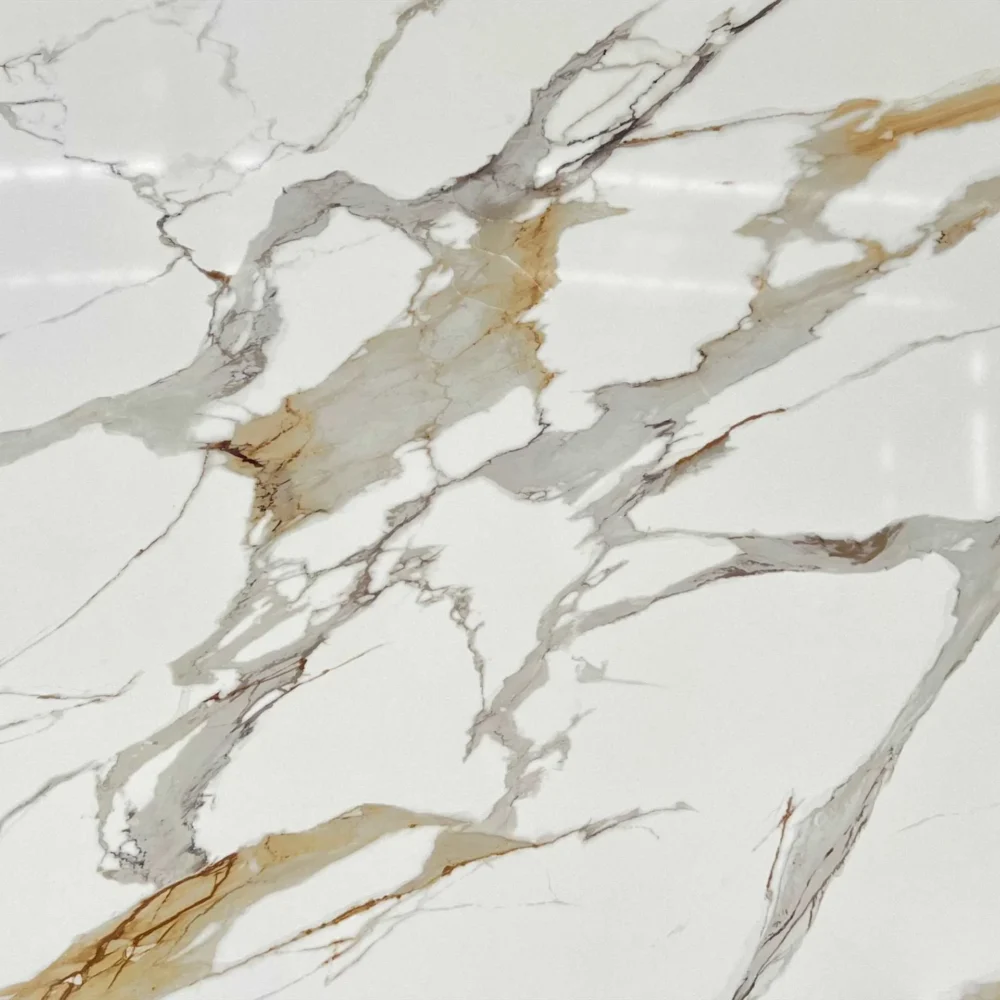
- London Grey Calacatta Quartz GQ-T373 for Wholesale
London Grey Calacatta Quartz GQ-T373 for Wholesale
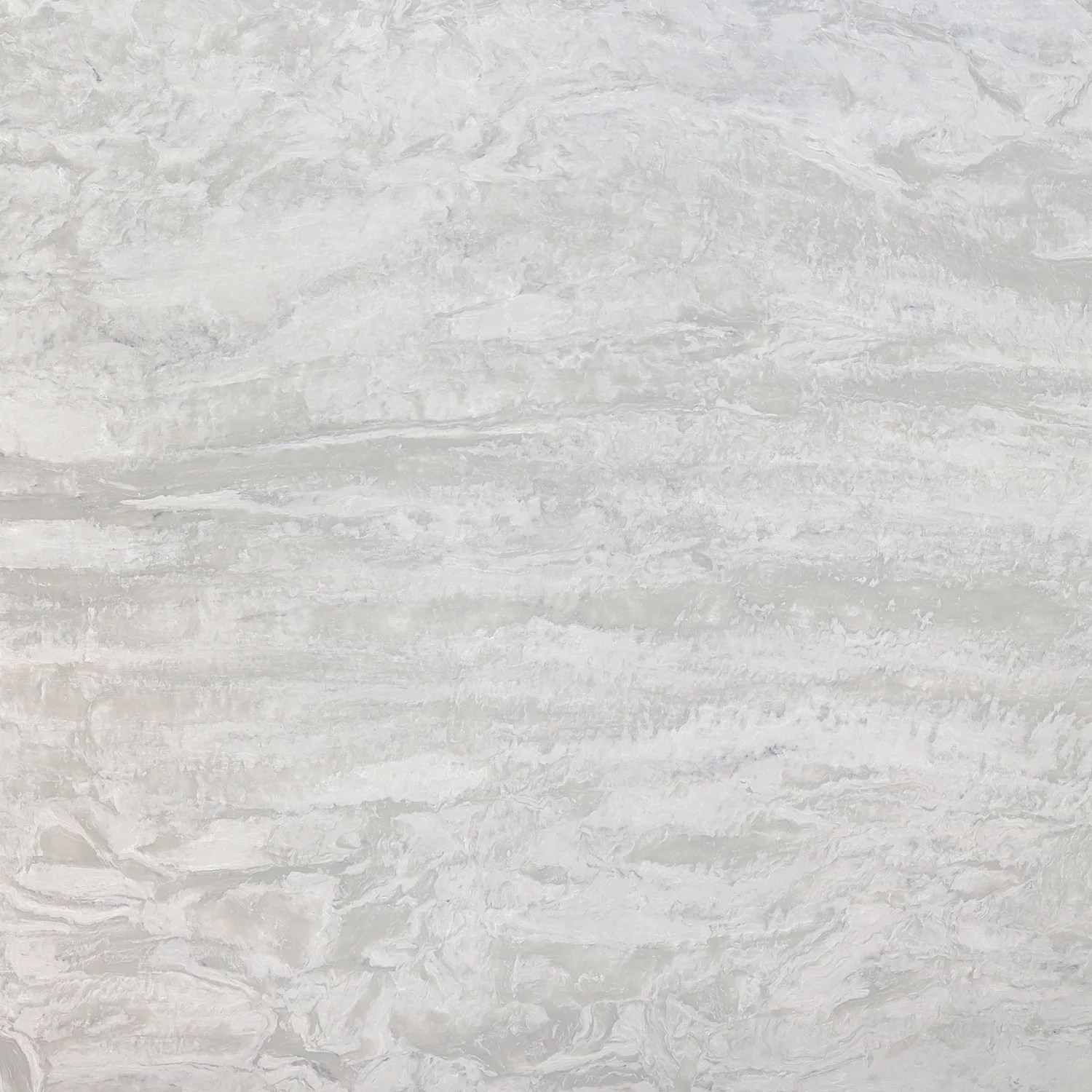
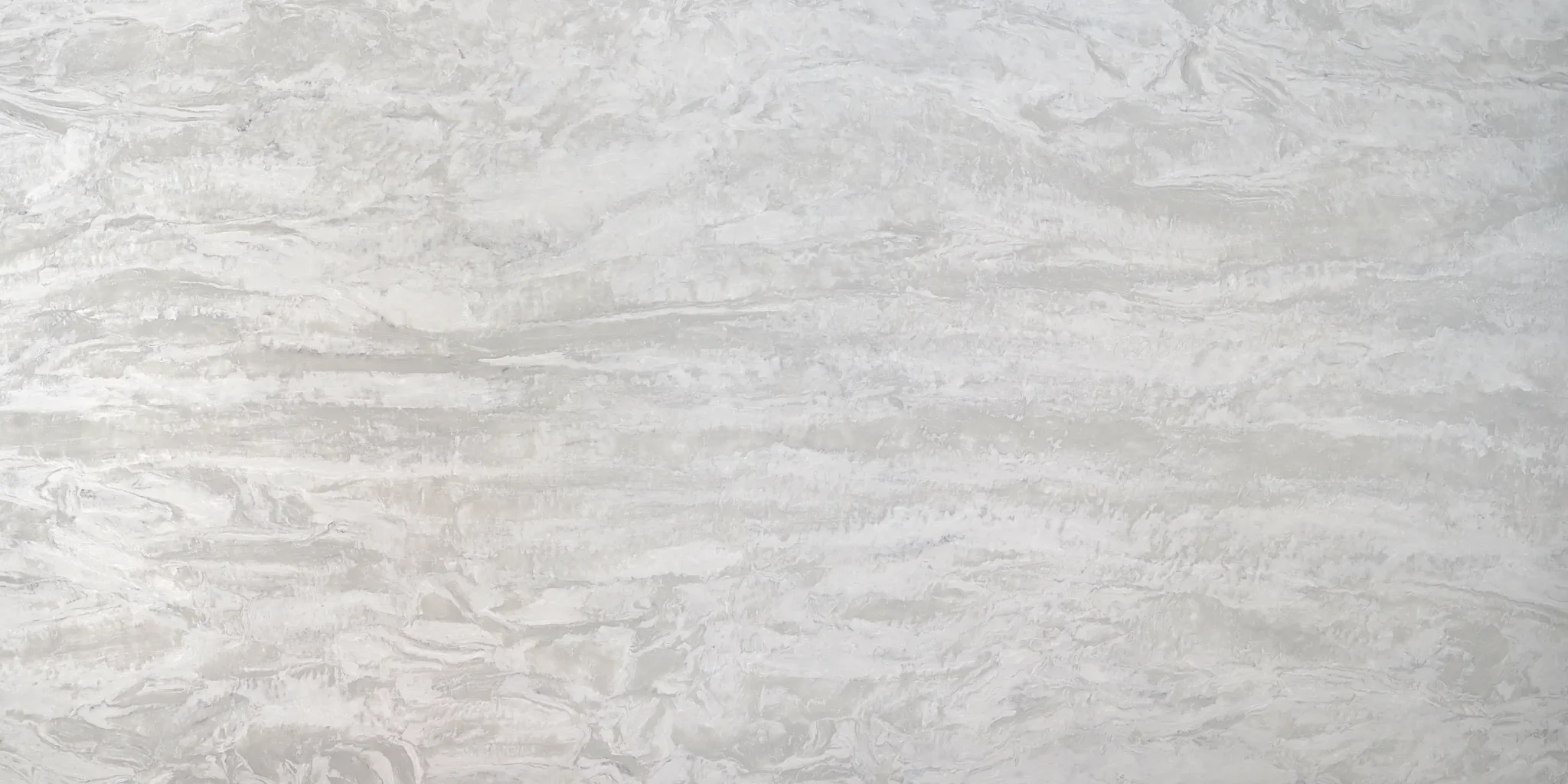
| Primary Color(s) | Pale Ash Gray |
| Accent Color(s) | Subtle Slate Gray Swirls + Soft Charcoal Veining |
| Craft | Regular |
| Finishes | Polished / Honed / Suede / Leathered |
| Customized Size | 138″ × 79″ / 126″ × 63″ / Customizable |
| Thickness | 20mm/30mm/Customizable |
| Edge Style | Eased polished edge/2+2cm laminated edge/Mitred edge |
| Full Body Quartz | Yes |
| Bookmatch Available | Yes |
| Place of Origin | Thailand |
| Port of Transportation | Thailand |
| Packaging | Foam or carton inside + strong wooden crates with reinforced straps outside and fumigation |
| Delivery time | 15-20 days / Express service is negotiable. |
| MOQ | 10 ㎡ |
| Payment terms | 30%T/T after confirm the order and the 70% T/T by copy of B/L |
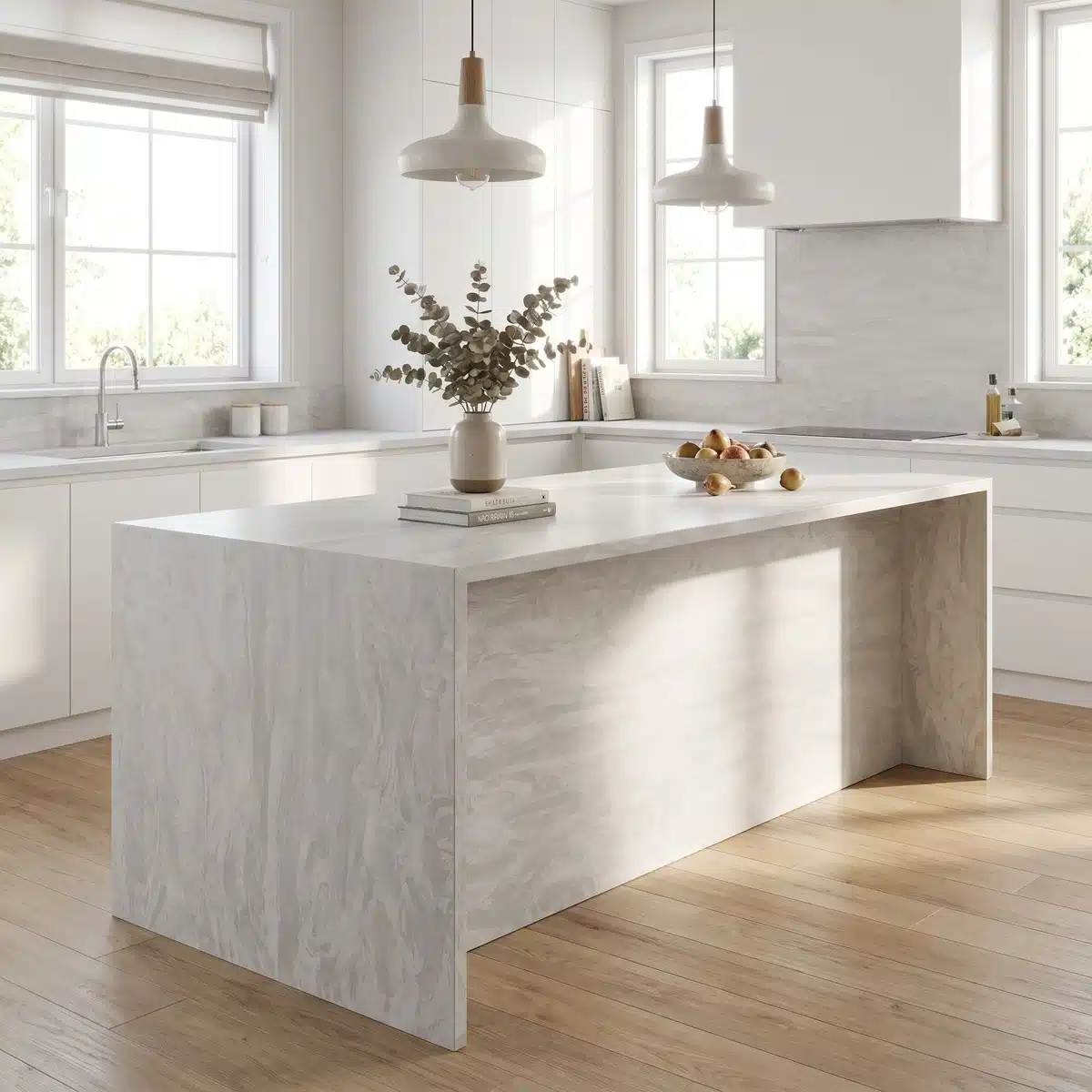
| Countertops Residential: Yes Commercial: Yes |
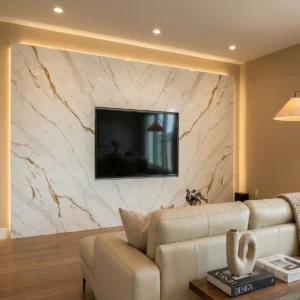
| Wall Residential: Yes Commercial: Yes |
| Flooring Residential: Yes Commercial: Yes |
Description:
Frequently asked questions
Quartz or Engineered Stone: Which is Better?
They’re the same thing—just different names for the same product. ‘Engineered stone’ is what we say in the shop when ordering slabs or writing specs; ‘quartz’ is what designers and clients usually ask for.
Both describe a composite of ~93% ground quartz crystals bound with polymer resins and pigments.
There’s no performance difference between the terms—only in how they’re marketed.
What actually matters is slab consistency, resin quality, and how well it’s fabricated.
Some manufacturers push higher quartz content and tighter particle gradation, which helps with thermal shock resistance and edge durability.
Others use more filler or lower-grade resin, and those slabs can yellow faster under UV or chip more easily during fabrication.
Most fabricators will tell you the biggest variable isn’t the label—it’s whether the slab runs true, holds polish, and machines cleanly on CNC.
Grand Quartz Tech uses full-body printed quartz technology, so pattern depth and consistency hold up even after edge profiling or sink cutouts.
But even then, your fabricator’s skill and attention to seam placement matter more than the name on the box.
What is the difference between engineered quartz and natural quartz?
Natural quartz is a mineral—hard, crystalline, and found in granite, sandstone, and veins in bedrock.
You can’t make countertops out of raw quartz crystals.
What we call ‘quartz countertops’ are always engineered: ground natural quartz (90–95%) mixed with resins and pigments, pressed and cured into slabs.
That process creates uniformity, density, and workability—none of which exist in raw quartz.
Natural quartz would be brittle, inconsistent in color and hardness, and impossible to polish evenly.
In real-world kitchens, engineered quartz gives you predictable behavior: it machines cleanly, holds edges well, and doesn’t require sealing.
But it’s not indestructible—thermal shock from hot pans can crack seams, and low-silica resin lines (like GQ’s) reduce dust during fabrication but may behave differently under prolonged UV exposure.
So while engineered quartz improves on nature’s limitations, it introduces its own tradeoffs: resin-dependent durability, finish sensitivity, and seam visibility on busy patterns.
Don’t mistake ‘natural’ for ‘better’—it’s just not practical for countertops.
Does engineered quartz stain easily?
No—but that depends on the resin system and how it’s maintained.
Engineered quartz is non-porous, so wine, coffee, or oil won’t soak in like they do on marble or concrete.
But acidic spills—lemon juice, vinegar, tomato sauce—can etch polished surfaces over time, especially on lighter colors or high-gloss finishes.
Smudges and surface haze show up fast on dark polished slabs, and that’s not staining—it’s residue buildup in micro-scratches.
Harsh cleaners, bleach, or abrasive pads dull the finish faster than they cause actual stains.
In high-traffic commercial spaces, we see more finish wear than staining—especially around sinks and prep areas.
Fabricators usually recommend honed or matte finishes for heavy-use zones because they hide wear better.
Grand Quartz Tech slabs are NSF and SGS certified, meaning their resin systems meet strict food-safe and durability standards—but even certified slabs need proper cleaning.
Wipe spills quickly, avoid dragging cast iron pans across the surface, and skip ammonia-based cleaners.
Staining is rare; finish degradation is common—and often mistaken for staining.
What Are Quartz Countertops Made Of? Composition ?
Engineered quartz is roughly 90–95% ground natural quartz—sourced, crushed, and graded by particle size—bound with 5–10% polymer resins and pigments.
The quartz itself comes from quarries worldwide, but the resin type, ratio, and mixing process define how the slab behaves.
Polyester resin is common and cost-effective, but epoxy or hybrid systems handle heat and UV better—critical for outdoor applications or sun-drenched retail spaces.
Pigments create everything from solid neutrals to marble-like veining, and full-body printed tech (like GQ’s) ensures pattern continuity through the slab thickness—not just on the surface.
During pressing, vacuum vibration and high pressure compact the mix, then heat cures the resin.
Slab thickness (2cm vs 3cm), finish (polished, honed, leathered), and edge profile all affect how the material responds to stress and thermal cycling.
In practice, two slabs with identical quartz percentages can behave very differently based on resin quality and manufacturing control.
That’s why lead time and batch consistency matter—especially on large projects where bookmatching or seam alignment is critical.
It’s not just what’s in it—it’s how it’s made.
-1000x1000.webp)