



- Home
- Quartz
- Quartz Slabs
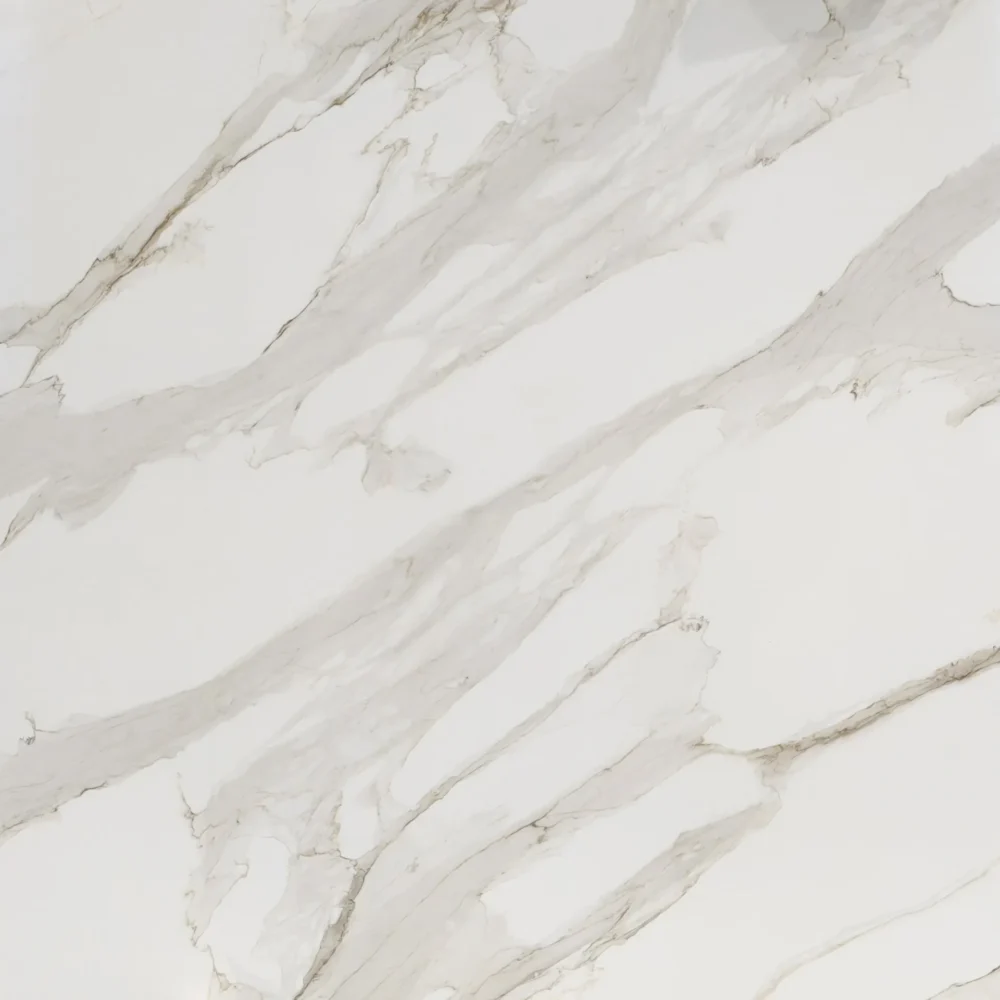
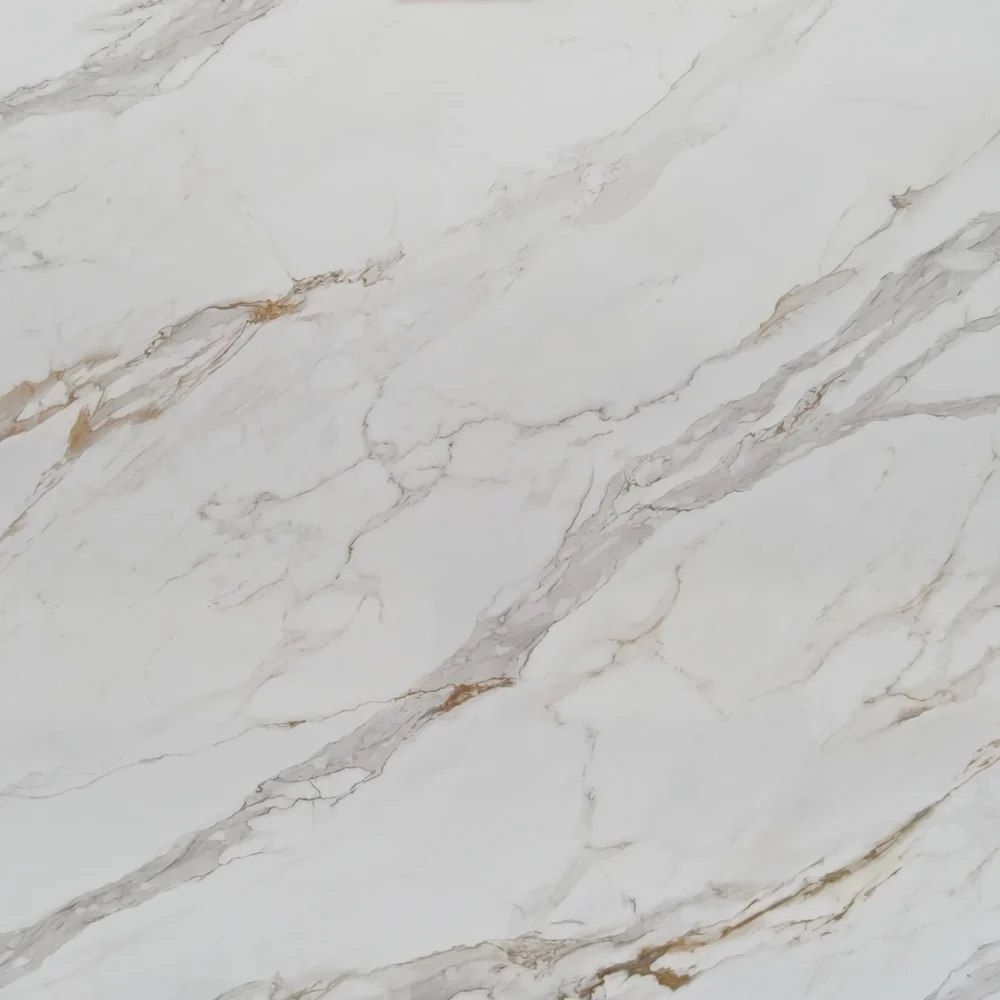
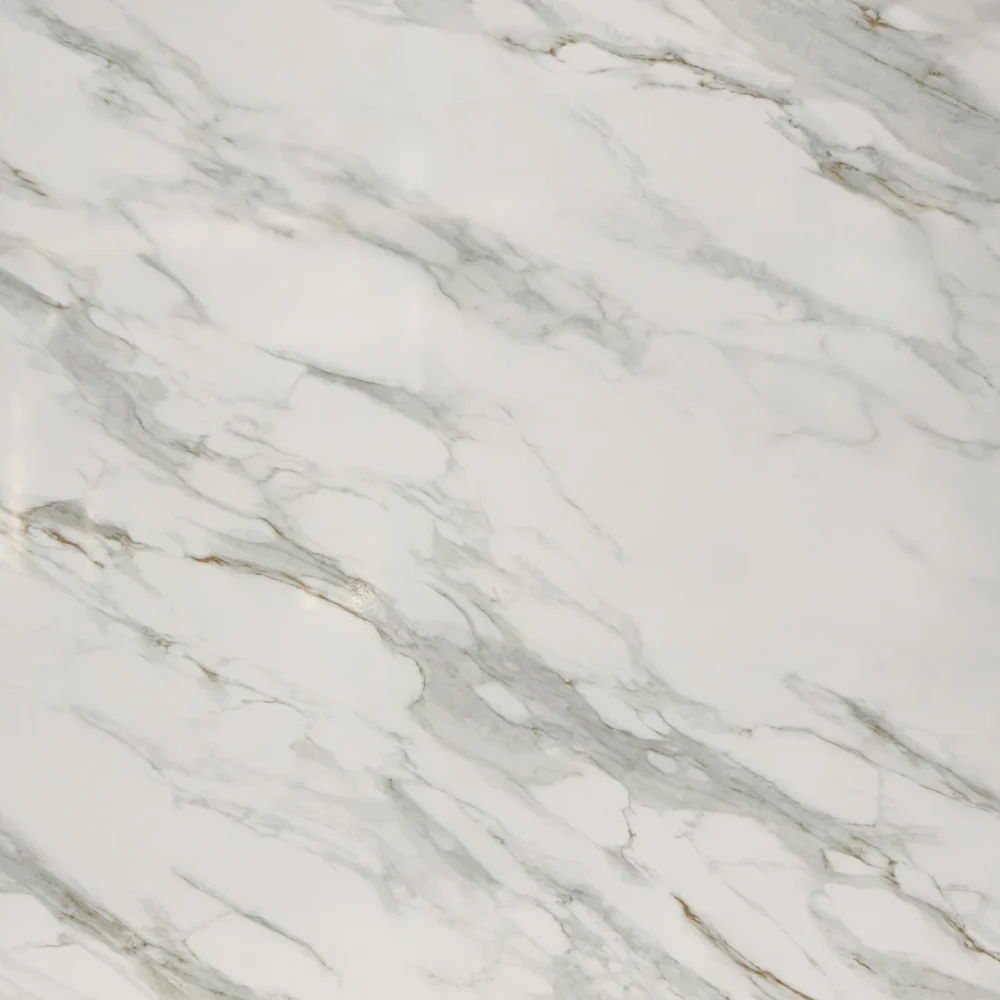
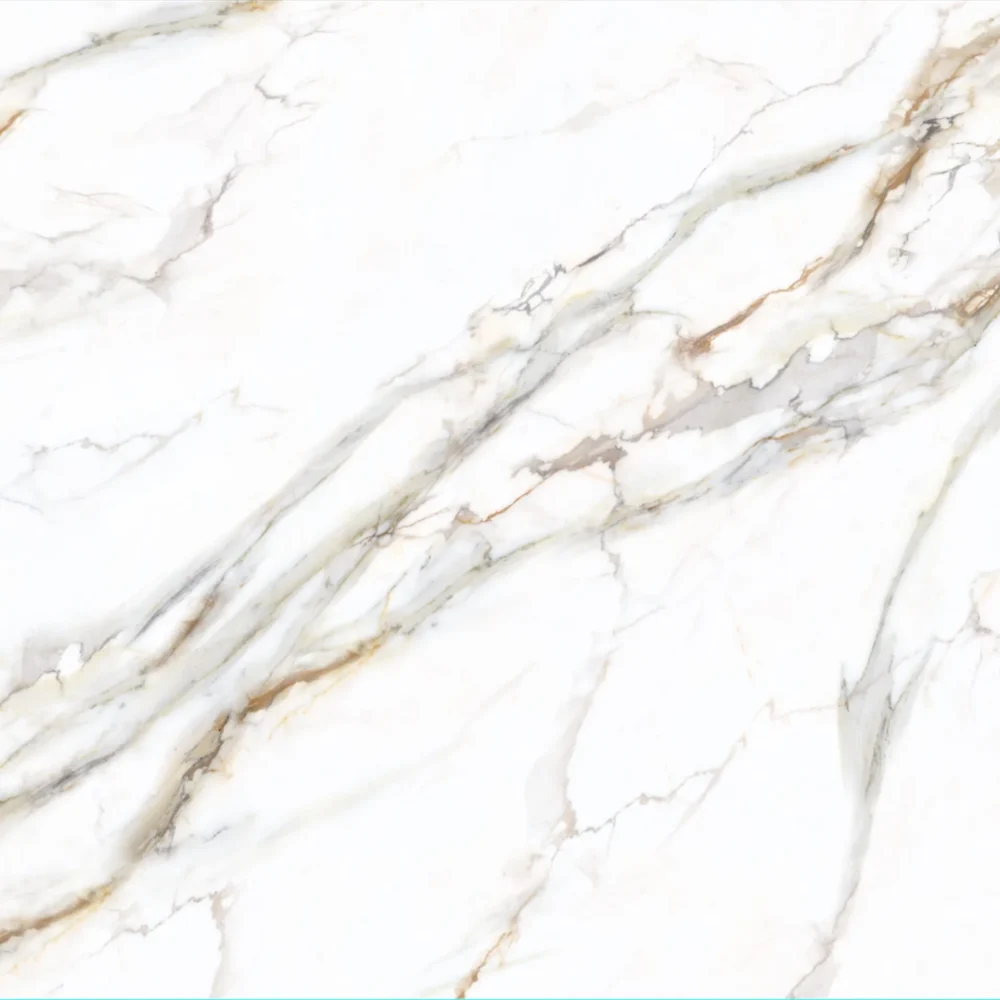
- Marble-Look White Quartz with Grey Streak Veins GQ-T282 for wholesale
Marble-Look White Quartz with Grey Streak Veins GQ-T282 for wholesale
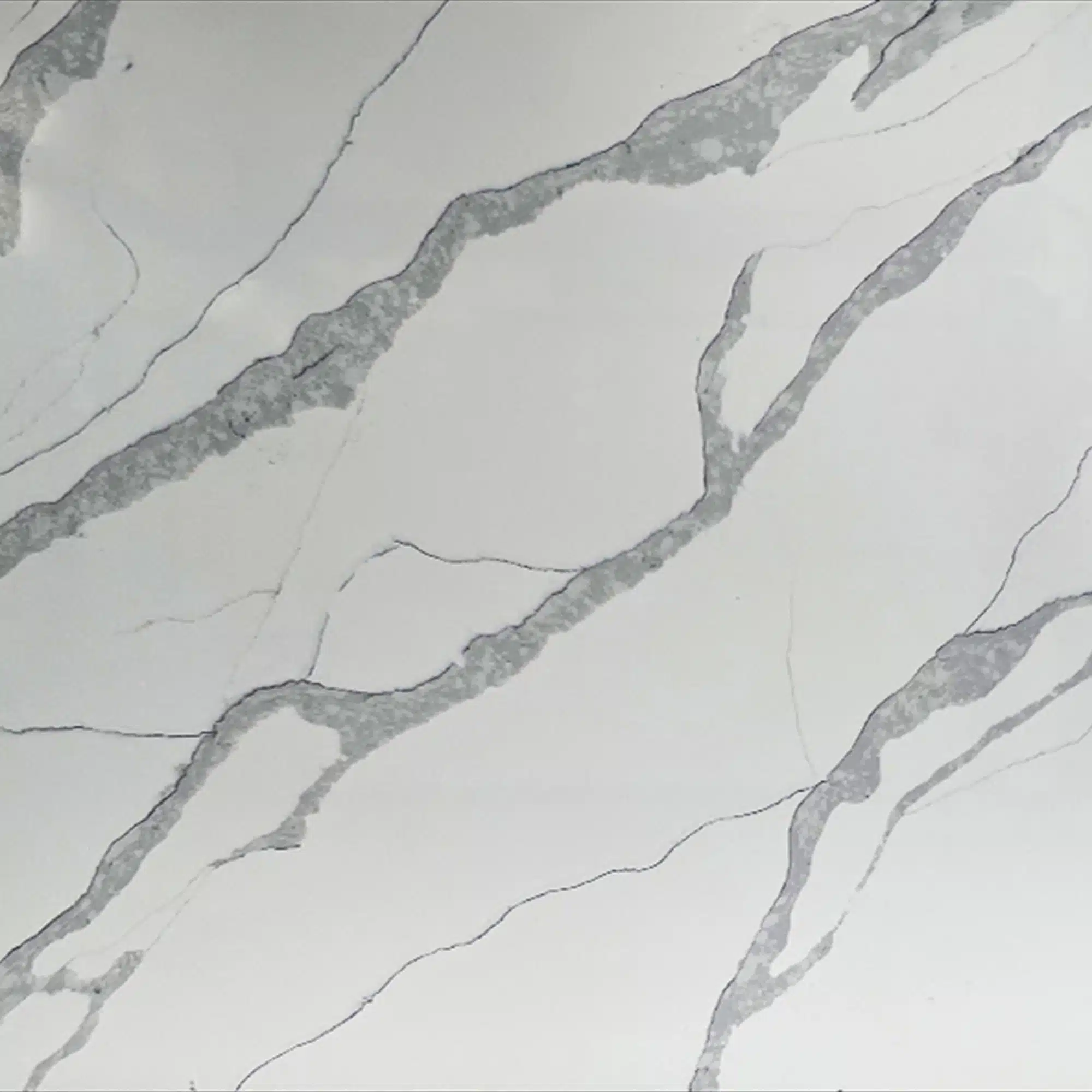
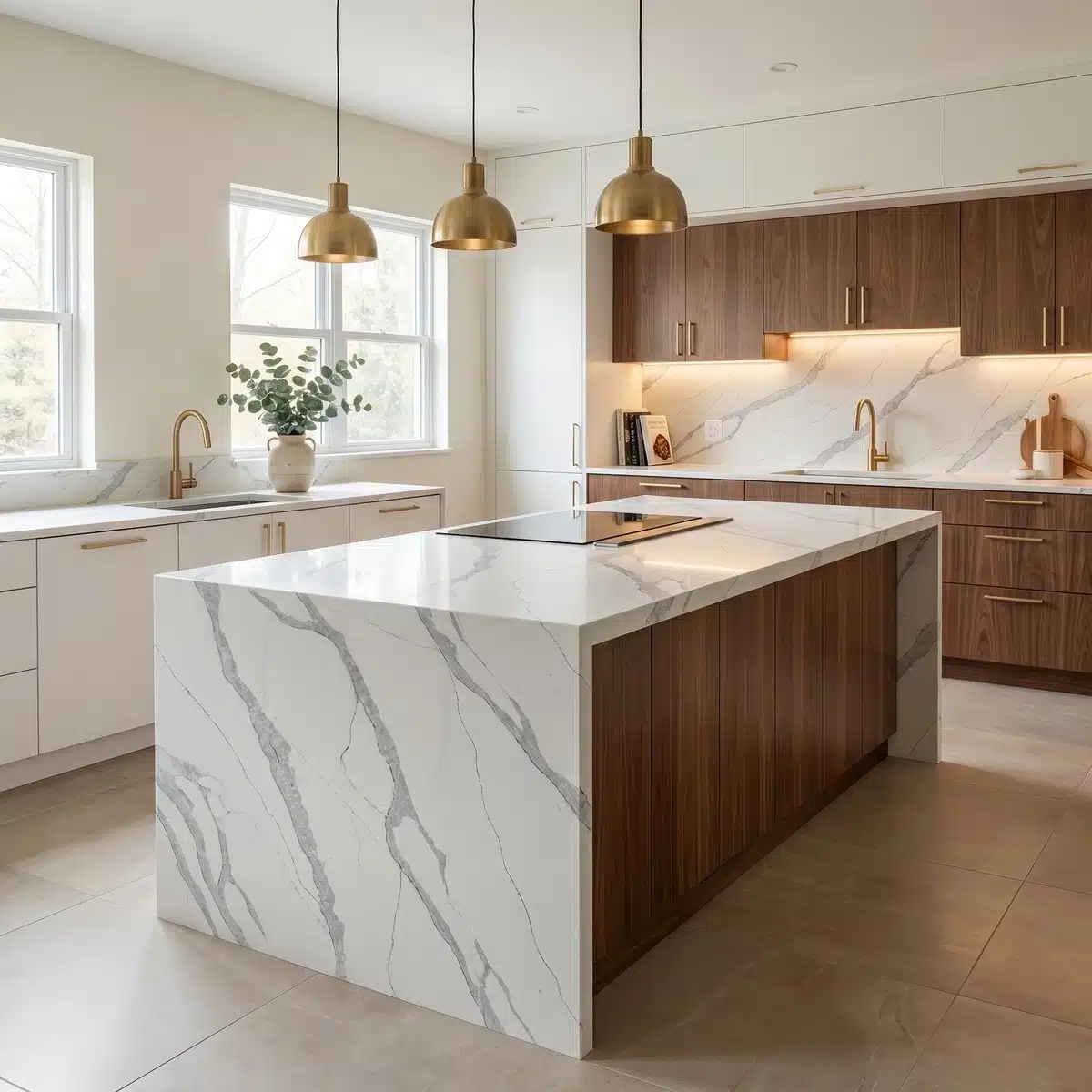
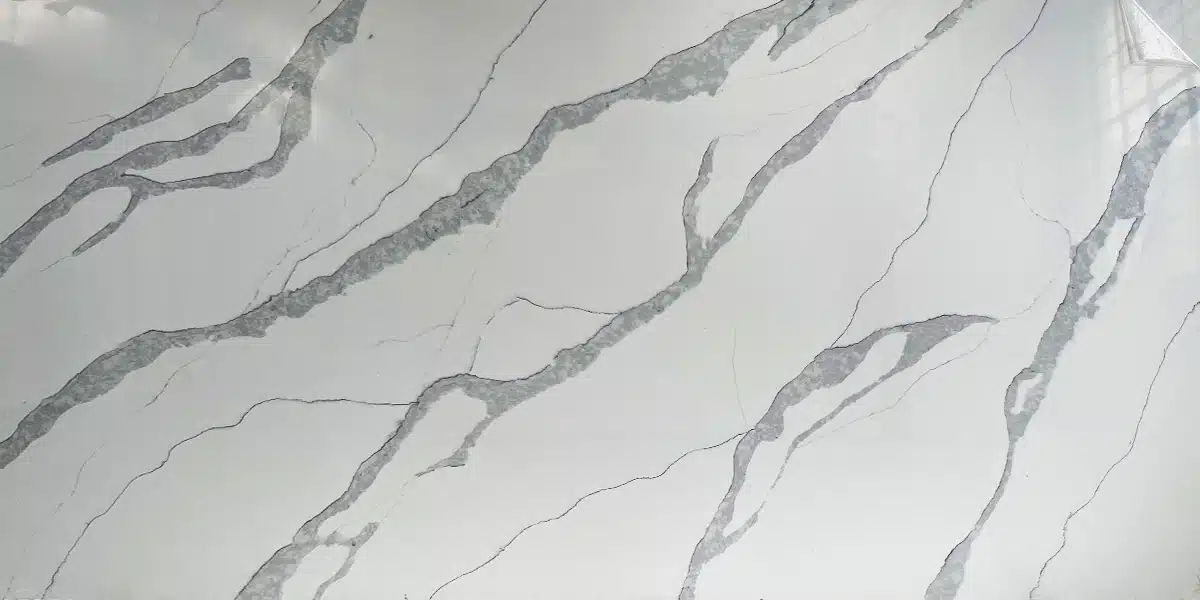
| Primary Color(s) | Bright White |
| Accent Color(s) | Cool Medium Gray Thick Veins + Charcoal Gray Fine Lines |
| Craft | Regular |
| Finishes | Polished / Honed / Suede / Leathered |
| Customized Size | 138″ × 79″ / 126″ × 63″ / Customizable |
| Thickness | 20mm/30mm/Customizable |
| Edge Style | Eased polished edge/2+2cm laminated edge/Mitred edge |
| Full Body Quartz | Yes |
| Bookmatch Available | Yes |
| Place of Origin | Thailand |
| Port of Transportation | Thailand |
| Packaging | Foam or carton inside + strong wooden crates with reinforced straps outside and fumigation |
| Delivery time | 15-20 days / Express service is negotiable. |
| MOQ | 10 ㎡ |
| Payment terms | 30%T/T after confirm the order and the 70% T/T by copy of B/L |
| Countertops Residential: Yes Commercial: Yes |
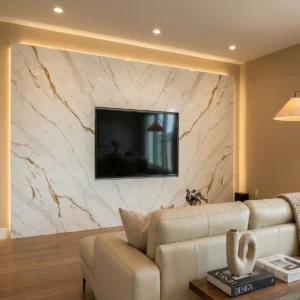
| Wall Residential: Yes Commercial: Yes |
| Flooring Residential: Yes Commercial: Yes |
Description:
Frequently asked questions
What wall color goes well with grey cabinets and quartz ?
Grey cabinets with quartz—especially a balanced white-and-grey veined slab like GQ-T282—create a neutral canvas, but the wall color has to bridge the gap between cool and warm.
Most fabricators will tell you: greige or warm taupe walls add depth without fighting the cabinet tone.
If your quartz leans cool (bluish or steely grey veins), avoid stark white—it amplifies the chill.
Instead, try a warm off-white with a hint of clay or oatmeal.
Soft sage or dusty olive works too, especially in kitchens with natural light.
In commercial spaces with LED lighting, test samples at night—many 'warm' paints look cold under 4000K+ fixtures.
Darker walls (charcoal, navy) can anchor a lighter quartz, but only if the backsplash and flooring don’t compete.
Bookmatched GQ-T282 slabs show more vein continuity, so wall color should recede—not compete.
And remember: seam placement and edge profile affect how much quartz 'reads' from across the room.
Don’t finalize paint until you’ve seen the actual slab under your job site lighting.
Do and don'ts with quartz countertops?
Quartz holds up well—but real-world performance depends on how it’s handled, not just what it is.
Do wipe spills quickly, especially coffee, wine, or citrus; acid exposure over hours can etch polished surfaces.
Use cutting boards—no exceptions—even though quartz won’t scratch easily.
Never set hot pans directly on it: thermal shock cracks are rare but happen, especially near seams or cutouts.
Don’t use abrasive pads or bleach-based cleaners—they dull honed finishes and can discolor resin-rich areas in printed quartz like GQ-T282.
Installers usually recommend sealing seams with NSF-certified silicone, not just relying on the slab’s density.
And while quartz doesn’t need sealing, grout lines in tile backsplashes or caulk joints around sinks still fail first.
Fabricators know: poor seam prep causes more callbacks than material flaws.
Also, avoid dragging heavy appliances across the surface—micro-chipping happens at edges.
If you’re specifying for hospitality projects, note that UV exposure over years can soften some resin systems; GQ’s Thailand facility uses UV-stable resins, but it’s still smart to shade south-facing bars or breakfast nooks.
Can gold be present in white quartz crystals?
Natural quartz crystals don’t contain gold—that’s geology 101.
But engineered quartz like GQ-T282 uses synthetic gold pigment or metallic flake suspended in the resin matrix during pressing.
It’s not leaf, not plating—it’s blended in, so the veining stays consistent across slabs and won’t tarnish, flake, or oxidize.
Contractors report it holds up fine in residential kitchens, but in high-heat zones (like behind ranges), the resin around gold flecks can amber slightly over time—so trivets matter.
Some wholesalers ask for ‘gold-integrated’ vs ‘gold-surface’ specs; GQ prints the gold into the full-body layer, not just top-coated, which helps with edge polishing and minimizes telegraphing on 2cm fabrication.
That said, gold veining isn’t uniform—it varies by batch and line speed.
If you’re bookmatching, expect subtle shifts in intensity.
And yes, it cleans like any other quartz, but avoid ammonia-heavy glass cleaners on highly reflective polished gold veins—they can leave haze.
For institutional jobs, confirm with the factory whether the gold meets NSF 51 for food prep zones; GQ’s standard lines do, but custom pigment loads may need verification.
Is there a grey quartz?
Yes—grey quartz is one of the most widely stocked categories, but 'grey' covers a huge range: ash, charcoal, blue-grey, warm greige, even green-tinged slate tones.
Slabs like GQ-T282 sit in the middle—white base with soft grey veining—so they avoid the flatness of solid greys and the coldness of high-contrast options.
In real-world kitchens, grey quartz shows fingerprints less than black, and smudges less than polished white—but dark veins collect dust near seams.
Fabricators often warn about lighting: cool LEDs exaggerate blue undertones; warm bulbs bring out brown or taupe hints.
Always pull physical samples—not just digital swatches—because printed quartz like GQ-T282 uses Full Body Printed technology, meaning the pattern repeats consistently, but variation still exists between production runs.
For large commercial jobs, specify 'low-variation' when ordering; GQ’s Thailand facility can hold tighter tolerances on jumbo slabs (138" x 79") than smaller mills.
And if you're matching cabinetry, remember: painted grey cabinets shift more than quartz does—so order slabs *after* final cabinet finish approval.