


- Home
- Quartz
- Quartz Slabs
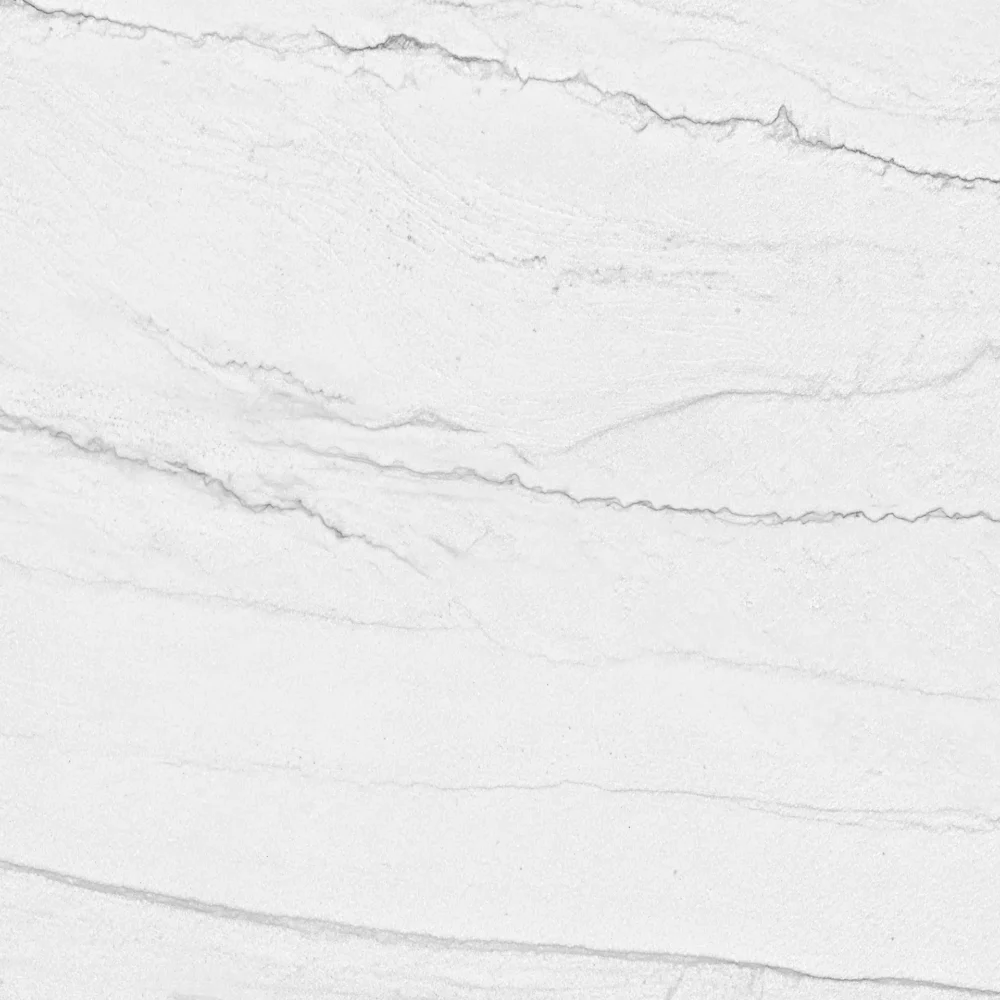
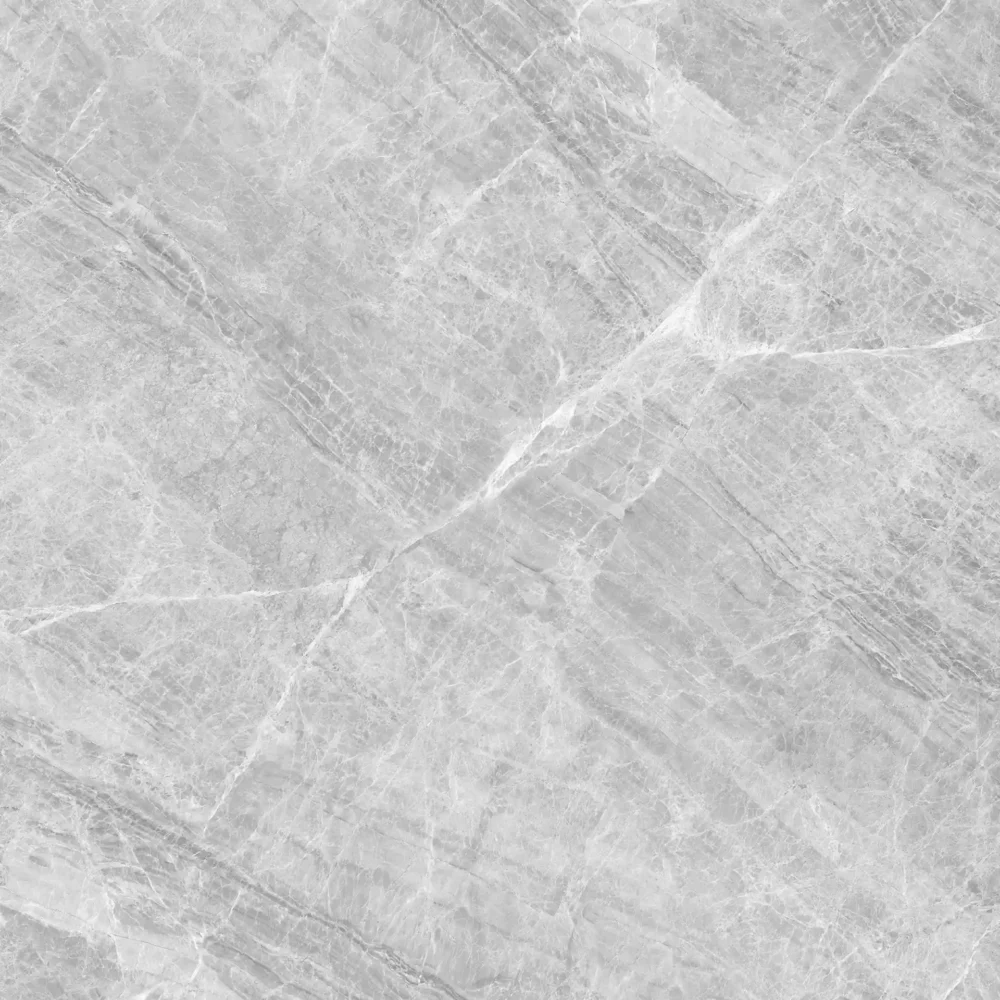
- Madreperola Quartz Countertops GQ-T264 for Wholesale
Madreperola Quartz Countertops GQ-T264 for Wholesale
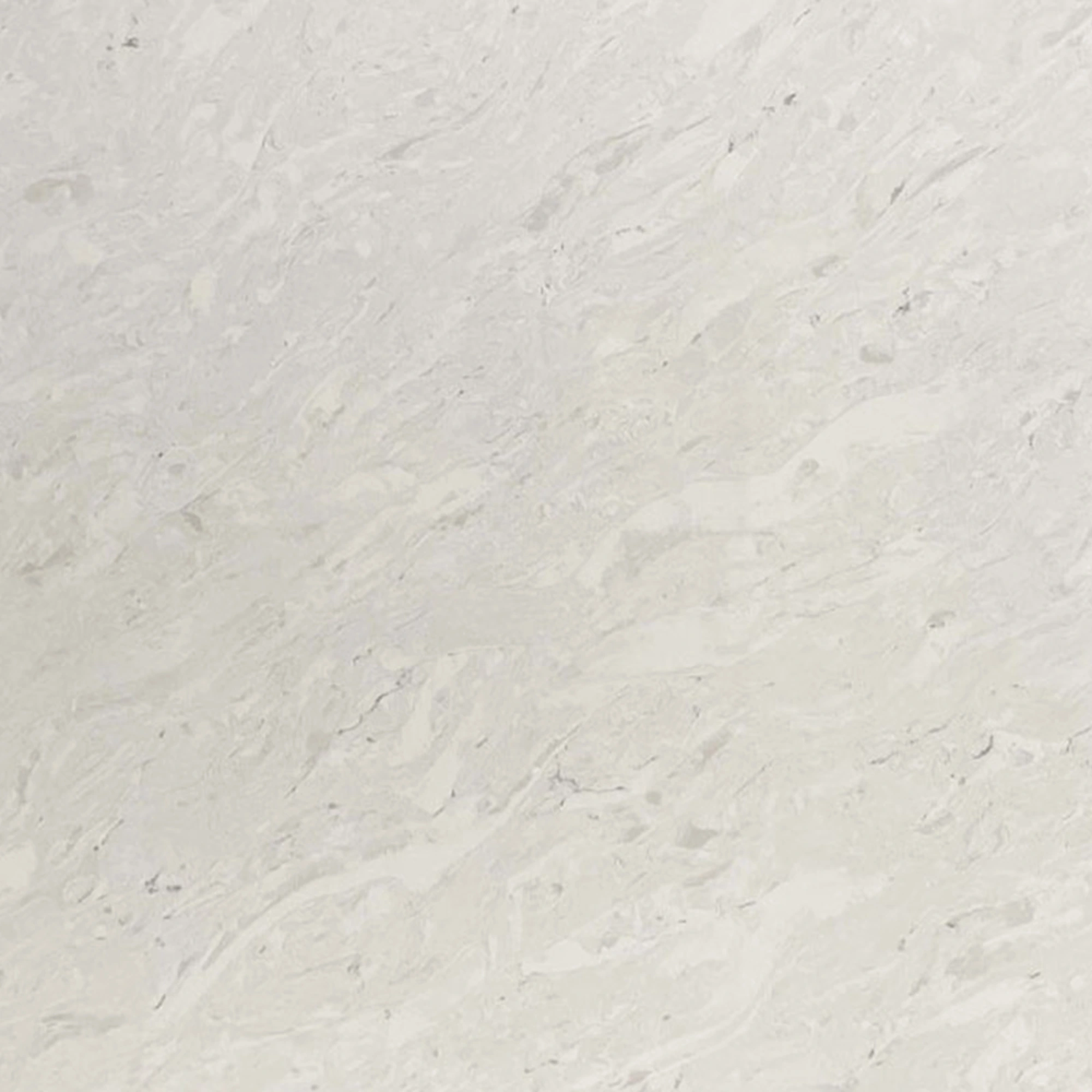
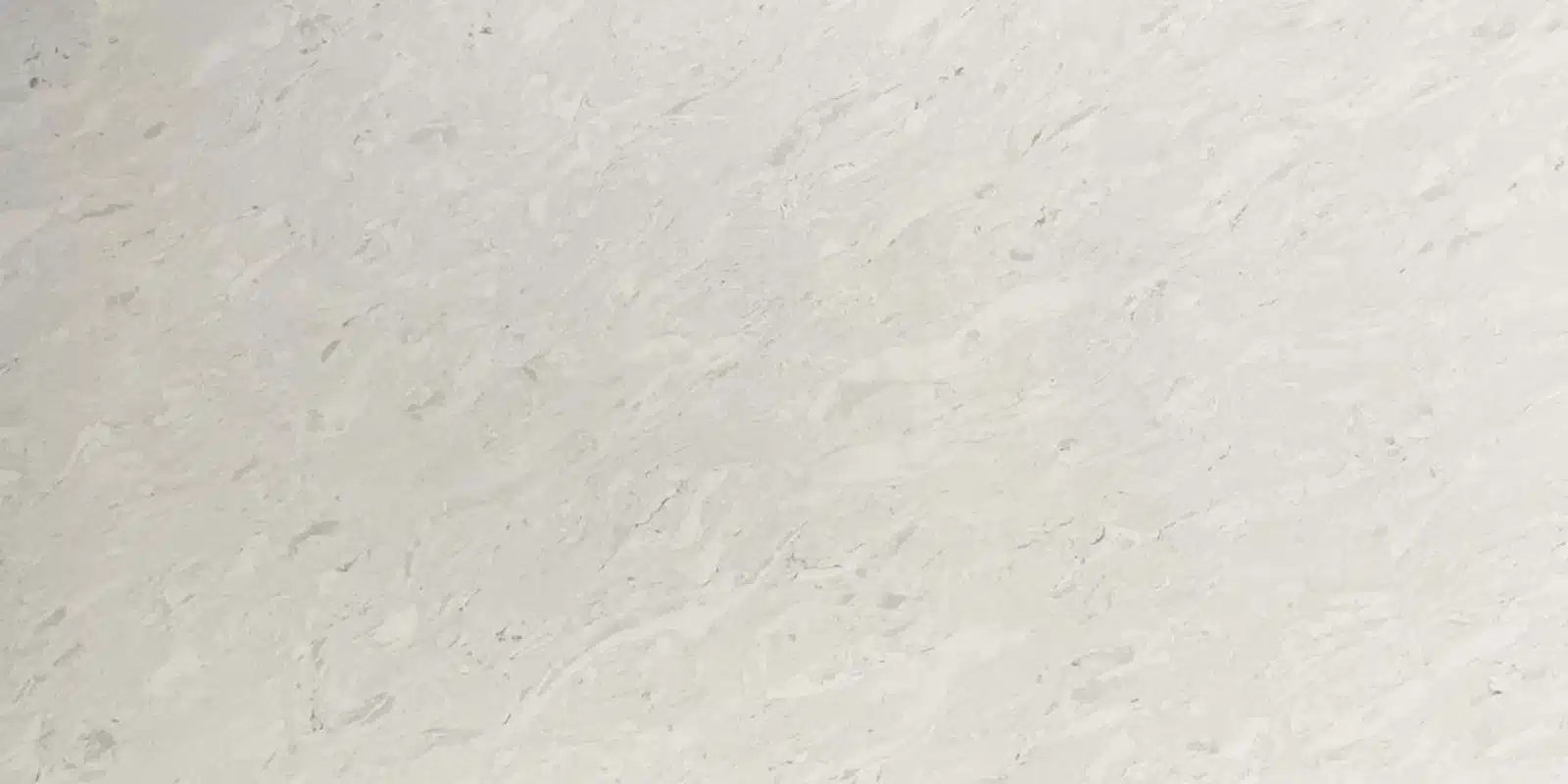
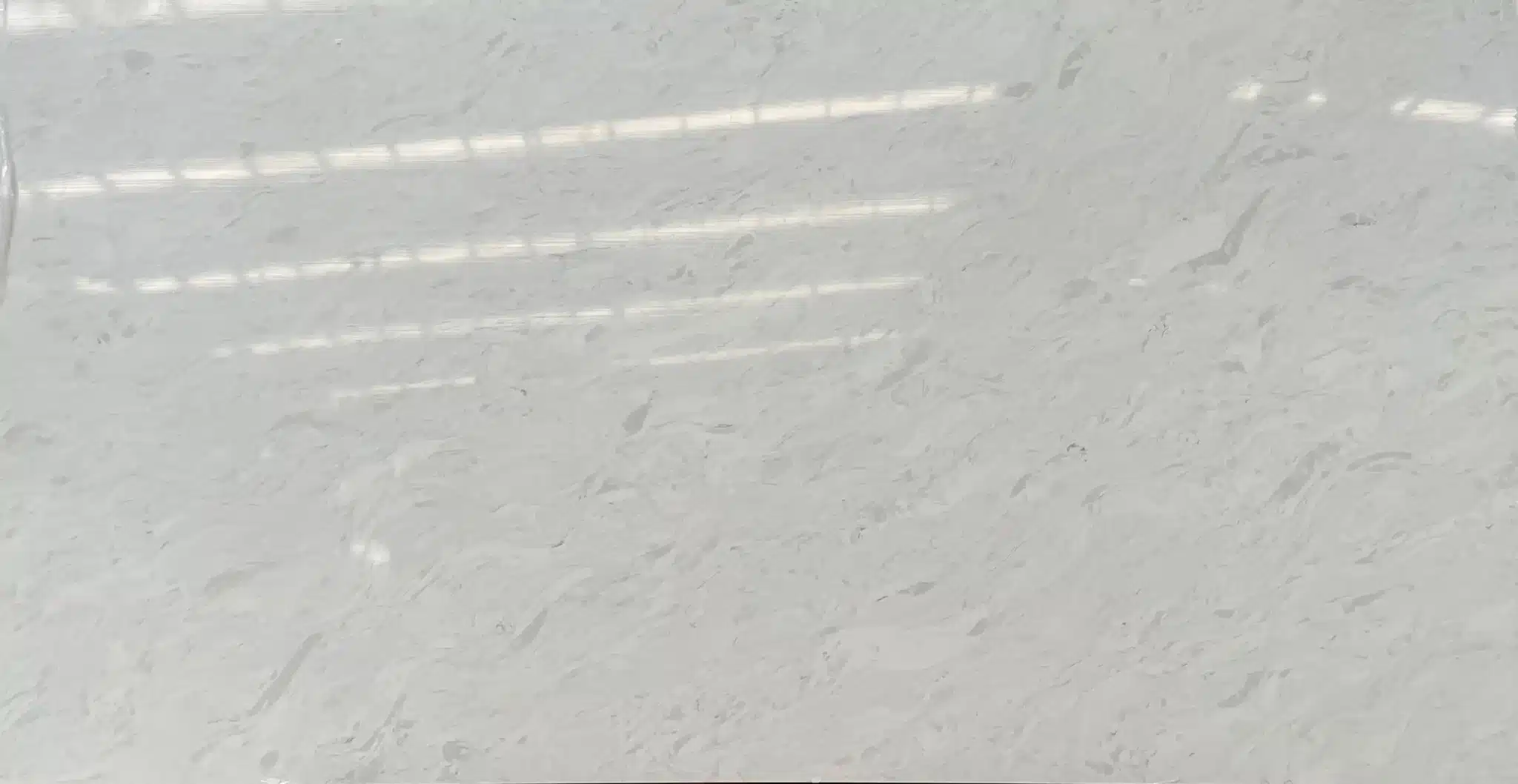
| Primary Color(s) | Pale Silver-White |
| Accent Color(s) | Soft Cool Grey Cloud Texture |
| Craft | Regular |
| Finishes | Polished / Honed / Suede / Leathered |
| Customized Size | 138″ × 79″ / 126″ × 63″ / Customizable |
| Thickness | 20mm/30mm/Customizable |
| Edge Style | Eased polished edge/2+2cm laminated edge/Mitred edge |
| Full Body Quartz | Yes |
| Bookmatch Available | Yes |
| Place of Origin | Thailand |
| Port of Transportation | Thailand |
| Packaging | Foam or carton inside + strong wooden crates with reinforced straps outside and fumigation |
| Delivery time | 15-20 days / Express service is negotiable. |
| MOQ | 10 ㎡ |
| Payment terms | 30%T/T after confirm the order and the 70% T/T by copy of B/L |
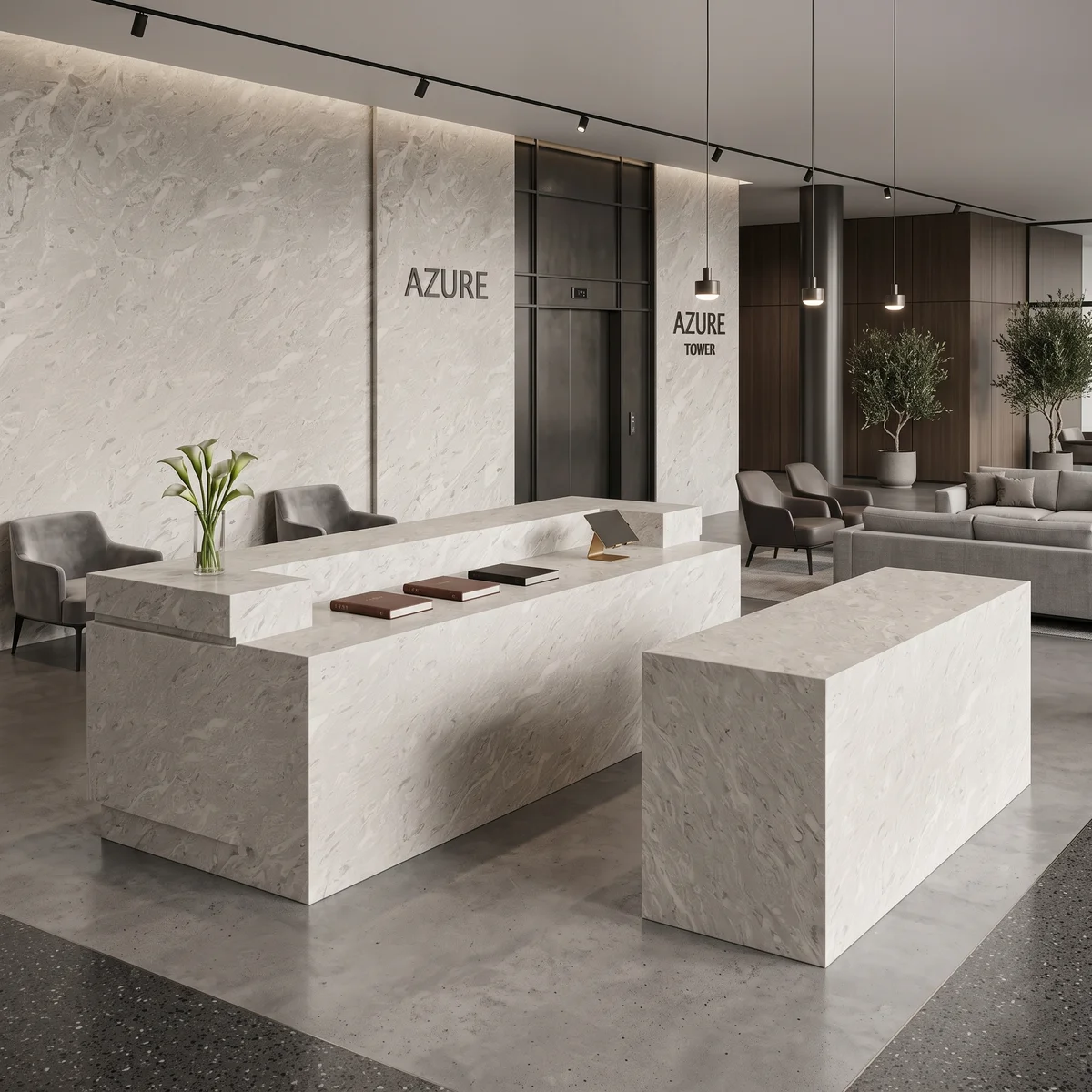
| Countertops Residential: Yes Commercial: Yes |
| Wall Residential: Yes Commercial: Yes |
| Flooring Residential: Yes Commercial: Yes |
Description:
Frequently asked questions
How to choose gray quartz countertops?
Picking gray quartz comes down to balancing aesthetics, durability, and practicality. First, decide if you want light, medium, or dark gray—lighter shades brighten a space but show more smudges; darker tones hide wear but can make a room feel smaller. Look at veining: subtle veins add depth without overwhelming, while bold ones make a statement but may not suit minimalist designs. Consider the kitchen’s lighting—natural light can wash out darker grays, so test samples in your space. Also, check the resin content; higher resin means more sparkle but can look less natural. Brands like Cambria, Silestone, and MSI offer variations that mimic stone like Taj Mahal. Always request full slabs, not remnants, for consistent patterns. And remember, ‘gray’ isn’t one color—some have cool blue undertones, others warm beige. Match it to your cabinets: gray with warm wood? Go for warmer gray quartz. Cool whites? Lean blue-gray. Don’t skip the dry-lay approval—this is where the real decision happens.
What ruins quartz countertops?
Quartz is tough, but it’s not indestructible. The real enemies are heat and sharp impacts. Putting a hot pan directly on it can cause thermal shock—especially with thin edges or poorly supported areas. While it won’t melt, it can crack or discolor. Then there’s the cutting issue: people still chop on quartz, and while it won’t scratch like marble, repeated blade contact creates micro-scratches over time, dulling the finish. Moisture isn’t a problem—quartz is non-porous—but acidic cleaners (like vinegar or lemon juice) can etch the surface if left too long. And don’t forget about installation: poor support, uneven cabinets, or bad seams can lead to cracks. UV exposure? Not a big deal indoors, but direct sunlight on light-colored quartz might fade resins over decades. The biggest mistake? Thinking ‘it’s unbreakable.’ It’s engineered, not indestructible. Treat it like a premium surface—use trivets, cutting boards, and clean with pH-neutral products. That’s how you keep it looking fresh for 10+ years.
Is engineered stone as good as quartz?
Engineered stone is a broad term—quartz is a type of engineered stone. So yes, quartz is engineered stone, but not all engineered stone is quartz. The key difference is composition: quartz contains 90–95% real quartz crystals, making it hard, scratch-resistant, and non-porous. Other engineered stones (like those with limestone or recycled glass) may be softer, more porous, or less durable. If someone says 'engineered stone,' they might mean a lower-grade mix that lacks quartz’s density and longevity. For kitchens, quartz is the gold standard—resistant to stains, heat (up to a point), and scratches. But if you’re talking about a solid surface like Corian, that’s different: it’s softer, easier to repair, but more prone to staining and scratching. So, is engineered stone as good as quartz? Only if it’s actual quartz. Otherwise, you’re getting a cheaper alternative with trade-offs in durability and maintenance. Always ask: what’s the mineral content? 90% quartz? That’s the benchmark. Anything less, and you’re not getting the same performance.
Whats the difference of quartz stone and engineered slab?
The terms ‘quartz stone’ and ‘engineered slab’ are often used interchangeably, but they’re not the same. ‘Quartz stone’ is a marketing term—most people mean engineered quartz, which is a composite of ground natural quartz, resin, and pigments. It’s not a natural stone; it’s manufactured. ‘Engineered slab’ is broader—it could be quartz, but also other composites like engineered marble (which uses limestone), solid surface (like Corian), or even recycled glass mixes. The key difference lies in composition and performance: quartz slabs have high quartz content (90%+), making them harder, more durable, and non-porous. Engineered slabs made from other materials may be softer, require sealing, or stain more easily. For example, an ‘engineered marble’ slab looks like marble but is more porous and less scratch-resistant than quartz. So when you’re shopping, ask: what’s the base material? If it’s quartz, you’re getting the best balance of aesthetics and durability. If it’s something else labeled as ‘engineered,’ you might be getting a cheaper alternative. Always check the specs—quartz is a subset of engineered stone, but not all engineered stone is quartz.