



- Home
- Quartz
- Quartz Slabs
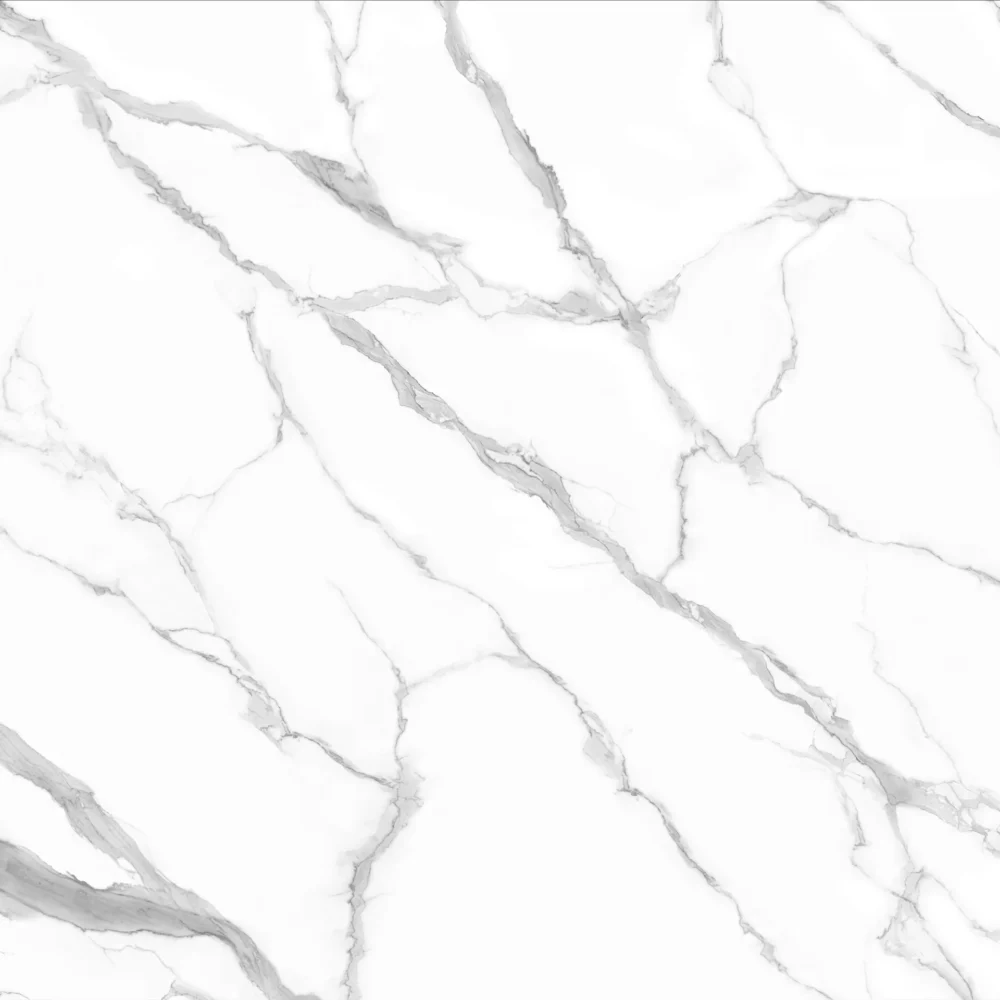
- Nivis Stratus Gray Quartz GQ-T370 for wholesale
Nivis Stratus Gray Quartz GQ-T370 for wholesale
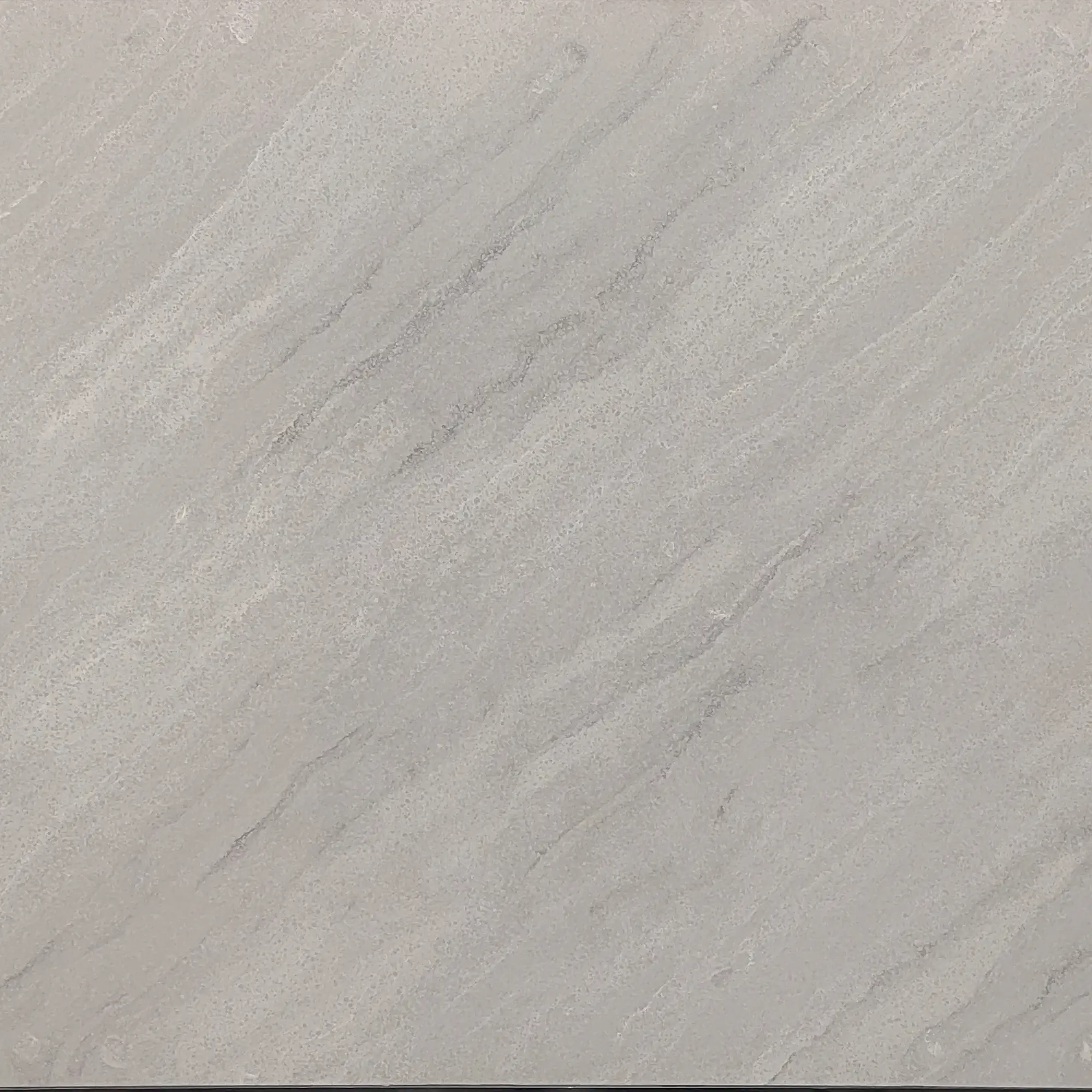
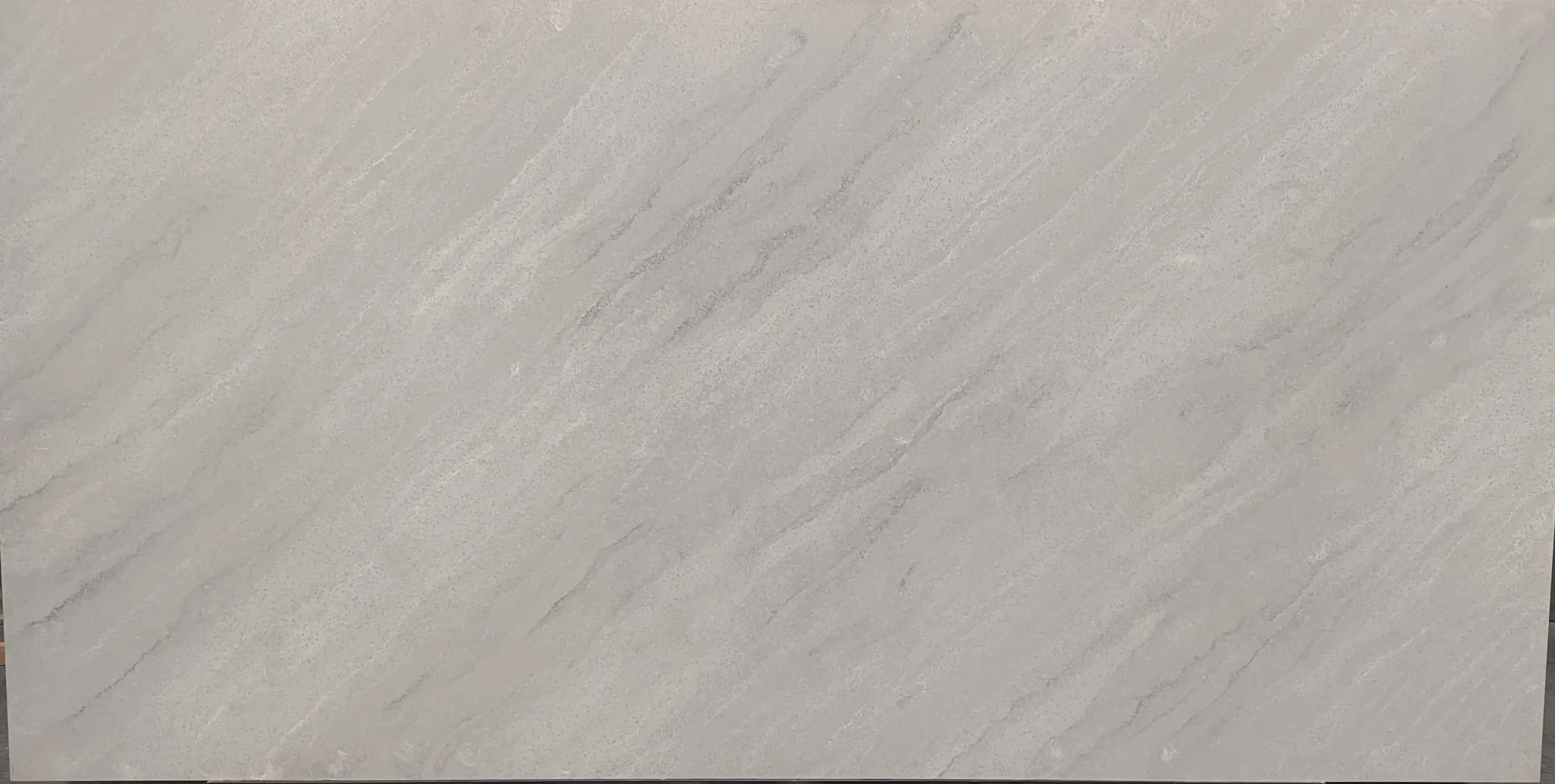
| Primary Color(s) | Light Ash Gray |
| Accent Color(s) | Soft Charcoal Gray Veins + Faint Off-White Streaks |
| Craft | Regular |
| Finishes | Polished / Honed / Suede / Leathered |
| Customized Size | 138″ × 79″ / 126″ × 63″ / Customizable |
| Thickness | 20mm/30mm/Customizable |
| Edge Style | Eased polished edge/2+2cm laminated edge/Mitred edge |
| Full Body Quartz | Yes |
| Bookmatch Available | Yes |
| Place of Origin | Thailand |
| Port of Transportation | Thailand |
| Packaging | Foam or carton inside + strong wooden crates with reinforced straps outside and fumigation |
| Delivery time | 15-20 days / Express service is negotiable. |
| MOQ | 10 ㎡ |
| Payment terms | 30%T/T after confirm the order and the 70% T/T by copy of B/L |
| Countertops Residential: Yes Commercial: Yes |
| Wall Residential: Yes Commercial: Yes |
| Flooring Residential: Yes Commercial: Yes |
Description:
Frequently asked questions
How to Pair Countertops with Gray Cabinets?
Gray cabinets are a blank canvas—but they’re also a trap if you ignore undertones.
Cool grays (blue or green hints) clash hard with warm quartz that leans yellow or brown.
Warm grays (beige or taupe base) get muddy next to cool, steely quartz.
Most fabricators start by holding a slab sample next to the cabinet door in the actual space—morning light vs. evening LED makes a real difference.
For cool gray cabinets, try a white or very light gray quartz with soft gray veining—not black, not gold.
For warm grays, a medium-toned quartz with charcoal or graphite veins adds contrast without fighting the cabinetry.
Dark gray cabinets?
A bright, consistent white quartz works best—busy patterns or heavy veining can visually shrink the space.
GQ-T370 is a full-body printed quartz, so what you see on the surface runs through the slab—no surprise shifts at seams or edges.
That consistency matters when bookmatching or aligning large islands.
And skip the monochrome gray-on-gray unless you’re using texture or finish variation (e.g., honed countertop + glossy cabinets) to break it up.
Backsplash and flooring should anchor, not compete—think warm wood floors or matte ceramic tile with subtle tonal variation.
What color looks good with gray countertops?
Gray countertops work because they’re neutral—but neutrality doesn’t mean invisible.
Cool grays (bluish or ashen) pull best with crisp white cabinets, pale oak, or even deep navy—anything that holds its own without competing.
Warm grays (with beige, taupe, or faint brown undertones) pair cleanly with walnut, cream, or soft sage—colors that share the same thermal family.
Avoid stark white cabinets with warm gray quartz unless you add warmth elsewhere (lighting, hardware, backsplash).
In real-world kitchens, we see the most fatigue with flat, uniform gray countertops paired with cool-toned cabinets and cool lighting—everything recedes, feels washed out.
A better move: use the gray countertop as a base, then introduce contrast through cabinet color, open shelving, or a textured backsplash.
For commercial projects—like hotel lobbies or office cafés—warm gray quartz holds up better under mixed lighting than cool variants.
Slab samples matter more here than specs: resin content affects how light reflects, and UV exposure over time can shift some lighter grays toward ivory.
GQ-T370 uses low-silica, UV-stable resins, so long-term tone shift is minimal—but still test in your space.
Do engineered quartz countertops need to be sealed?
No—and that’s one of the few things everyone in the trade agrees on.
Engineered quartz isn’t porous like granite or marble, so sealing won’t help and could actually cause issues.
The resin binder locks the quartz particles in place, making it resistant to water absorption and common kitchen stains.
But ‘non-porous’ doesn’t mean ‘invincible.’ Acidic cleaners—vinegar, lemon juice, bleach—break down the resin over time, especially on polished finishes.
Abrasives scratch; heat from cooktops or hot pans can crack the surface or discolor resin near edges.
Installers usually recommend wiping spills quickly—not because it’ll stain, but because dried citrus or coffee leaves residue that dulls the polish.
Some shops apply a light buff or protective spray at installation, but that’s for shine retention, not sealing.
In high-traffic commercial builds, we’ve seen quartz hold up fine for 8–10 years with basic soap-and-water cleaning—no sealants, no reconditioning.
Just keep the edge detail clean during fabrication; resin buildup in tight corners attracts dust and shows wear faster.
GQ’s low-silica production lines also mean less dust during cutting—less risk of embedded grit scratching the surface during install.
Are engineered quartz countertops expensive?
It depends on what you’re comparing it to—and what you’re asking it to do.
Quartz sits between solid surface and natural stone in cost structure.
You’re paying for consistency, low maintenance, and fabrication predictability—not just material.
A standard 3cm slab with simple edge and no bookmatching costs less than a custom-thickness, jumbo-size slab with mitered corners and tight seam alignment.
Freight, duties, and lead time also factor in: slabs made in Thailand (like Grand Quartz Tech’s) may carry longer transit times but often offset that with stable pricing and fewer supply chain surprises.
Volume matters—wholesalers ordering container loads see different economics than a single-job contractor.
Fabrication complexity drives cost more than brand name: tight radius sinks, waterfall ends, or integrated drainboards add labor, not just slab price.
GQ-T370 uses full-body printed technology, so pattern continuity across large surfaces is reliable—fewer waste cuts, less layout time.
That saves money downstream, even if the slab itself isn’t the cheapest option.
In hospitality projects, contractors often choose quartz not for upfront savings, but because it avoids the callbacks and warranty claims common with inconsistent natural stone.