



- Home
- Quartz
- Quartz Slabs
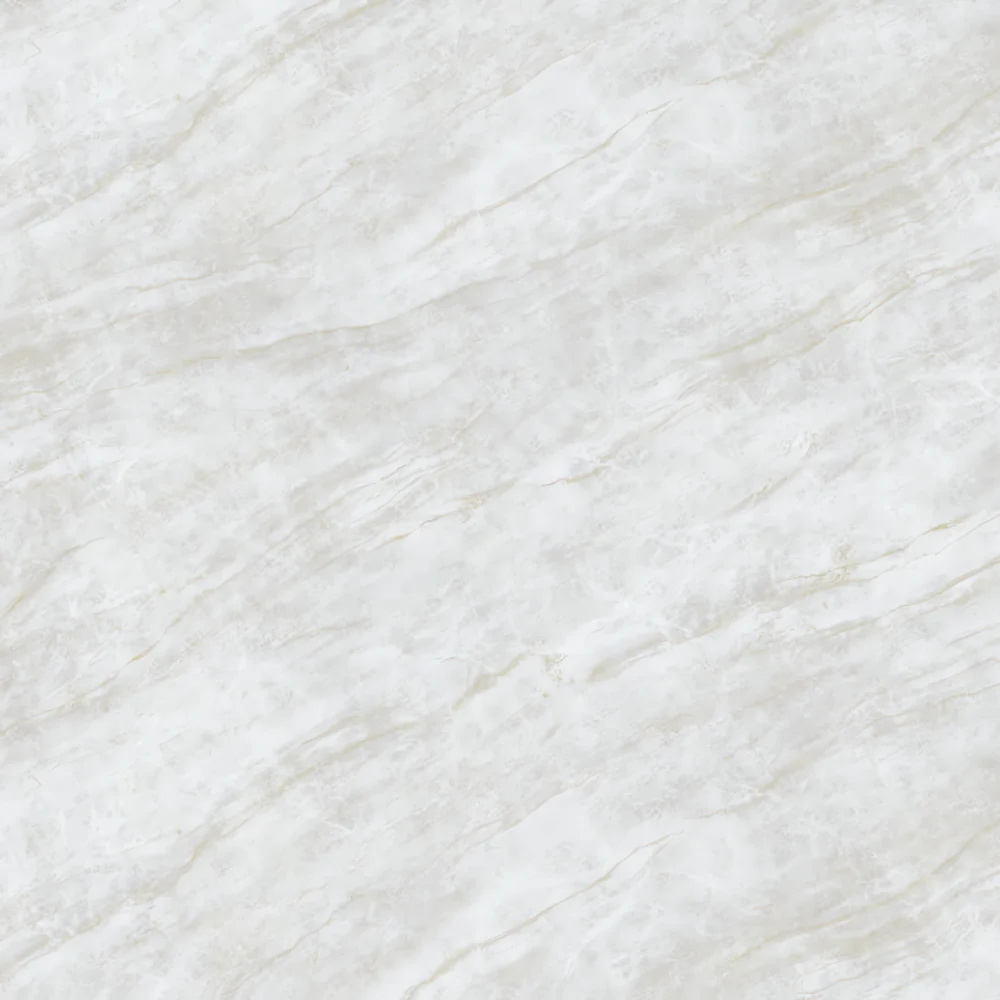
- Patagonia Royale Quartz Surface GQ-R0261 for Wholesale
Patagonia Royale Quartz Surface GQ-R0261 for Wholesale
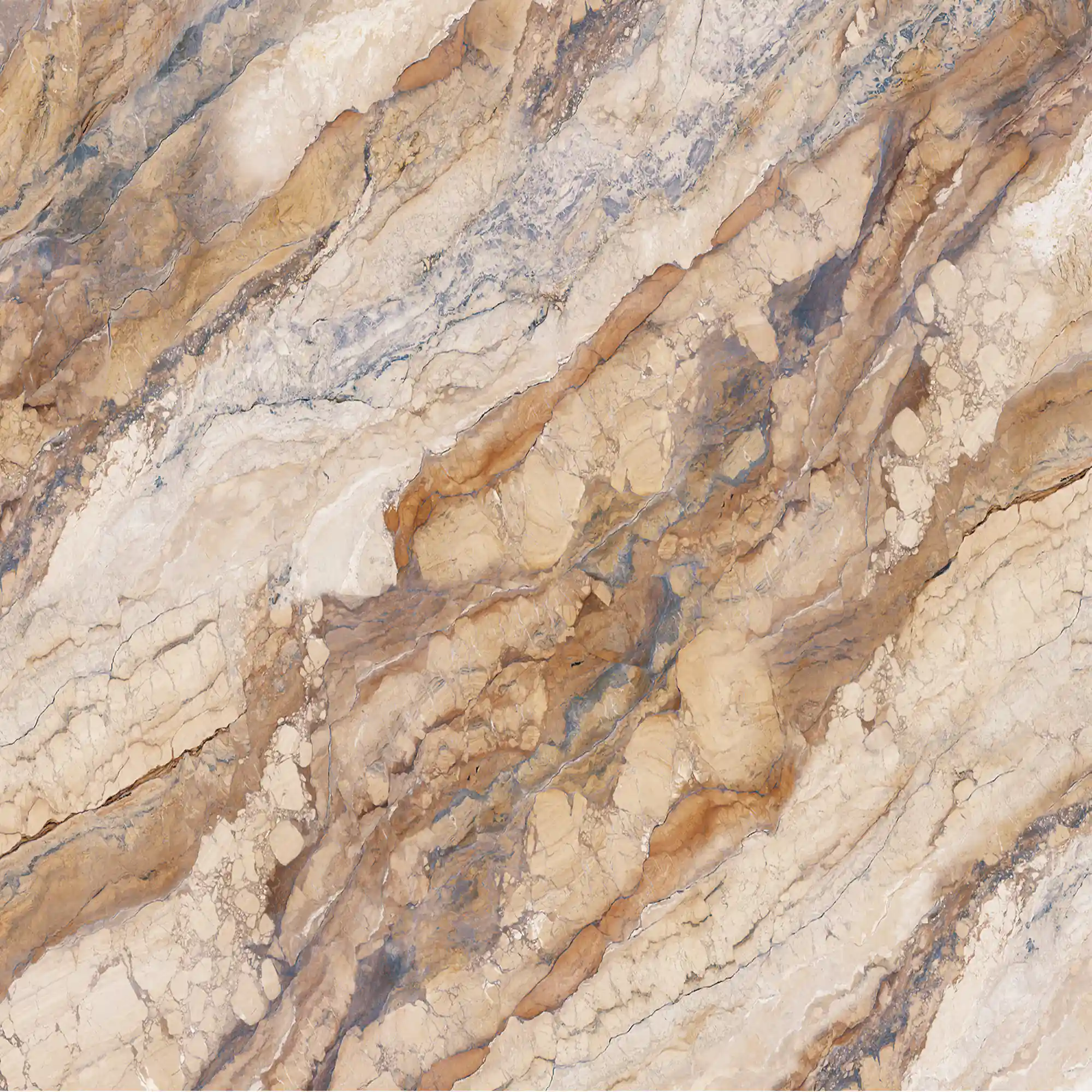
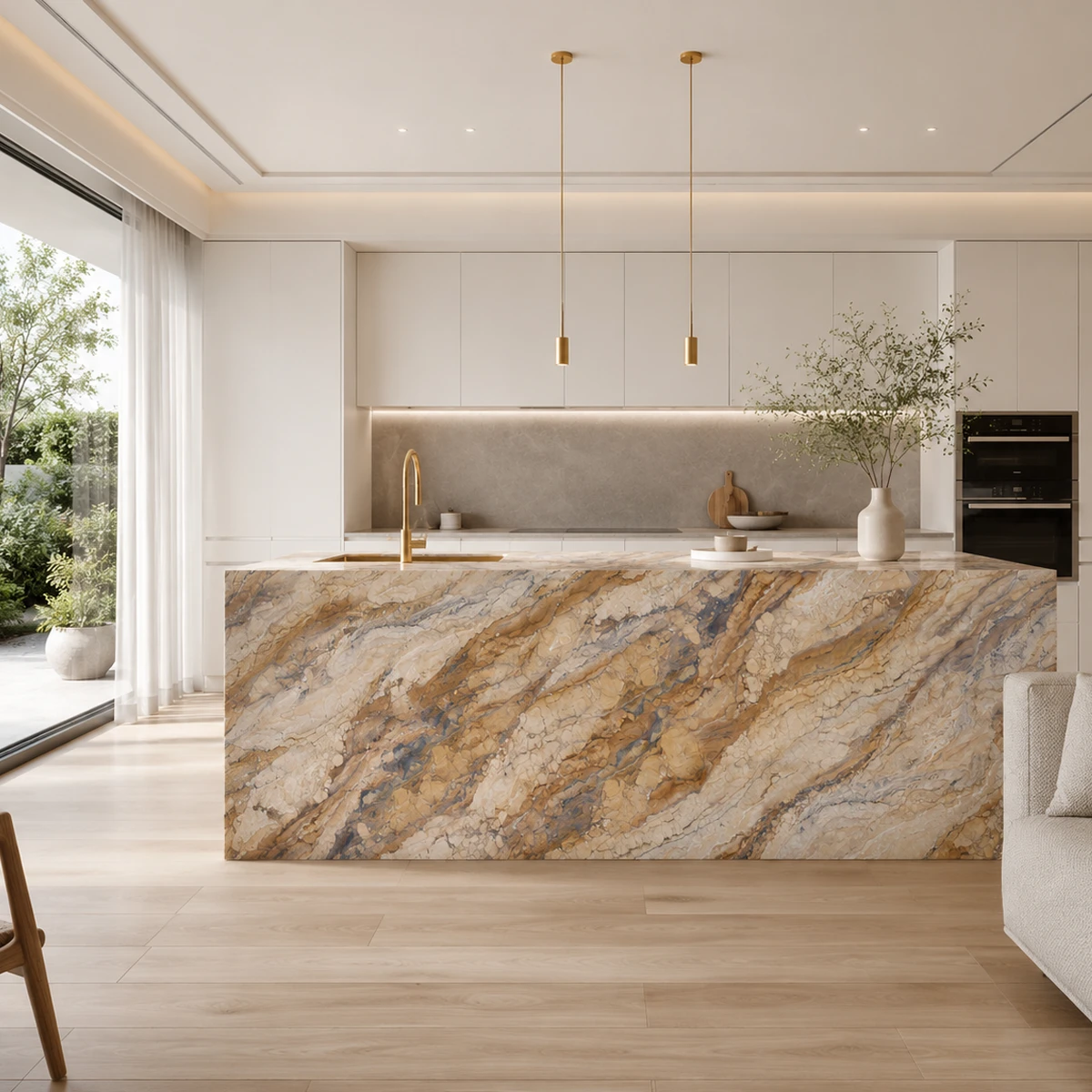
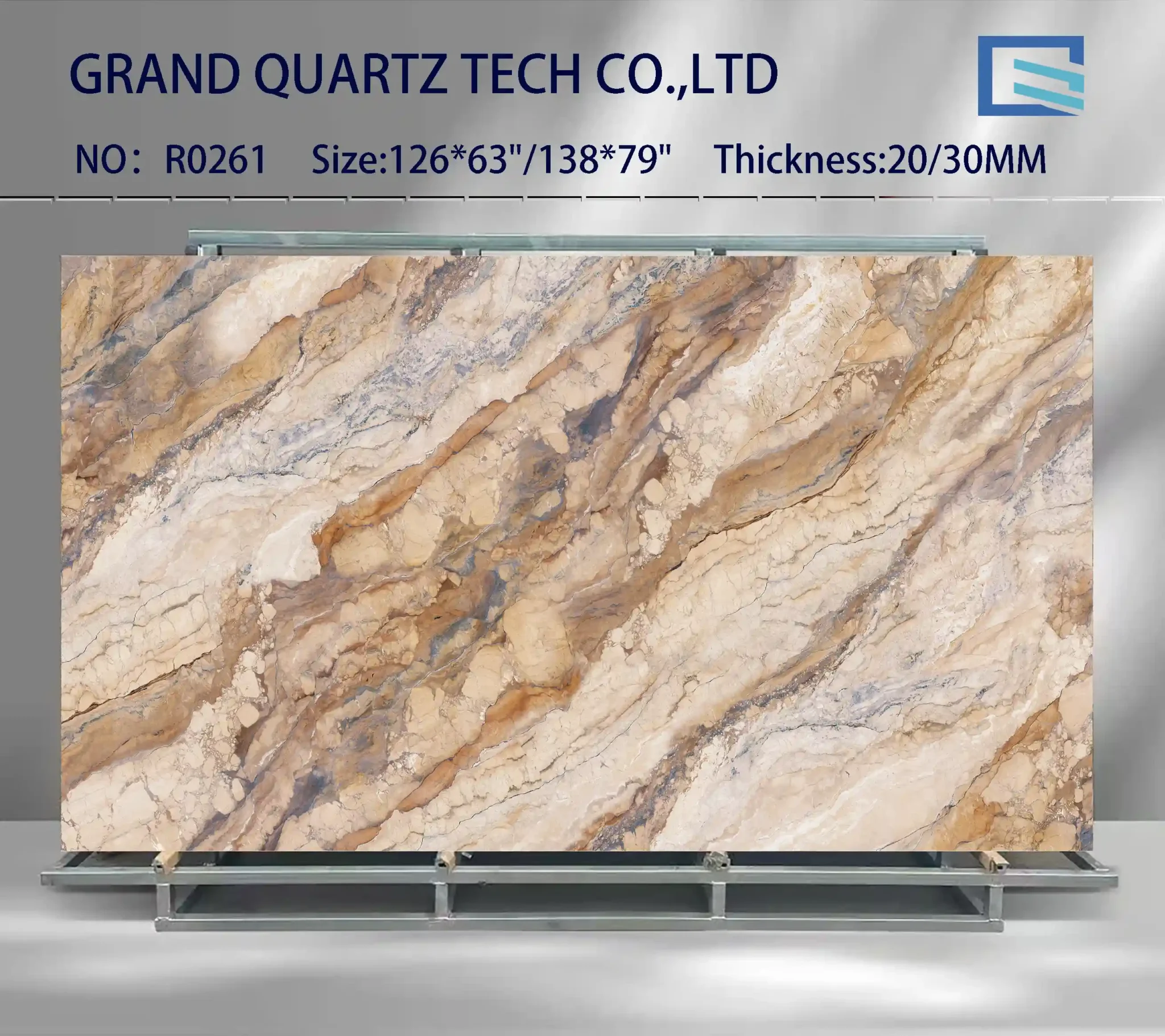
| Primary Color(s) | Warm Beige-Taupe |
| Accent Color(s) | Rich Bronze Brown Vein + Cool Grey-Green Swirl |
| Craft | Printed |
| Finishes | Polished / Honed / Suede / Leathered |
| Customized Size | 138″ × 79″ / 126″ × 63″ / Customizable |
| Thickness | 20mm/30mm/Customizable |
| Edge Style | Eased polished edge/2+2cm laminated edge/Mitred edge |
| Full Body Printed Quartz | Yes |
| Bookmatch Available | Yes |
| Place of Origin | Thailand |
| Port of Transportation | Thailand |
| Packaging | Foam or carton inside + strong wooden crates with reinforced straps outside and fumigation |
| Delivery time | 15-20 days / Express service is negotiable. |
| MOQ | 10 ㎡ |
| Payment terms | 30%T/T after confirm the order and the 70% T/T by copy of B/L |
| Countertops Residential: Yes Commercial: Yes |
| Wall Residential: Yes Commercial: Yes |
| Flooring Residential: Yes Commercial: Yes |
Description:
Frequently asked questions
Which is more high end, quartz or quartzite?
Installers usually recommend thinking of ‘high end’ in terms of appearance, durability, and how it holds up over time—not just price.
Natural quartzite has long been considered because it’s a mined stone, often imported from Brazil or Italy, and it has a rugged, luxurious texture.
But in recent years, engineered quartz has caught up—especially when it’s made with full-body printing technology.
These slabs can replicate the exact veins and patterns of quartzite like Taj Mahal or Calacatta, sometimes with better consistency across large runs.
The real difference is that quartzite can chip or etch if exposed to acidic cleaners or hot pans, while quartz resists both.
In high-traffic commercial spaces, quartz is often preferred even if it’s not ‘natural.’ From a design standpoint, the most ” look today depends on the pattern, finish, and installation quality—not whether it’s natural or engineered.
Some fabricators now prefer printed quartz because it allows for bookmatching, jumbo slabs, and consistent color without the risk of cracking.
What Quartz Looks Like Super White Quartzite?
Homeowners often report after a year or two that what they thought was ‘Super White Quartzite’ was actually an engineered quartz slab that mimics it.
The real Super White Quartzite has subtle gray and beige veining with a slightly warm undertone and a natural, uneven texture.
To get close in engineered quartz, you want a full-body printed slab with a base tone of pure white and faint, irregular gray veins—no harsh lines or repeating patterns.
Manufacturers like Grand Quartz Tech offer quartz slabs in the ‘quartzite look’ category, with designs that replicate the soft mineral streaks of natural stone.
Look for slabs with a matte or honed finish if you want to hide fingerprints and avoid the high-gloss reflection that can make the surface look artificial.
A frequent complaint is that some ‘marble-look’ quartz shows seam lines too clearly—so choose one with a low-variation pattern or ask for a dry-lay approval before fabrication.
The key is consistency: the vein pattern should flow naturally across the slab, not repeat like a wallpaper.
Are grey quartz countertops in style?
In real-world kitchens, gray quartz countertops are still very common, but their popularity depends on the tone and finish.
Light gray with subtle veining tends to pair well with white cabinets and warmer wood tones, and it’s a safe choice for resale.
Darker grays, especially those with blue or charcoal undertones, are more polarizing—some love the modern, industrial look, others find them too cold.
Installers usually recommend avoiding overly speckled or busy patterns in dark gray, as they can make a kitchen feel cluttered.
Matte finishes are gaining traction because they don’t show fingerprints or water spots as much as polished ones.
In commercial spaces, like hotels or cafes, neutral gray quartz is often used because it’s durable and easy to clean.
However, there’s a growing trend toward warmer tones—beige, cream, or gold-veined quartz—especially in homes with oak or walnut cabinets.
So gray isn’t out of style, but it’s no longer the dominant trend.
If you’re choosing a gray quartz, pick one with a balanced tone and minimal pattern repetition.
Some manufacturers, like Grand Quartz Tech, offer full-body printed slabs that mimic concrete or slate textures, which can give a more organic, less sterile look.