



- Home
- Quartz
- Quartz Slabs
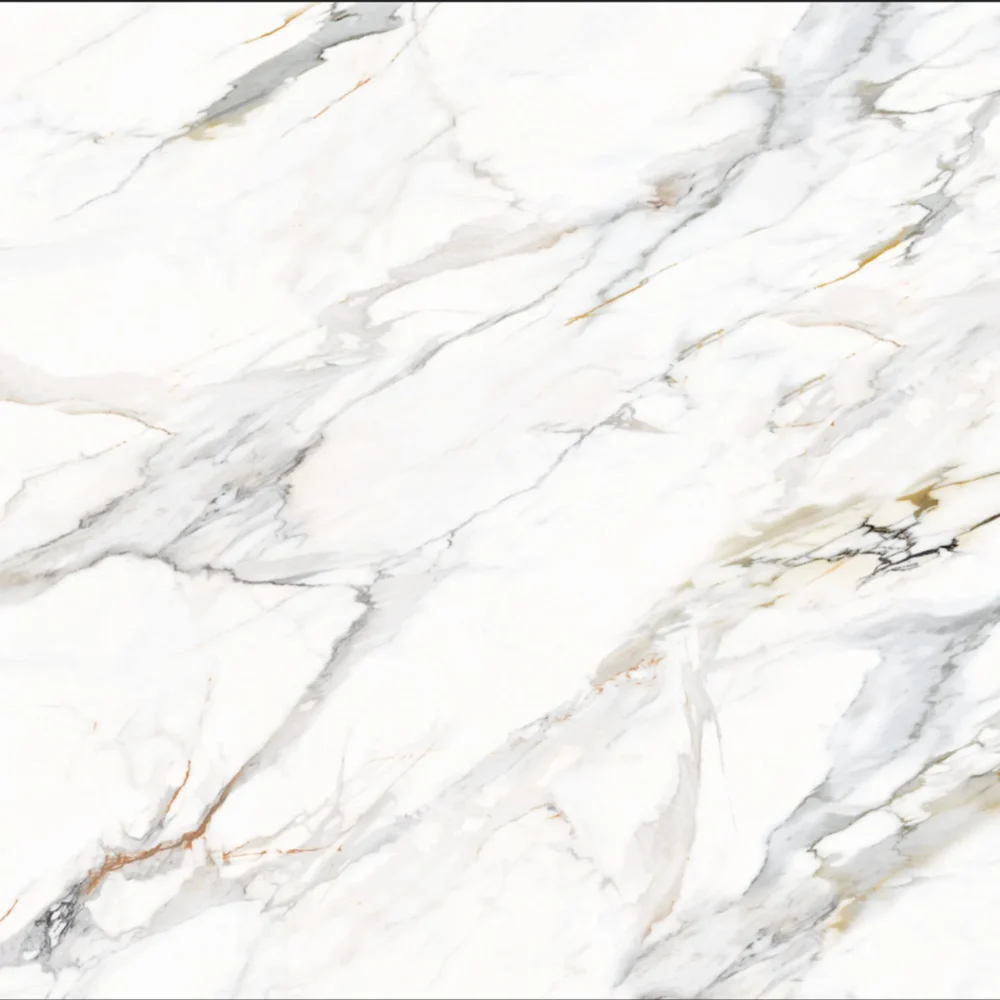
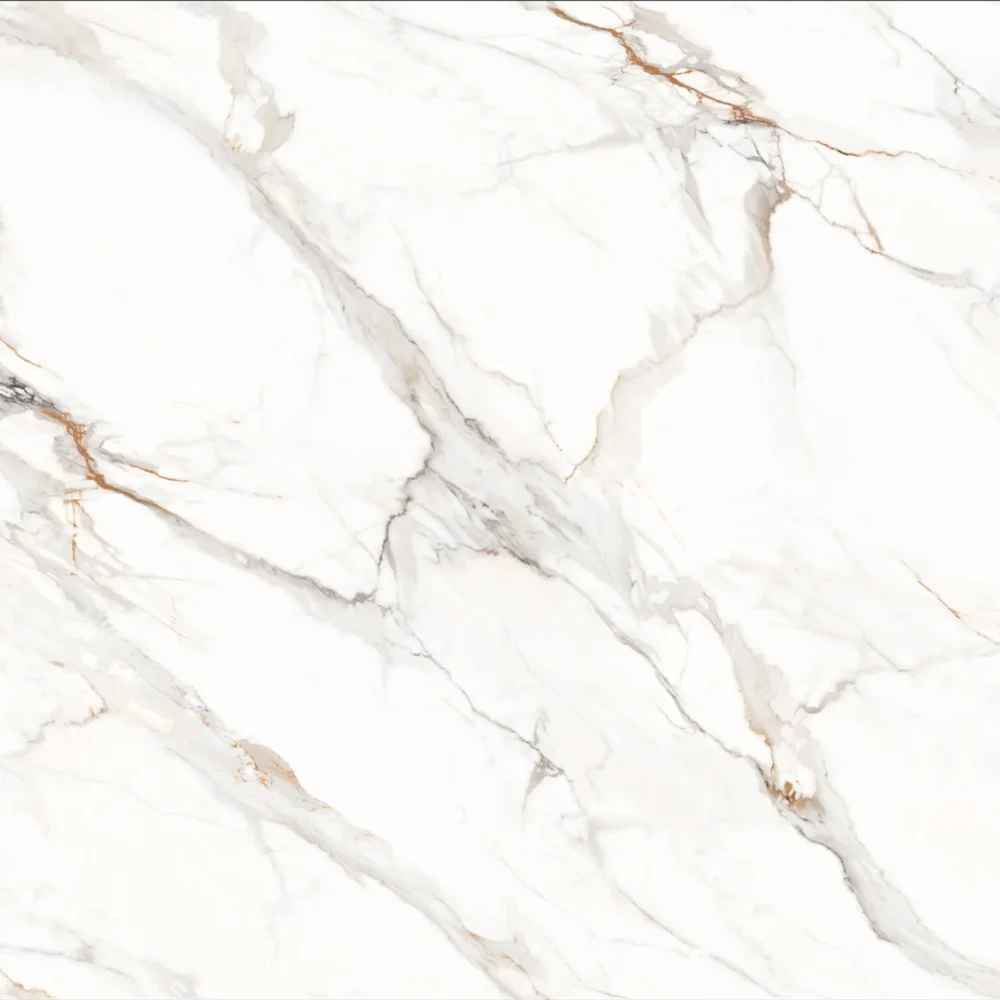
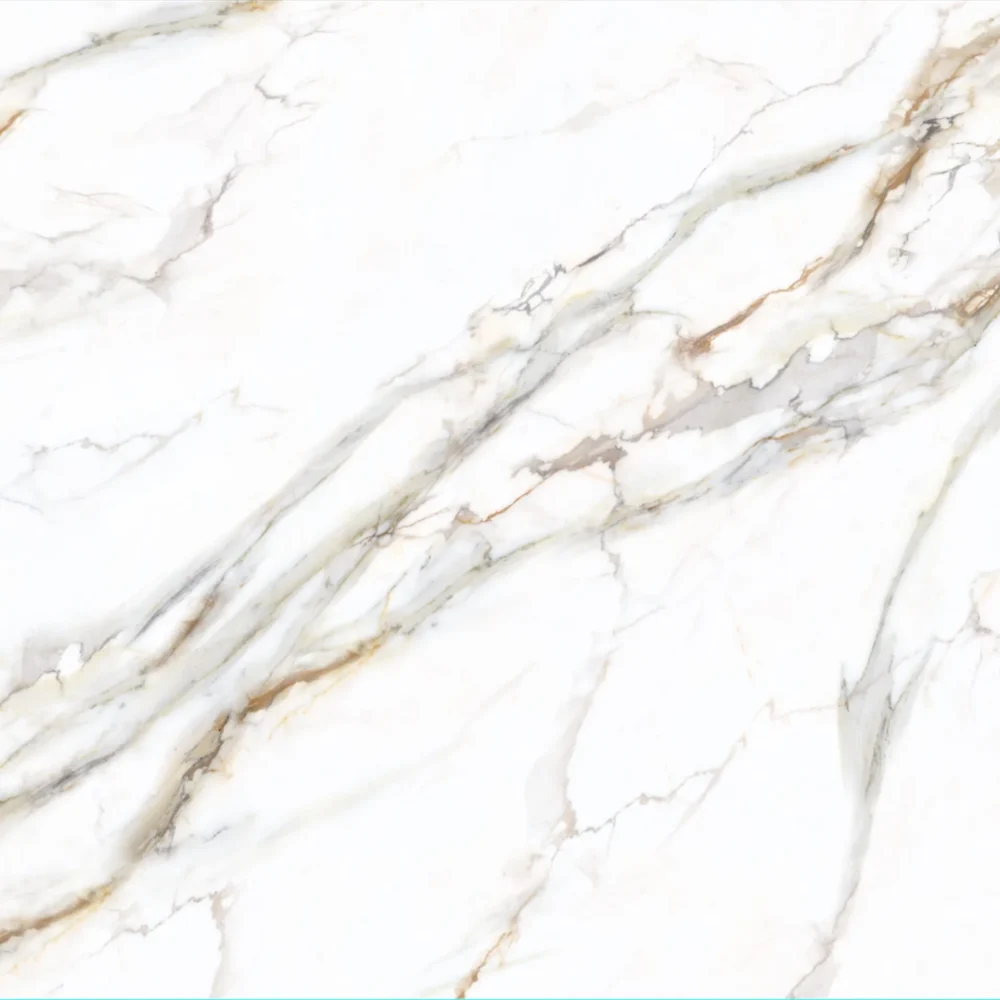
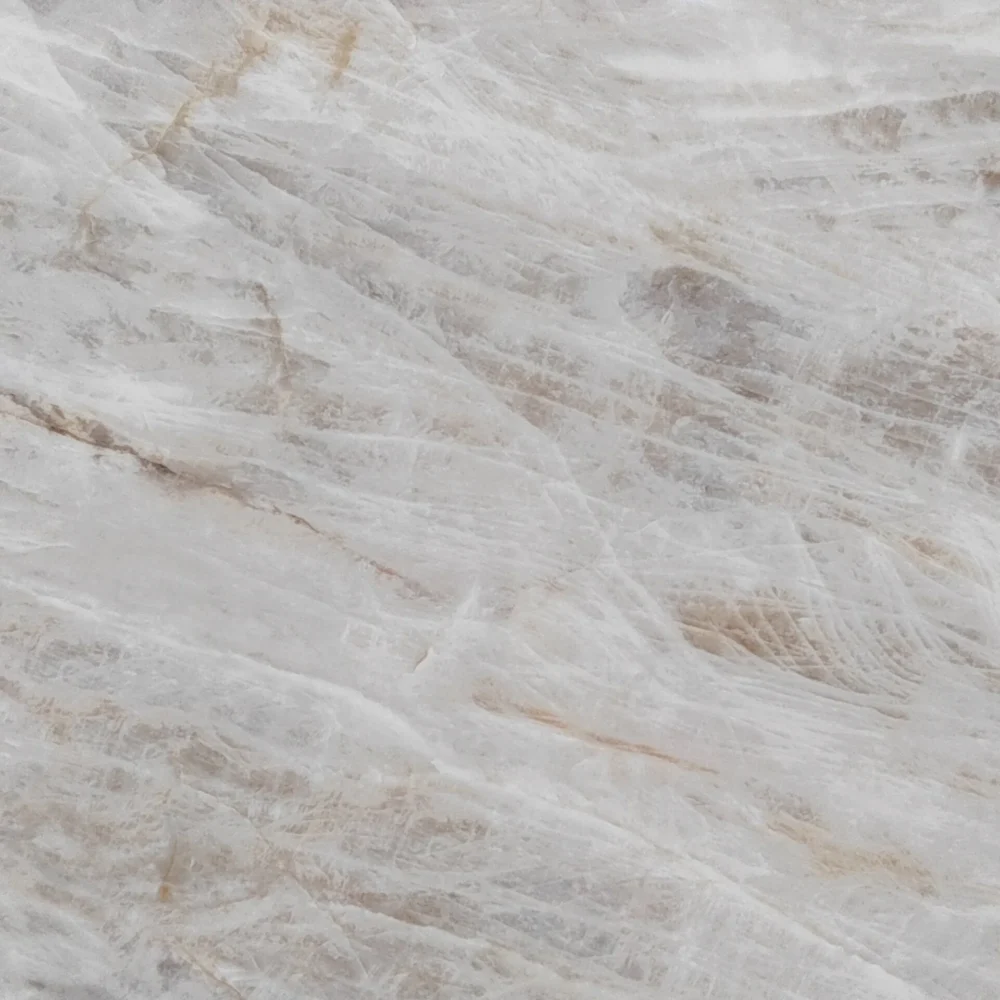
- Sparkling Gray Mirror Quartz Slabs GQ-FG515 for wholesale
Sparkling Gray Mirror Quartz Slabs GQ-FG515 for wholesale
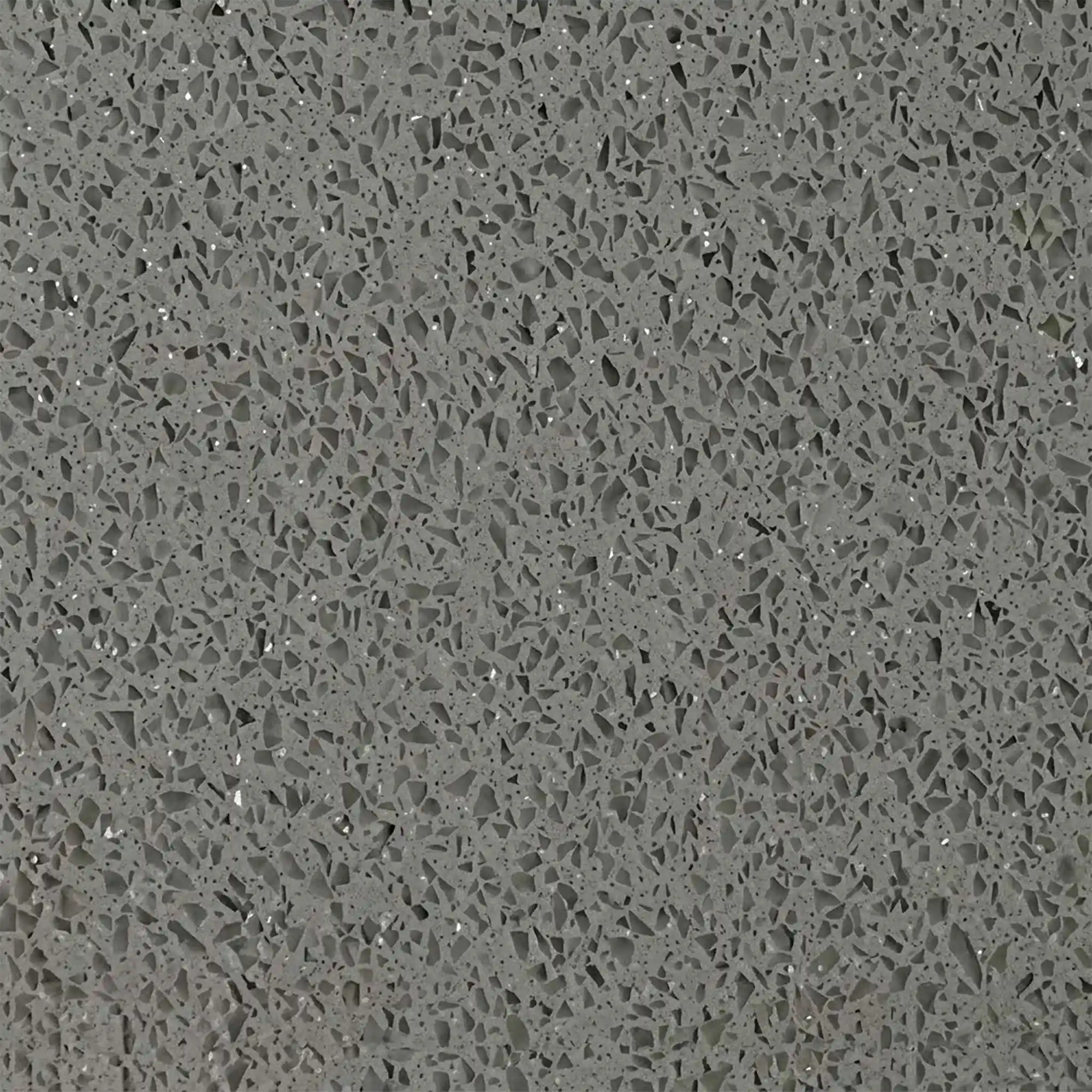
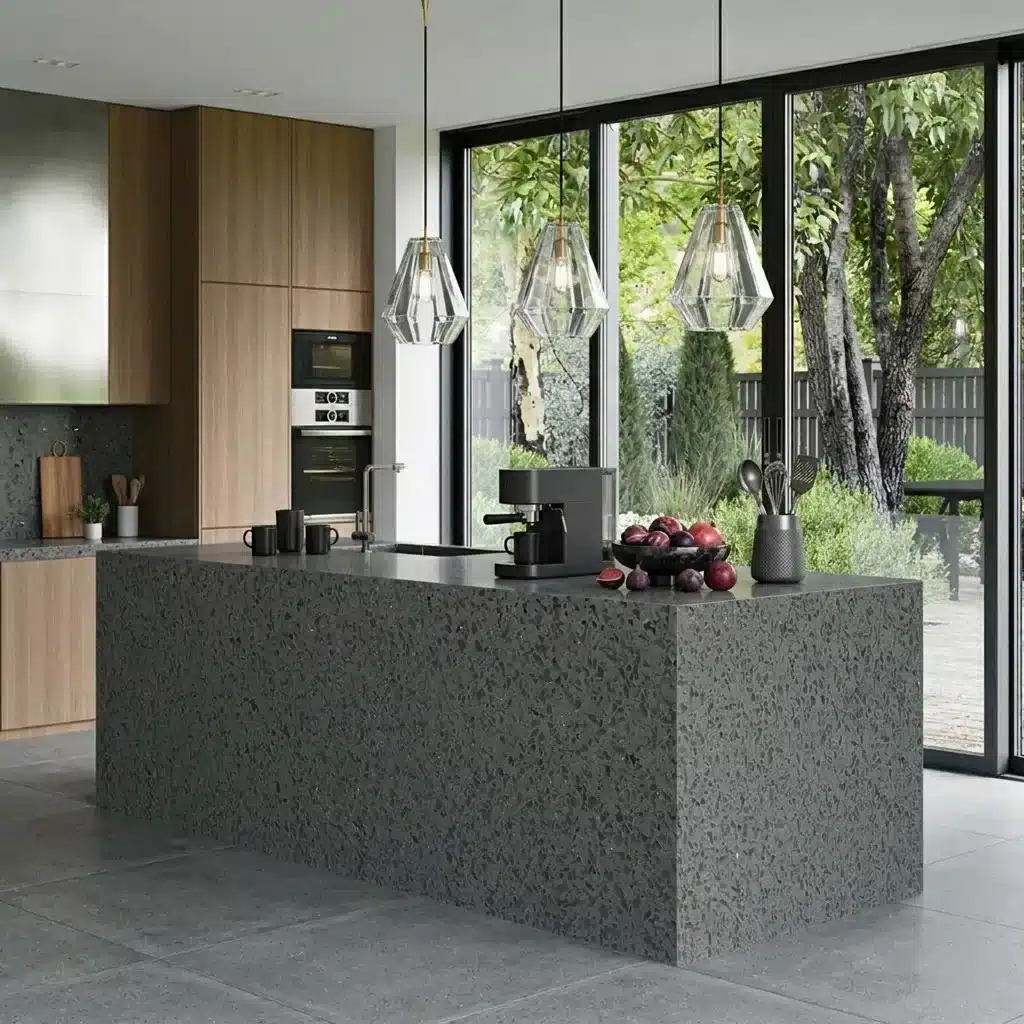
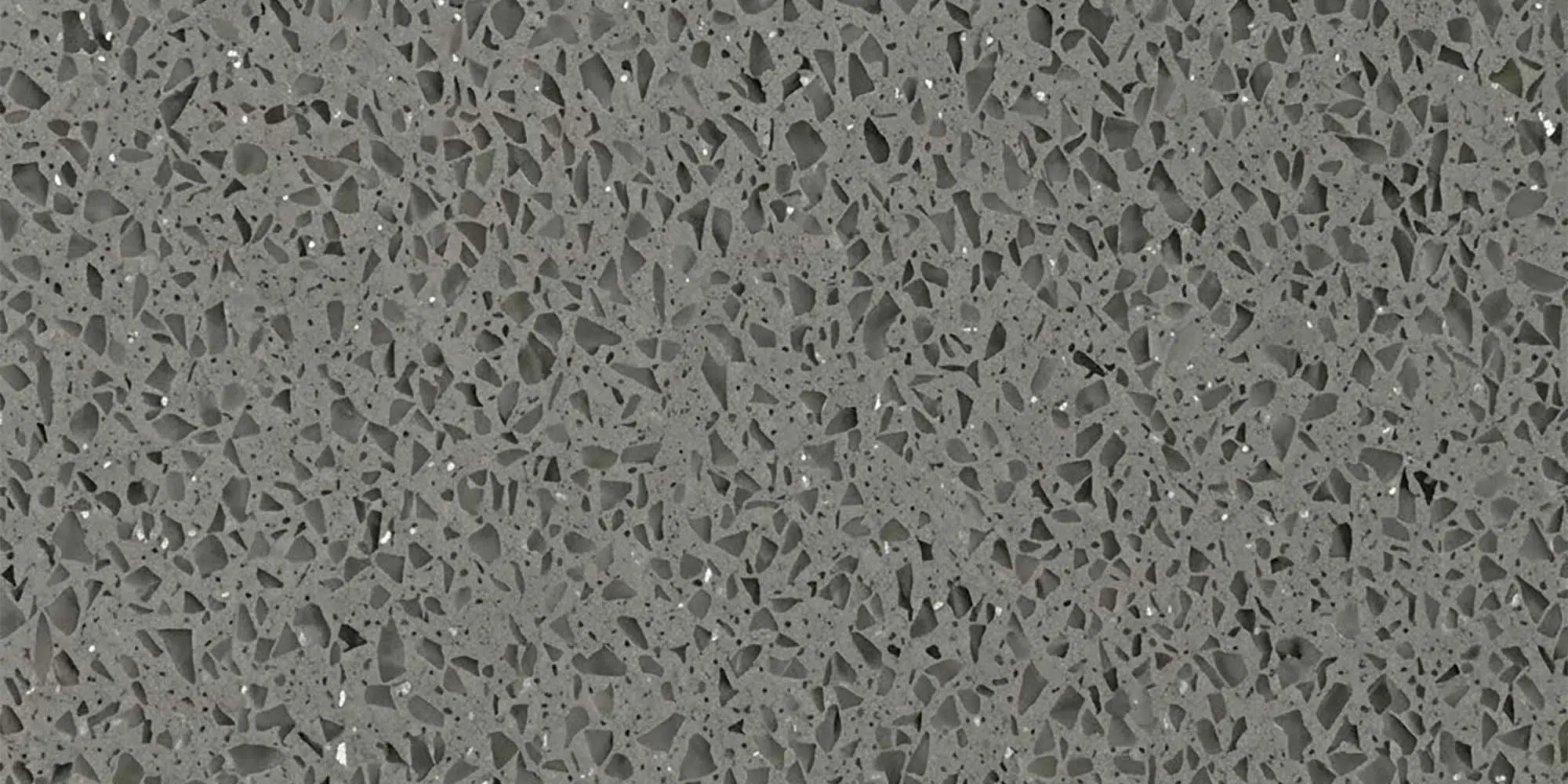
| Primary Color(s) | Dark Grey |
| Accent Color(s) | Mirror Flecks + Sparkling Silver |
| Craft | Regular |
| Finishes | Polished / Honed / Suede / Leathered |
| Customized Size | 138″ × 79″ / 126″ × 63″ / Customizable |
| Thickness | 20mm/30mm/Customizable |
| Edge Style | Eased polished edge/2+2cm laminated edge/Mitred edge |
| Full Body Quartz | Yes |
| Bookmatch Available | Yes |
| Place of Origin | Thailand |
| Port of Transportation | Thailand |
| Packaging | Foam or carton inside + strong wooden crates with reinforced straps outside and fumigation |
| Delivery time | 15-20 days / Express service is negotiable. |
| MOQ | 10 ㎡ |
| Payment terms | 30%T/T after confirm the order and the 70% T/T by copy of B/L |
| Countertops Residential: Yes Commercial: Yes |
| Wall Residential: Yes Commercial: Yes |
| Flooring Residential: Yes Commercial: Yes |
Description:
Frequently asked questions
Are Gray Quartz Countertops in Style? A Practical Guide for ?
Gray quartz countertops aren’t riding a trend—they’re holding steady because they work.
In real-world kitchens, especially with white cabinets or warm-toned wood, mid-tone grays like GQ-FG515 deliver balance without shouting.
But here’s what fabricators see daily: ultra-dark charcoal slabs with high-contrast veining show seam lines more, and polished finishes on deep grays grab fingerprints and smudges faster than expected.
Honed or lightly textured gray quartz hides wear better in high-traffic homes or rental units.
Also, lighting matters—cool LED fixtures can make a gray slab look bluish next to honey oak, while warm incandescents bring out its warmth.
Most contractors recommend pulling a full-size sample and staging it near your window and under your cabinet lights before ordering.
GQ-FG515 uses Full Body Printed Quartz tech, so the pattern runs through the slab—not just surface-deep—which helps with edge treatments and minimizes telegraphing on 3cm builds.
If you're bookmatching, keep in mind that low-variation grays align more forgivingly than busy patterns.
What color sink with white quartz countertops?
White quartz doesn’t dictate sink color—it reveals your design discipline.
Stainless steel remains the default for good reason: it’s durable, repairable, and reflects light without competing.
But brushed or matte finishes beat shiny chrome in real kitchens—less glare, fewer water marks.
Matte black sinks work well if your cabinetry is dark or your backsplash has strong contrast; just know they’ll highlight dust and require frequent wiping.
White porcelain farmhouse sinks soften the look but need careful alignment—any gap between sink rim and countertop shows more on white quartz than on darker surfaces.
Fabricators often caution against copper or brass sinks unless you’re committed to patina maintenance; those metals react unpredictably with cleaning products and can stain the quartz edge over time.
For GQ-FG515-style white quartz with subtle gray veining, a satin nickel or brushed bronze sink adds quiet warmth without overwhelming the field.
One practical note: avoid sinks with sharp, angular rims—those catch debris and are harder to seal cleanly against quartz.
What do we wish everybody knew about white quartz countertops?
White quartz looks clean in the showroom—but in actual use, it’s a spotlight on habits.
Water spots dry into faint halos on polished surfaces, especially under recessed lighting.
Dust settles visibly on honed whites, and coffee rings leave ghost marks if left overnight—even though quartz is non-porous.
Most installers will tell you: white quartz edges chip easier during fabrication if not supported properly, and 2cm builds need extra care around cutouts.
UV exposure matters too—some resin systems yellow over time in sun-drenched breakfast nooks, especially near sliding glass doors.
GQ-FG515 uses low-silica, NSF-certified resin, which reduces yellowing risk and improves consistency across large orders.
But even then, undertones shift: a slab that reads warm in the warehouse may look cool under your kitchen’s LED strip.
Always test a 12×12 sample *in place*, not just on a lightbox.
And don’t assume ‘white’ means uniform—some slabs have micro-flecking or soft veining that breaks up monotony; others read flat and sterile.
It’s not about avoiding white quartz—it’s about choosing the right version for how you live.
What is quartz countertops vs granite?
Quartz and granite solve different problems.
Granite is natural—each slab tells a story, but also carries surprises: hidden fissures, inconsistent hardness, and porosity that demands sealing every 6–12 months.
Acidic spills etch it fast, and heat from hot pans can damage the sealer layer.
Quartz is engineered, so it’s predictable: consistent density, no sealing, and better resistance to staining and scratching *under normal use*.
But it’s not indestructible—thermal shock from direct oven heat or heavy impact on unsupported overhangs can crack it.
Fabricators prefer quartz for tight timelines and complex edge profiles because it cuts cleaner and doesn’t require wet saws for every pass.
That said, granite still wins where authenticity matters—like historic renovations or custom fireplace surrounds.
GQ quartz slabs are made in Thailand with full-body printing, so patterns hold up through edge polishing and mitered corners.
Lead times are usually shorter than exotic granites, and freight is more stable since it’s not subject to quarry delays.
The real tradeoff isn’t cost—it’s control versus character.
Choose quartz when you need reliability across dozens of units.
Choose granite when one-of-a-kind variation is the goal—and you’re ready to maintain it.