



- Home
- Quartz
- Quartz Slabs
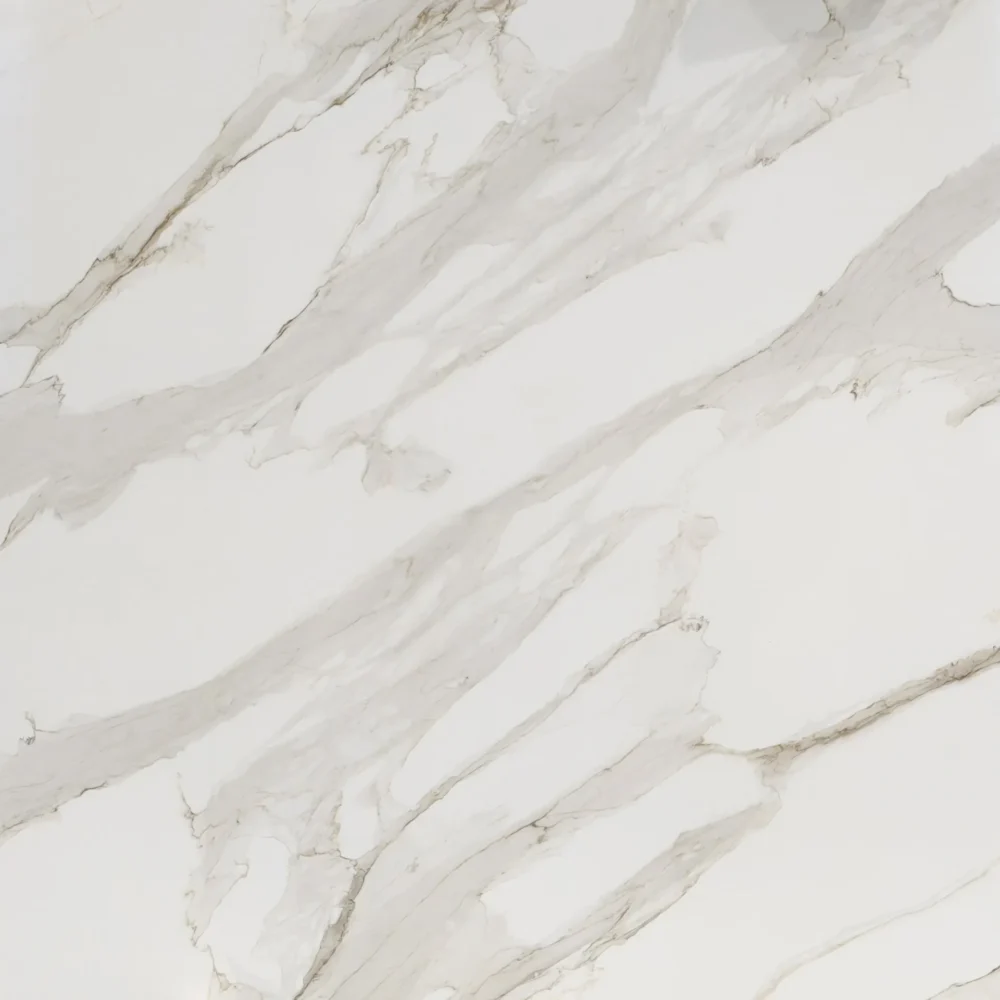
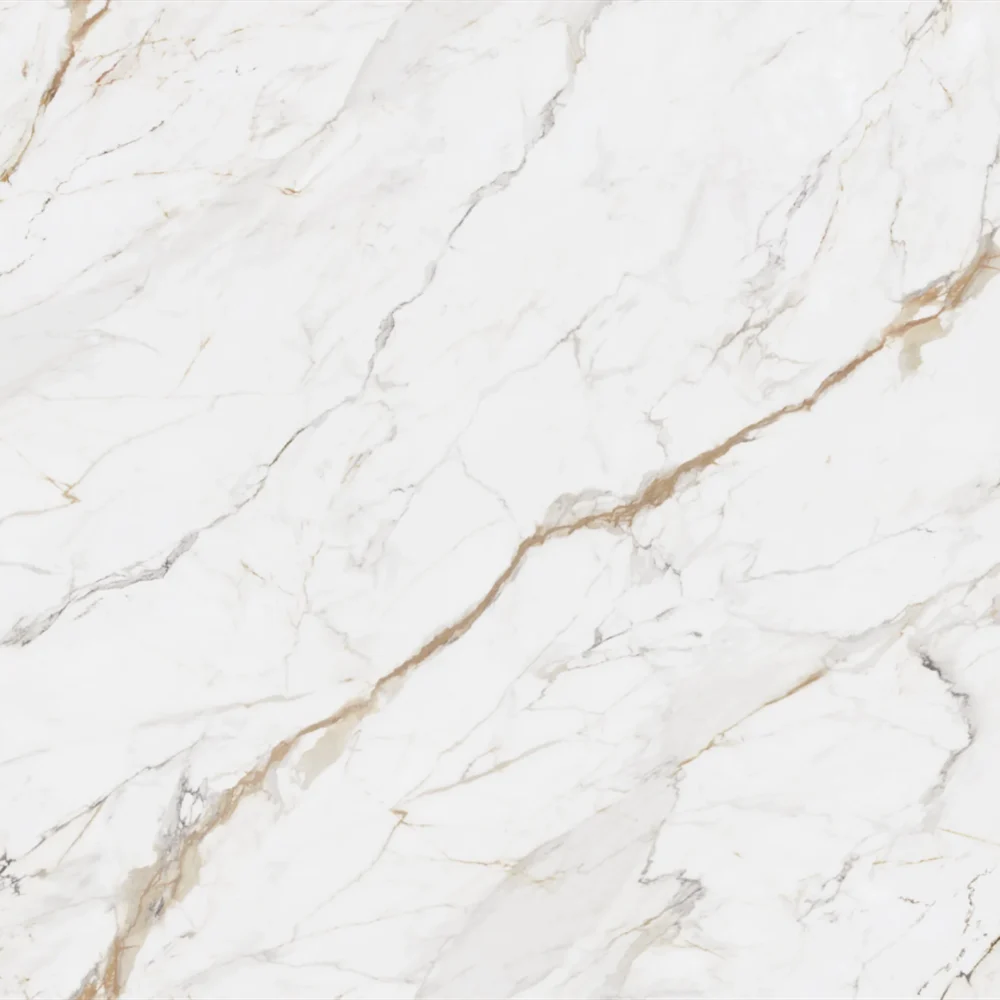
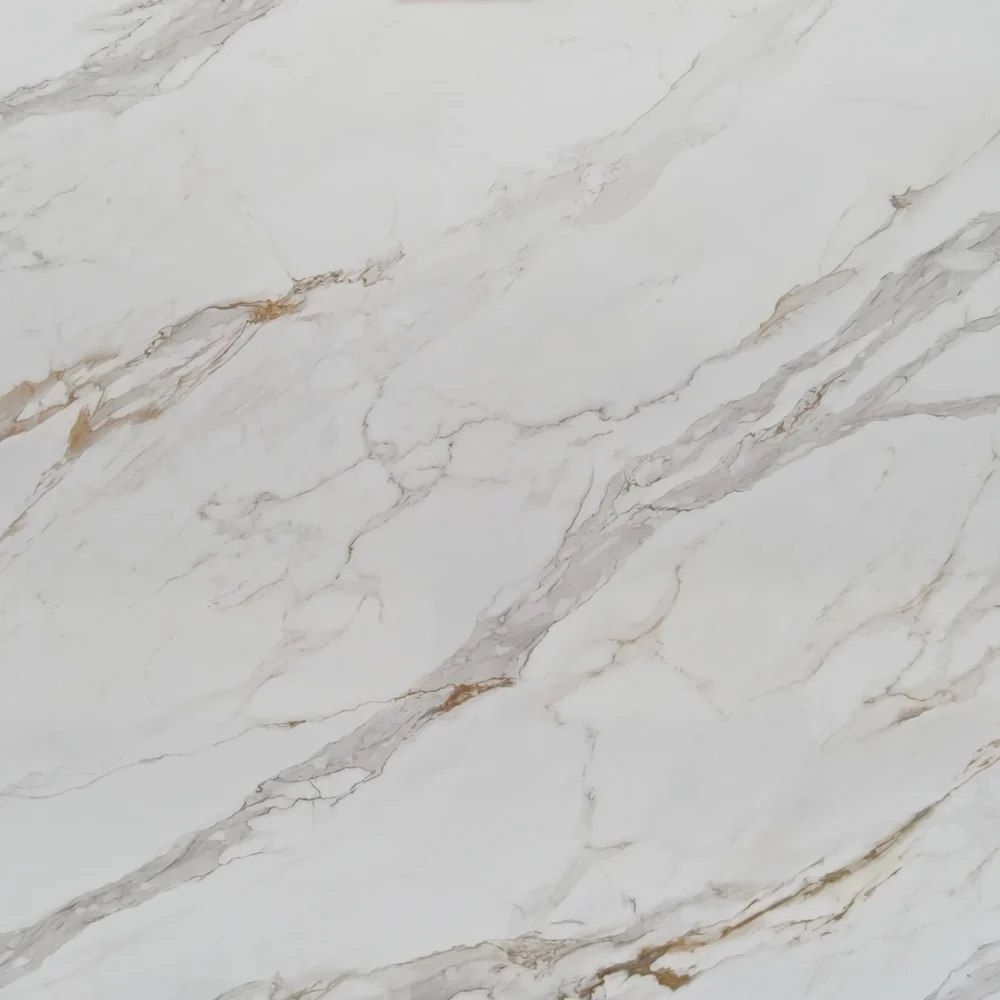
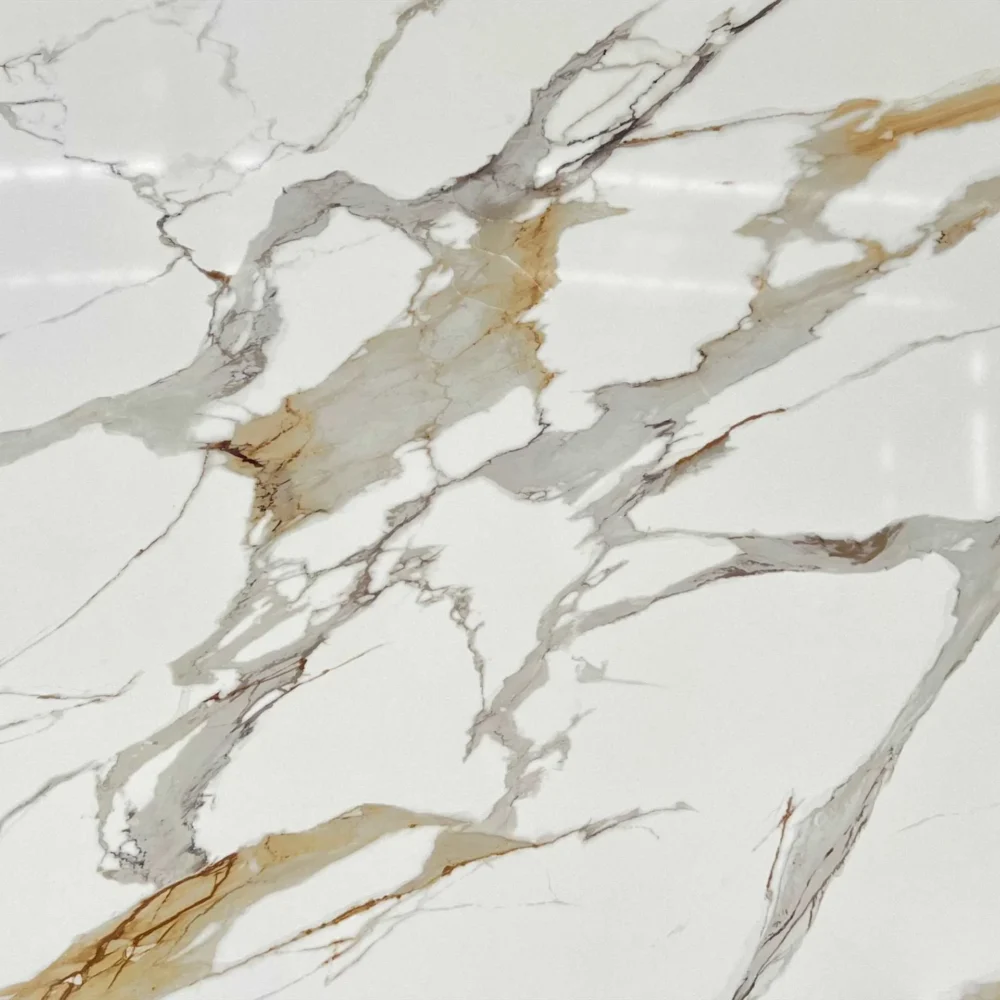
- Striato White Travertine Quartz Slab GQ-T608 for Wholesale
Striato White Travertine Quartz Slab GQ-T608 for Wholesale
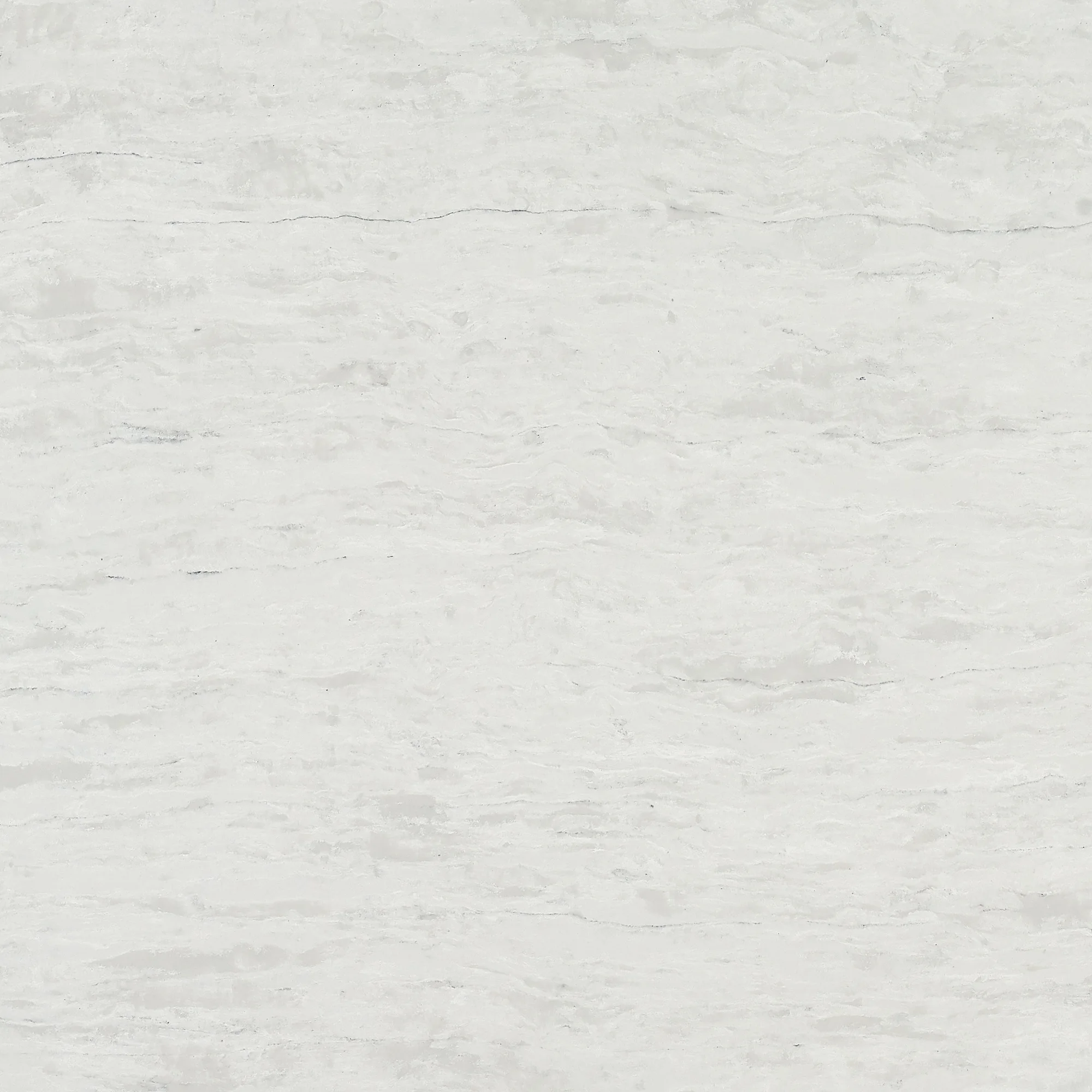
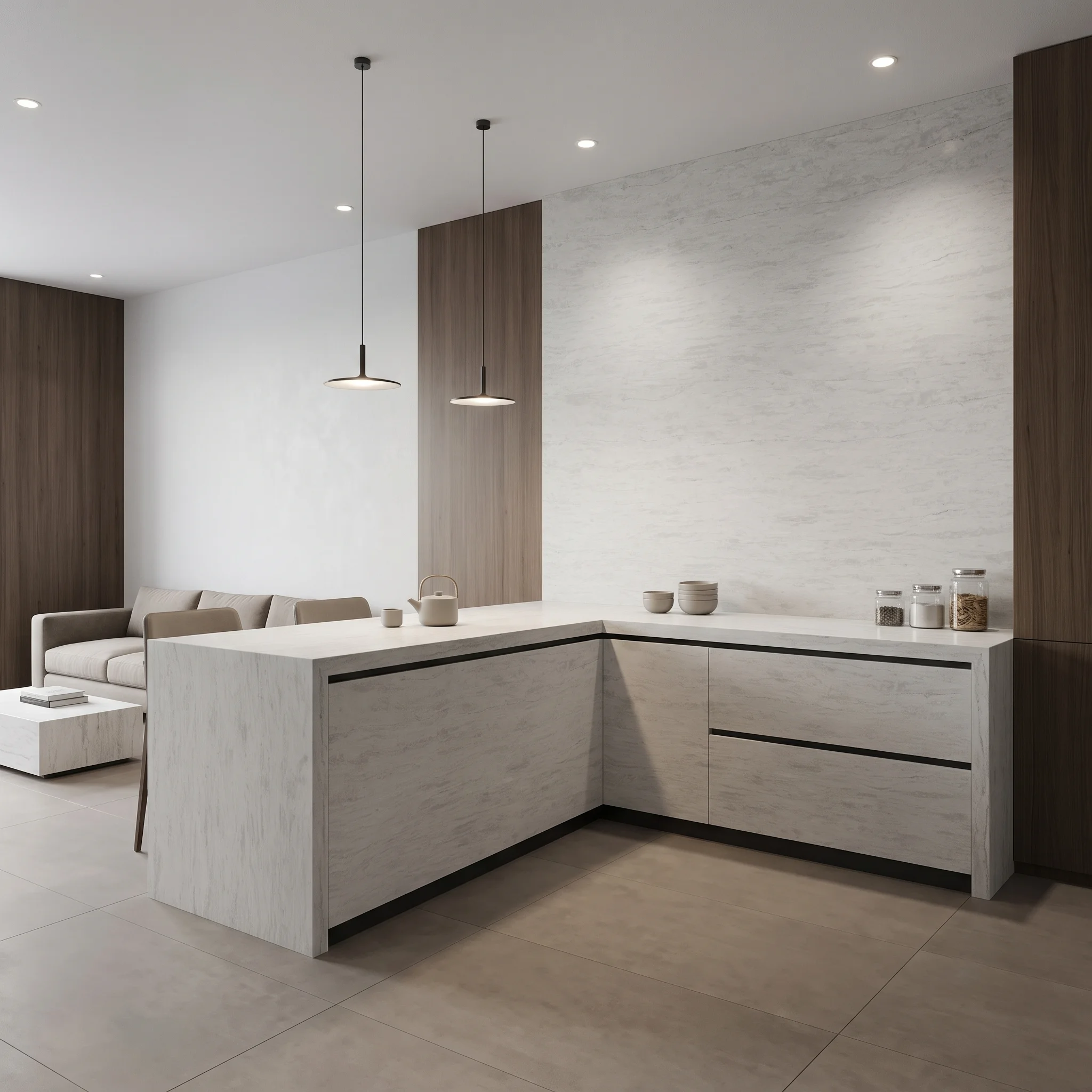
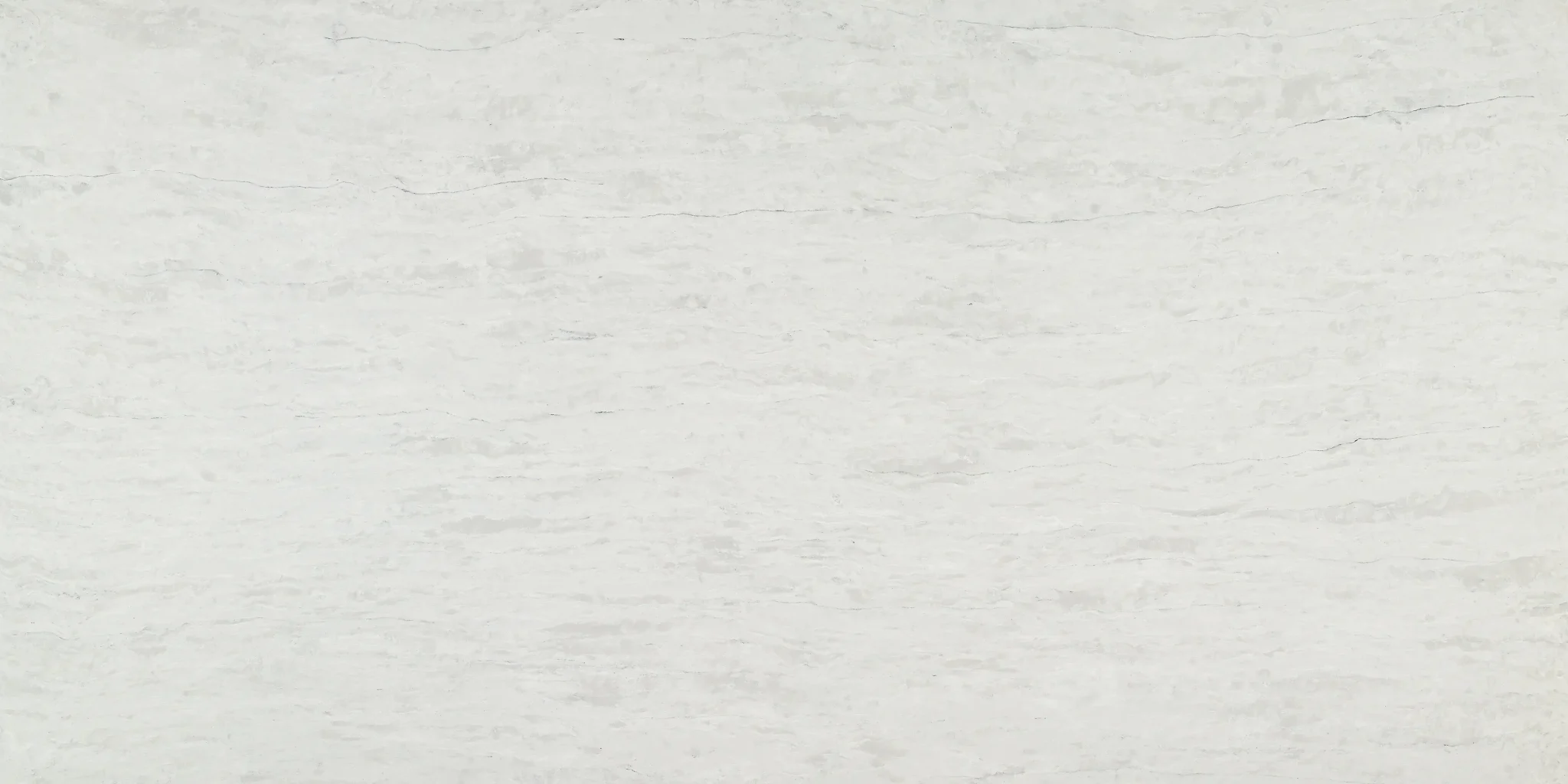
| Primary Color(s) | Soft Cool White |
| Accent Color(s) | Extremely Faint Silver-Grey Linear Vein |
| Craft | Regular |
| Finishes | Polished / Honed / Suede / Leathered |
| Customized Size | 138″ × 79″ / 126″ × 63″ / Customizable |
| Thickness | 20mm/30mm/Customizable |
| Edge Style | Eased polished edge/2+2cm laminated edge/Mitred edge |
| Country | Thailand |
| Full Body Quartz | Yes |
| Bookmatch Available | Yes |
| Countertops Residential: Yes Commercial: Yes |
| Wall Residential: Yes Commercial: Yes |
| Flooring Residential: Yes Commercial: Yes |
Description:
Frequently asked questions
What color is white travertine?
White travertine isn’t a single color—it’s more of a range.
In real-world applications, it’s usually off-white or creamy white with soft beige undertones, often streaked with subtle gray or light brown veining.
The color can vary a lot depending on the source and how it’s finished.
Some pieces can appear almost pure white—especially in honed finishes—while most still carry a natural warmth that engineered stone has traditionally struggled to match. With GQ’s 3I technology, that distinction has been pushed further, achieving a level of realism where natural stone and engineered quartz are increasingly difficult to tell apart.
If you’re looking at a product called ‘Linear White Travertine Quartz,’ it’s likely designed to mimic that creamy, slightly aged look, not a stark, sterile white.
Wholesalers and engineering contractors usually recommend checking the actual slab in person because digital images rarely capture the depth of tone.
Also, remember that some white travertine slabs can yellow over time if exposed to UV light or harsh cleaners—this is why many fabricators prefer engineered quartz with full-body printing for consistent color retention.
Grand Quartz Tech’s printed quartz slabs, for example, use full-body technology to lock in color from edge to edge, minimizing fading and ensuring uniformity across large installations.
Is there such a thing as white travertine?
Yes, but it’s not what most people expect.
Natural white travertine exists, but it’s rare and usually not pure white—more often it’s off-white or cream with light veining.
It’s also softer than other stones, so it scratches and stains more easily, especially if not sealed regularly.
In practice, many homeowners and contractors who ask about ‘white travertine’ are actually looking for a quartz that mimics the look.
Engineered quartz like Linear White Travertine Quartz offers that same warm and organic feel.
Most fabricators will tell you that natural travertine needs constant sealing and is prone to etching from acidic substances—think lemon juice or vinegar.
Quartz, on the other hand, handles those better and doesn’t need sealing.
Grand Quartz Tech produces full-body printed quartz that captures the texture and subtle variations of real travertine, including linear veining and porous-looking surfaces, but without the upkeep.
That said, if you’re set on real travertine, expect more work and potential issues in high-traffic areas.
For durability and consistency, engineered versions are the safer bet.
What is white dolomite stone?
White dolomite is a natural sedimentary rock, similar to limestone but with higher magnesium content.
It’s typically light gray to off-white, sometimes with a soft blue or green tint, and it often has a slightly coarse, grainy texture.
In its raw form, it’s porous and needs regular sealing, which can be a pain in kitchens or bathrooms.
It’s also softer than granite or quartz, so it scratches and etches more easily—especially under acidic substances like wine or citrus.
Many fabricators avoid it in high-use areas for that reason.
When you see ‘Aurelius White Dolomite Quartz,’ it’s likely an engineered quartz product designed to look like the real stone, but with better durability and less maintenance.
Engineered versions use full-body printing to mimic the subtle veining and color shifts of real dolomite, but without the porosity or staining risks.
Grand Quartz Tech, for example, produces quartz slabs with low-silica formulas that reduce dust and handling hazards in fabrication shops—important when working with large or jumbo slabs.
So while real dolomite has a certain rustic charm, most professionals recommend engineered alternatives for long-term performance, especially in commercial or residential kitchens.
Is travertine out of style in 2026?
No—travertine is not out of style in 2026.
In fact, over the past 1–2 years it has been moving in the opposite direction: back into high-end design. What’s changed is how it’s being used. Instead of the heavily filled, overly uniform look that felt more “commercial luxury” a few years ago, designers are now leaning into travertine’s natural character—subtle pores, layered movement, and warm neutral tones.
At the same time, materials with more surface depth and geological texture are gaining momentum. Travertine-look finishes and quartzite-look patterns in particular have become increasingly popular in premium residential and hospitality projects. The trend is shifting away from flat, minimal surfaces toward stones that feel more “alive” and dimensional under light.
So rather than being outdated, travertine is part of a broader return to textured, natural-looking materials—often paired with quartzite-inspired designs to create a more layered and high-end visual language.