



- Home
- Quartz
- Quartz Slabs
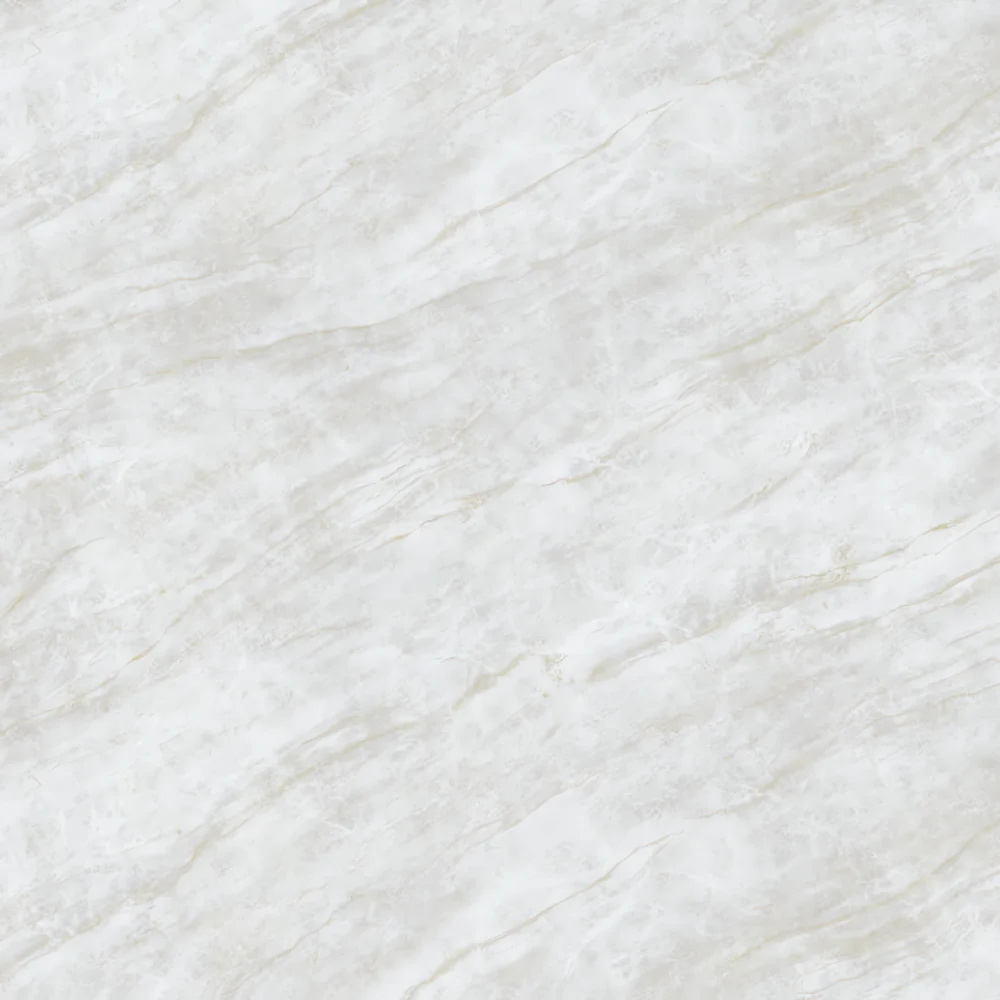
- Super White Quartz Big Slabs GQ-T280 for wholesale
Super White Quartz Big Slabs GQ-T280 for wholesale
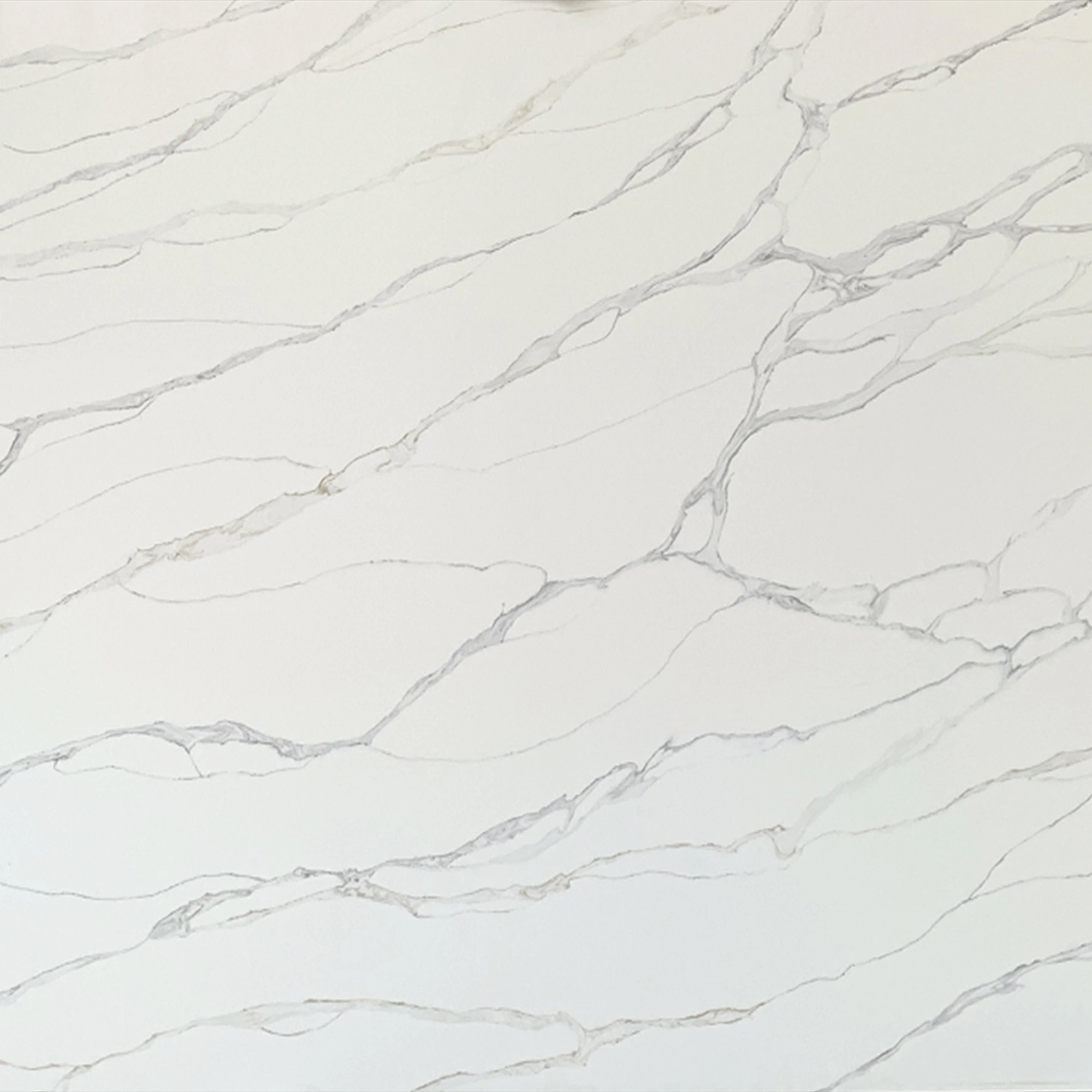
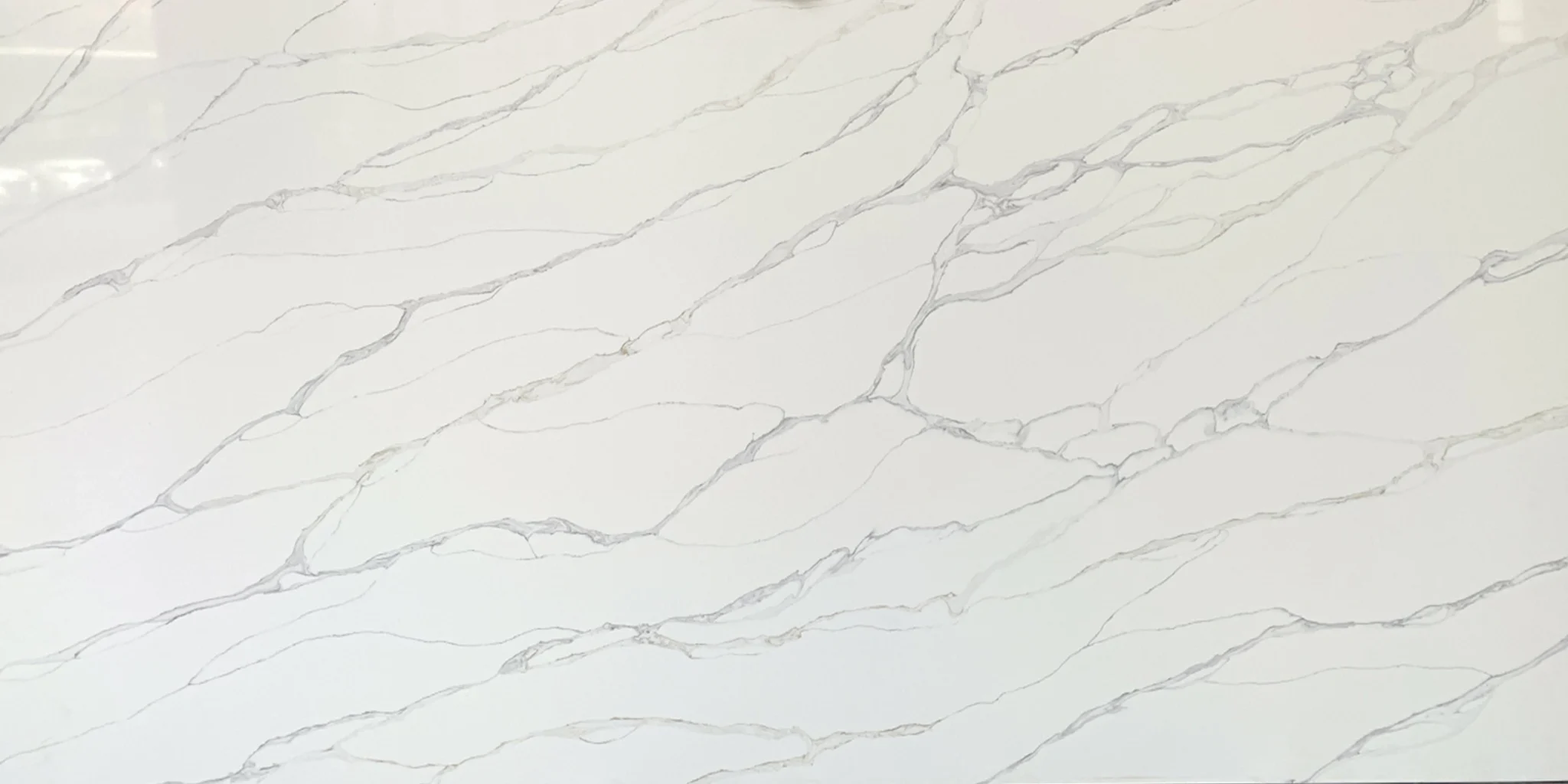
| Primary Color(s) | Bright White |
| Accent Color(s) | Soft Grey + Charcoal Grey Veining |
| Craft | Regular |
| Finishes | Polished / Honed / Suede / Leathered |
| Customized Size | 138″ × 79″ / 126″ × 63″ / Customizable |
| Thickness | 20mm/30mm/Customizable |
| Edge Style | Eased polished edge/2+2cm laminated edge/Mitred edge |
| Full Body Quartz | Yes |
| Bookmatch Available | Yes |
| Place of Origin | Thailand |
| Port of Transportation | Thailand |
| Packaging | Foam or carton inside + strong wooden crates with reinforced straps outside and fumigation |
| Delivery time | 15-20 days / Express service is negotiable. |
| MOQ | 10 ㎡ |
| Payment terms | 30%T/T after confirm the order and the 70% T/T by copy of B/L |
| Countertops Residential: Yes Commercial: Yes |
| Wall Residential: Yes Commercial: Yes |
| Flooring Residential: Yes Commercial: Yes |
Description:
Frequently asked questions
What is the most popular white quartz countertop?
There’s no single 'most popular' white quartz—it depends on who you ask and where.
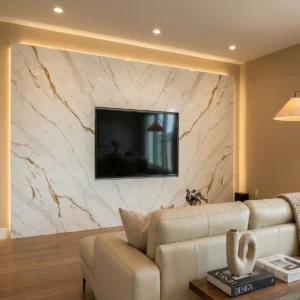
Fabricators in residential markets consistently reach for warm white slabs with soft, irregular veining—especially those mimicking Calacatta marble.
These tend to have creamy bases with gold, beige, or light gray movement—not stark white.
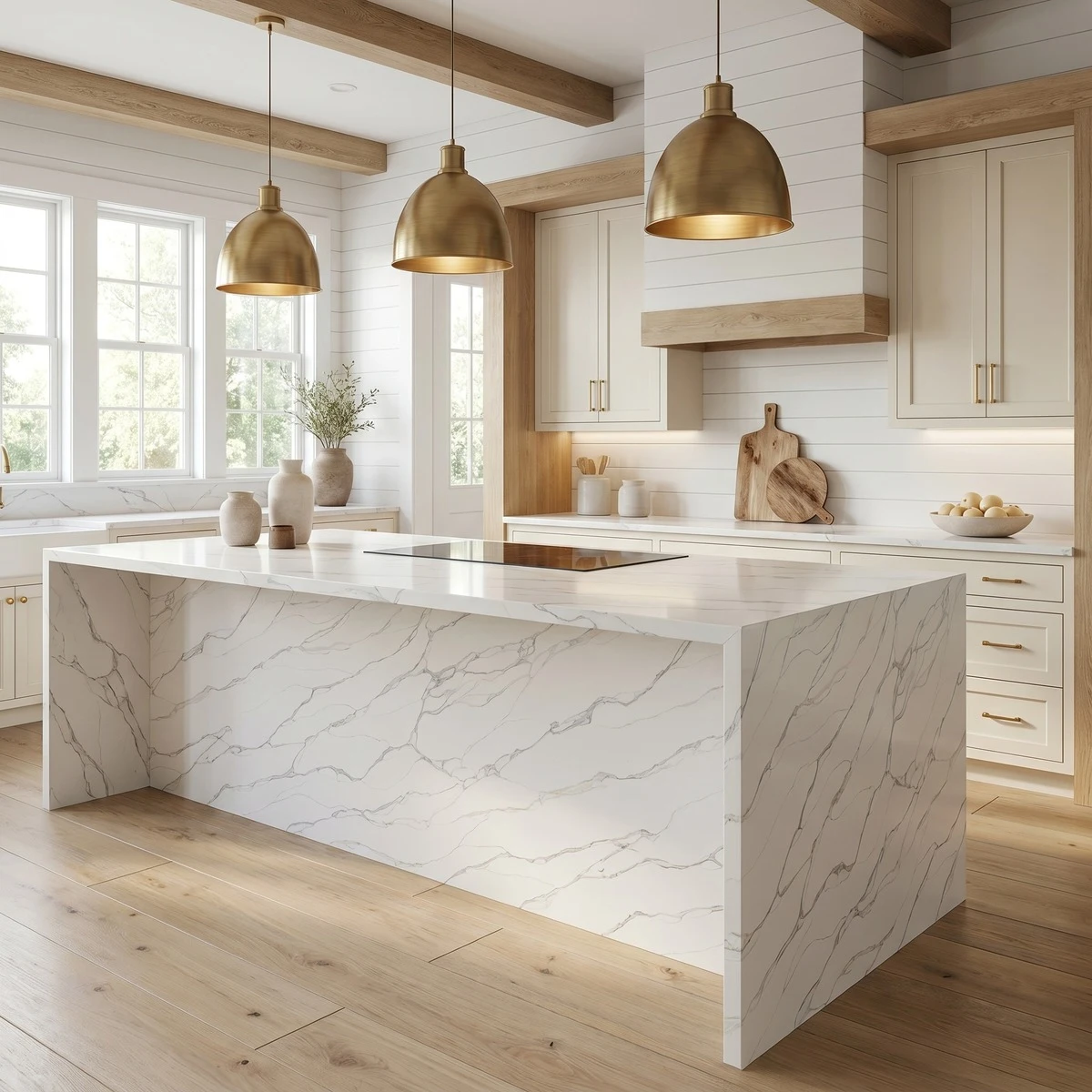
That warmth plays well with natural wood cabinets, brass fixtures, and ambient lighting.
In commercial kitchens and multi-family projects, simpler whites with tighter veining or subtle texture often win out—easier to bookmatch, less seam telegraphing, and more forgiving under harsh overhead lights.
Polished finishes dominate showrooms, but honed or matte versions are gaining traction in hospitality for reduced smudge visibility.
Real-world performance matters more than trend reports: slab consistency across batches, edge detail retention during fabrication, and how the pattern reads at 3cm thickness all affect what actually gets specified.
Grand Quartz Tech’s marble-look line uses full-body printed technology, so the veining runs deep—not just surface-deep—which helps with mitered edges and heavy fabrication.
What do we wish everyone knew about white quartz?
White quartz isn’t a color—it’s a behavior.
Most white slabs shift tone depending on lighting, finish, and surrounding materials.
A polished warm white can look yellowish under halogen, cool under LED, and flat in north-facing light.
And 'white' doesn’t mean uniform: even within one SKU, you’ll see variation in vein density, contrast, and undertone—especially across jumbo slabs.
That’s not inconsistency—it’s how printed quartz behaves when scaled up.
Installers will tell you that seams on busy white patterns are harder to hide than on solid colors, and bookmatching requires extra slab planning.
Also, acidic cleaners like vinegar or lemon-based sprays *will* etch polished surfaces over time—no sealing needed, but pH-neutral cleaning is non-negotiable.
Smudges show worse on dark veining against light backgrounds, and UV exposure can subtly shift pigments in some resin systems after years of direct sun.
Always test full-size samples in your actual space, under your lighting, before locking in a selection.
What color is calacatta white quartz?
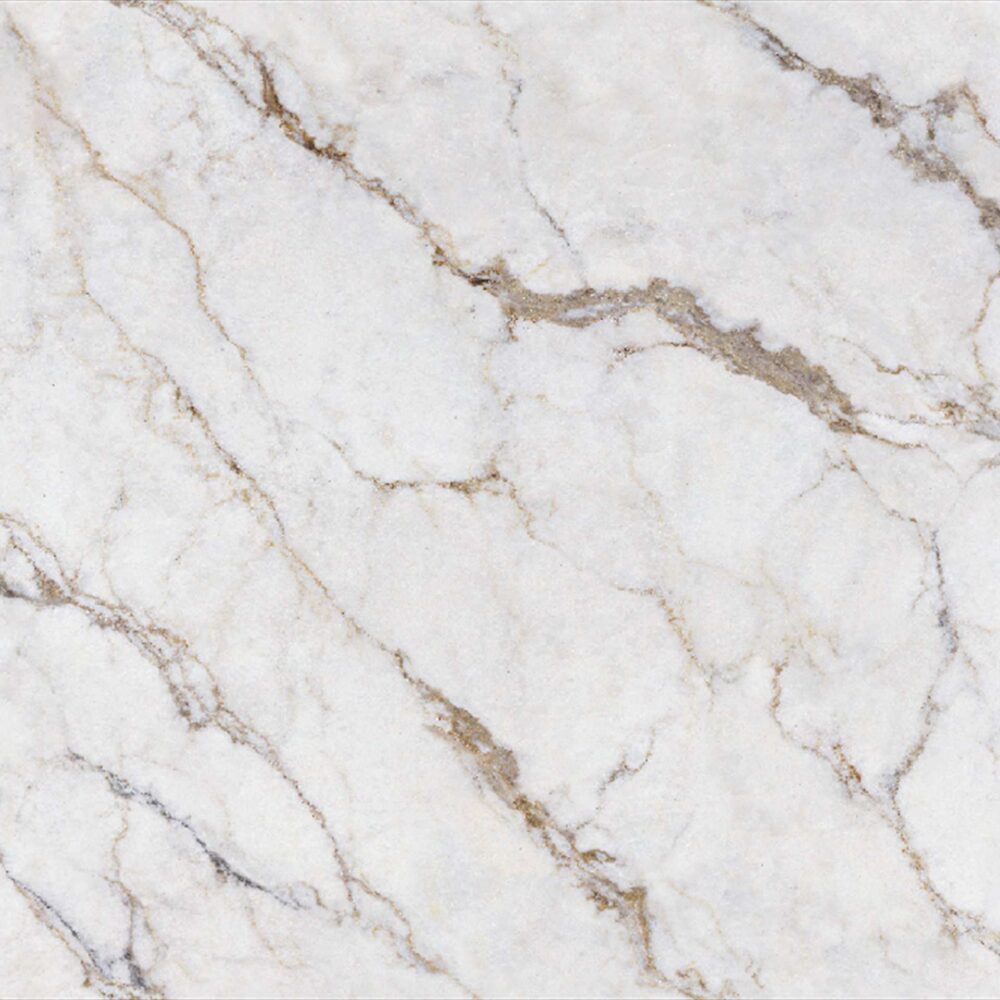
Calacatta white quartz isn’t white—it’s warm.
Think ivory, oat, or parchment base with veins that range from toasted gold to greige, sometimes with faint tan or brown undertones.
The contrast between base and vein varies by batch and production run; some slabs read cooler if the veining leans gray, others richer if gold dominates.
That warmth is intentional—it mirrors natural Calacatta marble’s response to light and material context.
In kitchens with honey oak or brushed brass, it reads as rich and grounded.
Against cool grays or matte black fixtures, it can feel softer, almost neutral.
But it won’t deliver crisp, clinical white.
If you need true brightness, go for a low-contrast, minimally veined option instead.
Grand Quartz Tech prints these patterns using full-body technology, so the vein structure holds through the slab thickness—critical when fabricating waterfall islands or thick edges where cut faces expose the interior.
That also means less risk of mismatched seams when bookmatching across large spans.
Does white quartz have gold in it?
No—there’s zero metallic gold in any engineered quartz slab.
What looks like gold veining is pigment suspended in resin, usually iron oxide or titanium-based compounds mixed into the quartz aggregate before pressing.
It’s designed to mimic the optical effect of real marble veins—not replicate metal content.
That pigment sits in the binder matrix, so it won’t tarnish, flake, or react to moisture or cleaners.
But here’s what matters in practice: pigment stability varies by manufacturer and resin system.
Some formulations yellow slightly under prolonged UV exposure, especially near south-facing windows.
Others hold tone better because they use UV-stable pigments and low-silica, high-density pressing.
Grand Quartz Tech runs dedicated low-silica production lines and uses NSF-certified resins—so pigment integrity is built into the process, not just added on top.
Still, no pigment is truly immune to decades of light and heat.
If gold veining is critical to your design, get physical samples and monitor them in situ for at least two weeks before ordering.
-1000x1000.webp)