



- Home
- Quartz
- Quartz Slabs
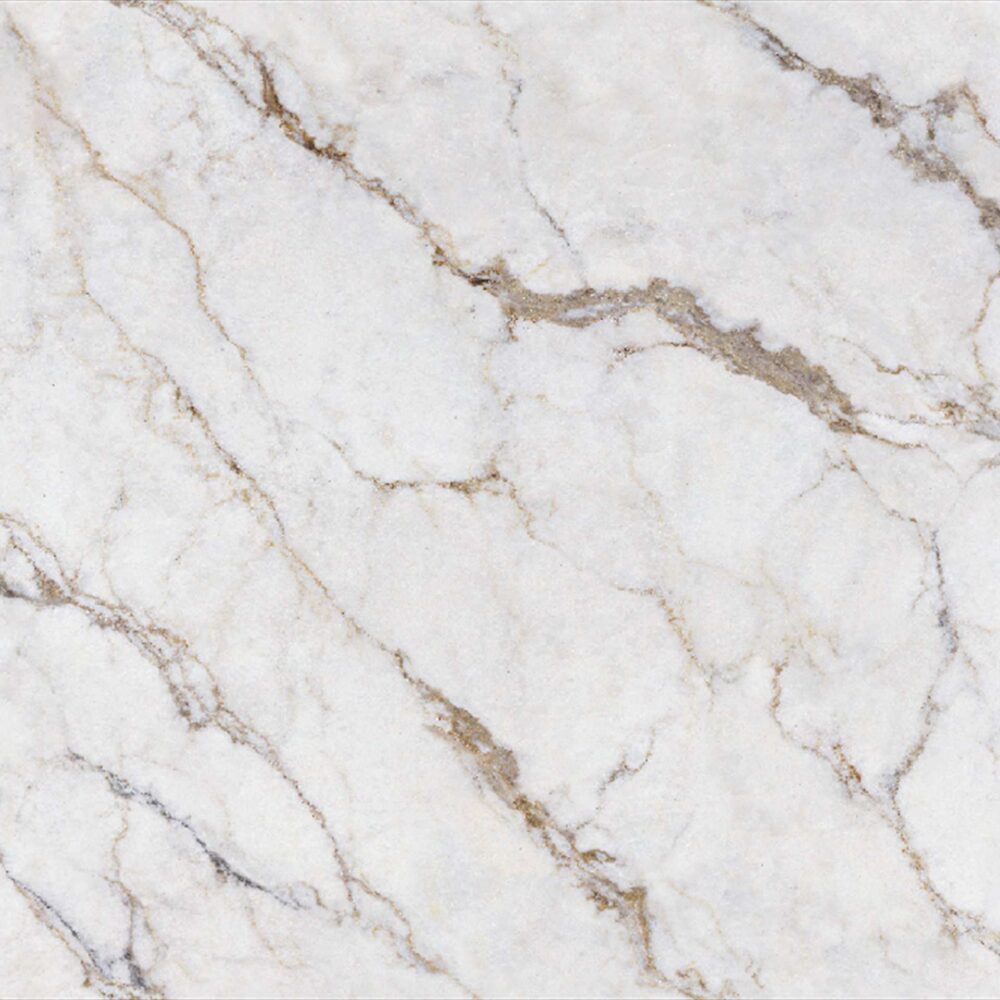
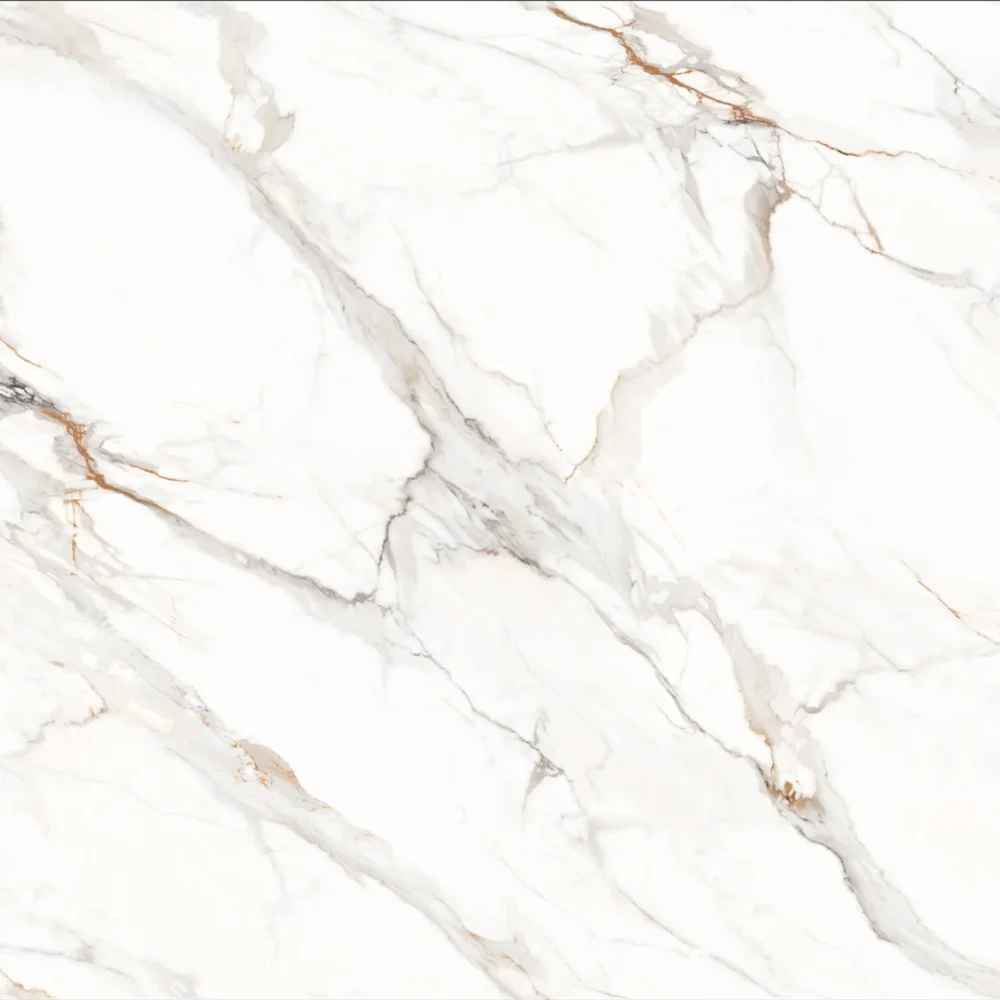
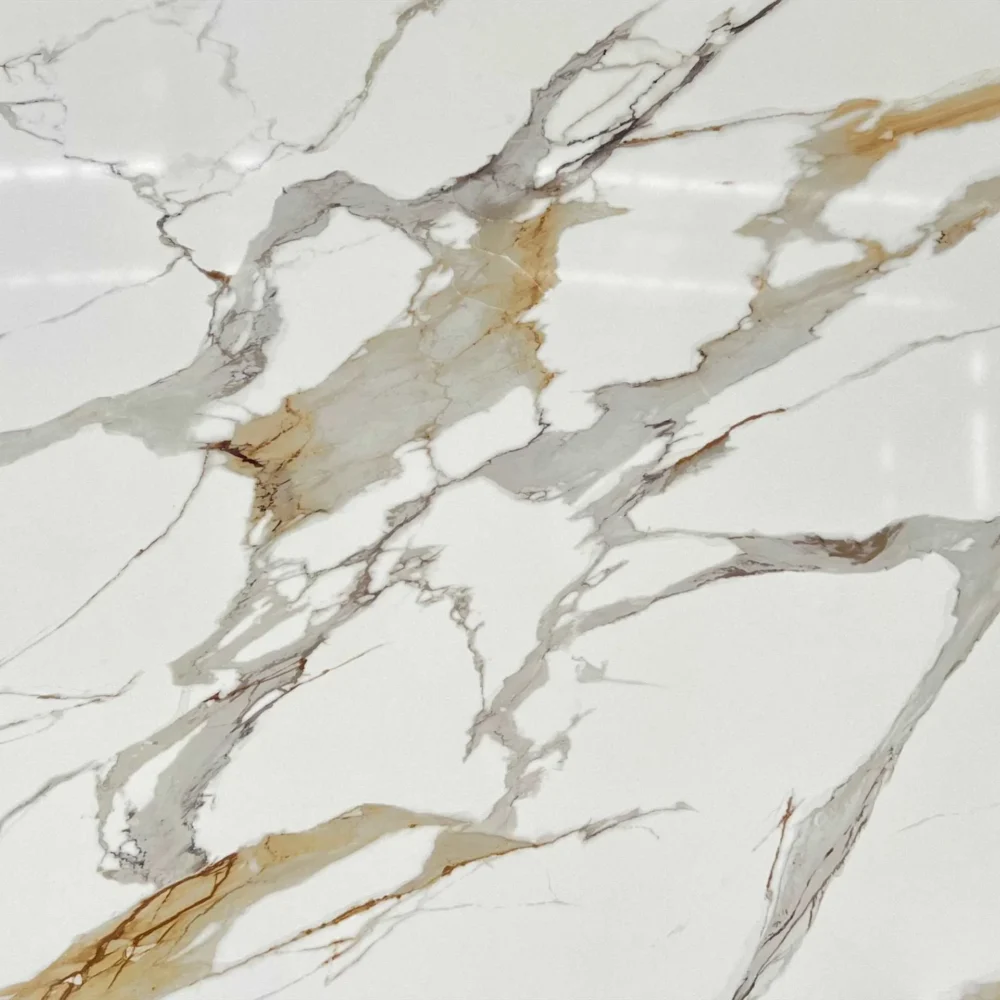
- Zero Silica Chalky Ivory White Slabs GQ-4001 for wholesale
Zero Silica Chalky Ivory White Slabs GQ-4001 for wholesale
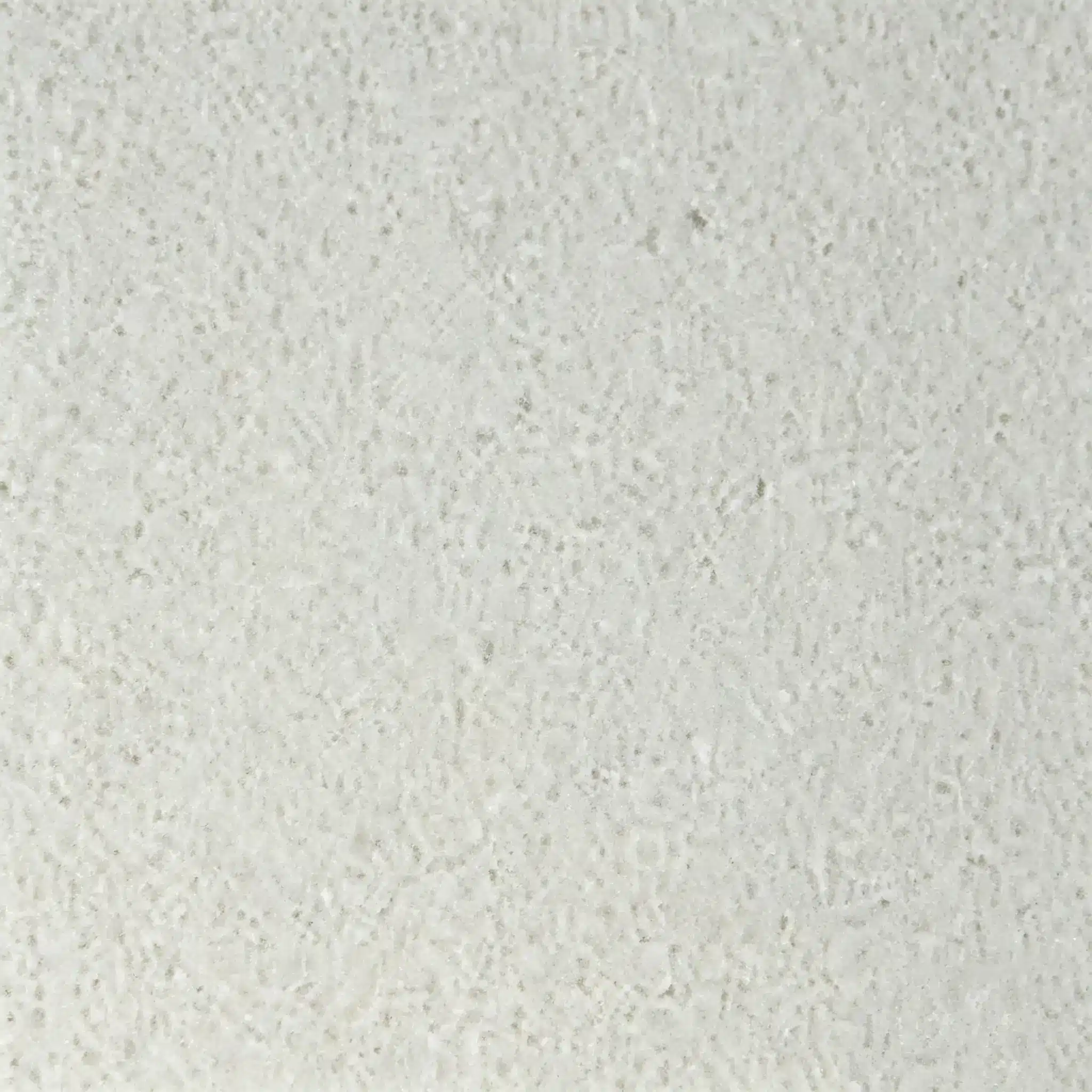
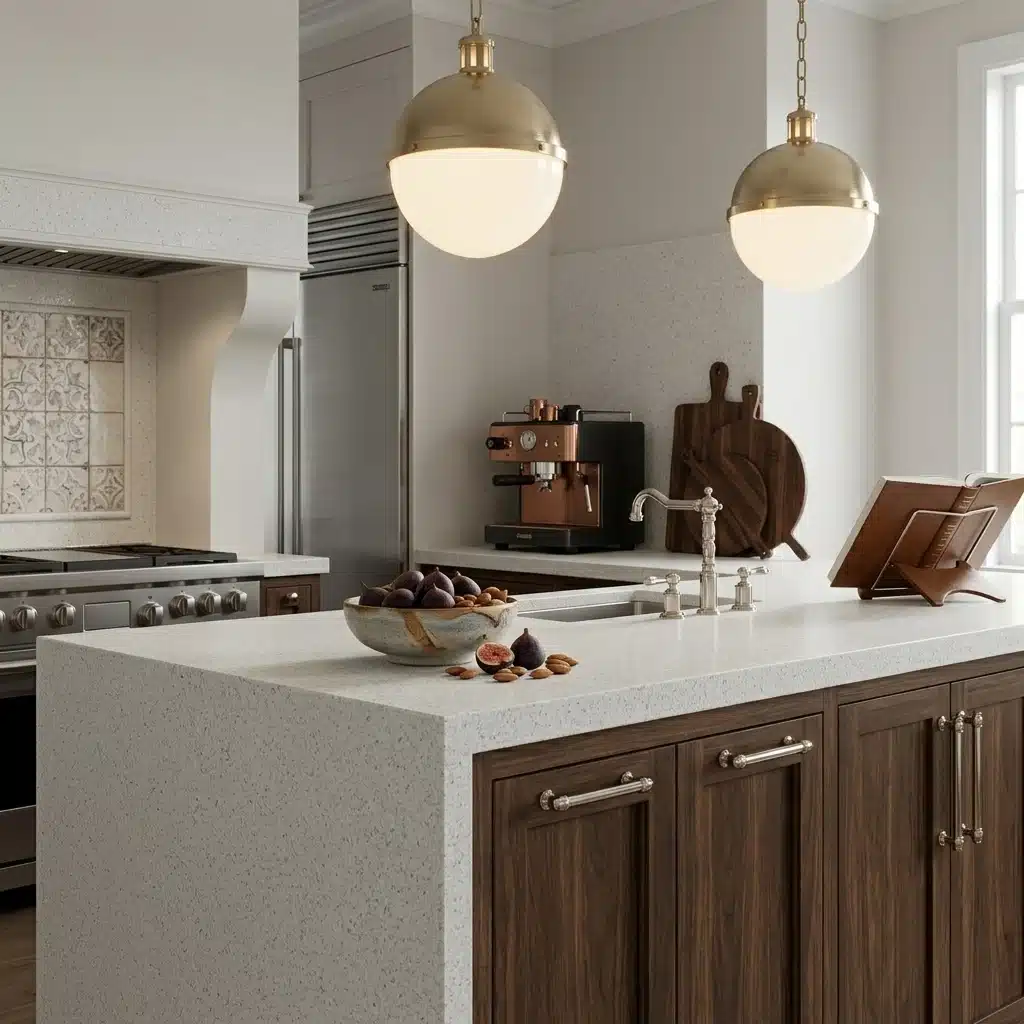
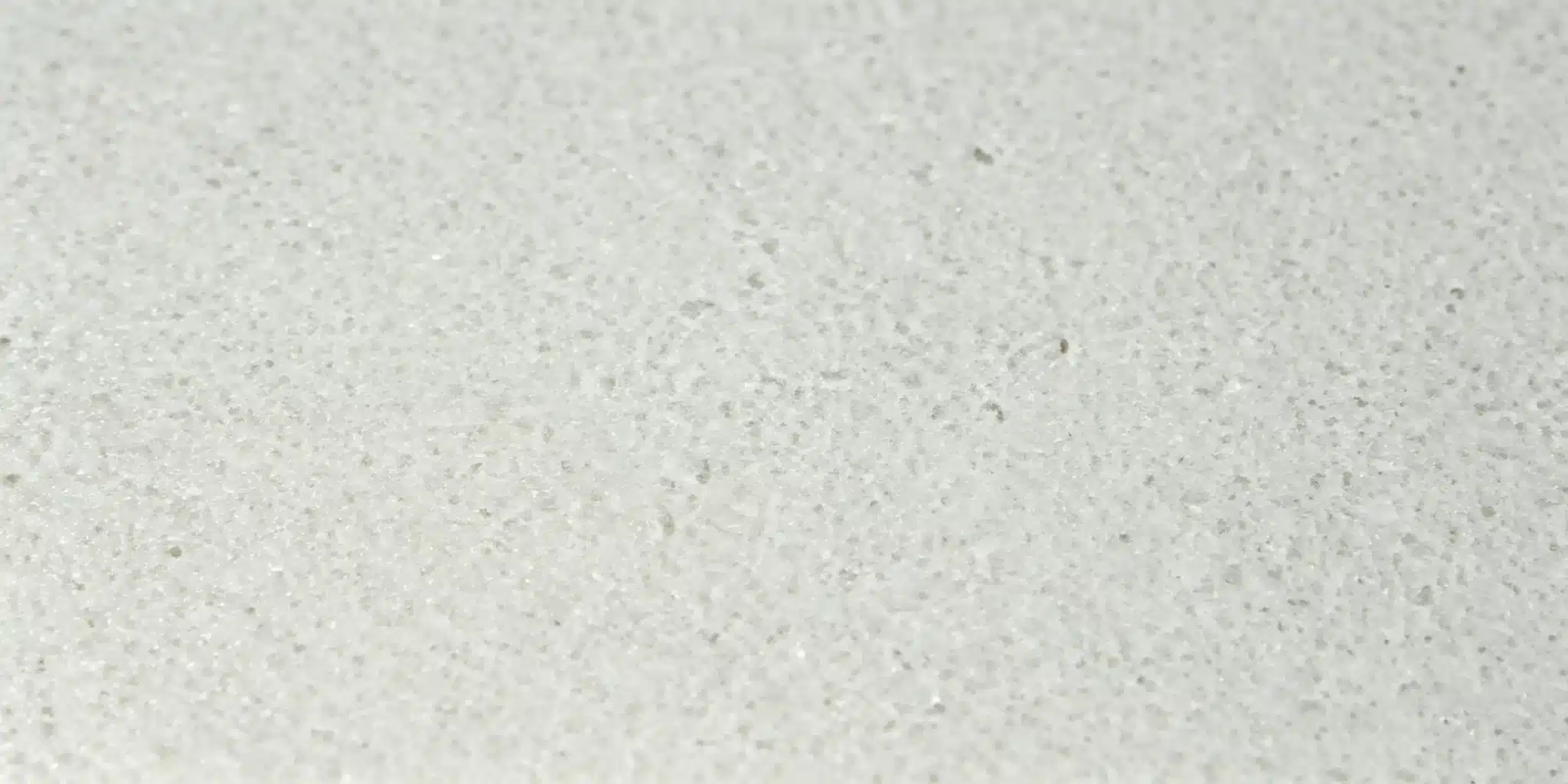
| Primary Color(s) | Chalky Ivory White |
| Accent Color(s) | Faint Grey |
| Craft | Regular |
| Finishes | Polished / Honed / Suede / Leathered |
| Customized Size | 138″ × 79″ / 126″ × 63″ / Customizable |
| Thickness | 20mm/30mm/Customizable |
| Edge Style | Eased polished edge/2+2cm laminated edge/Mitred edge |
| Full Body Quartz | Yes |
| Bookmatch Available | Yes |
| Place of Origin | Thailand |
| Port of Transportation | Thailand |
| Packaging | Foam or carton inside + strong wooden crates with reinforced straps outside and fumigation |
| Delivery time | 15-20 days / Express service is negotiable. |
| MOQ | 10 ㎡ |
| Payment terms | 30%T/T after confirm the order and the 70% T/T by copy of B/L |
| Countertops Residential: Yes Commercial: Yes |
| Wall Residential: Yes Commercial: Yes |
| Flooring Residential: Yes Commercial: Yes |
Description:
Frequently asked questions
Does anyone have bright white kitchen cabinets with a more creamy white quartz countertop? Examples of countertops would be calacatta laza oro or calacatta ?
Yeah, plenty of kitchens pull off bright white cabinets with a creamy white quartz—Calacatta Laza Oro is one of the most common pairings.
But it’s not just about picking a name; it’s about how the undertones interact in real light.
Bright white cabinets (like Snow White or Benjamin Moore Chantilly Lace) lean cool.
Calacatta Laza Oro leans warm—gold and beige veining that softens under natural light but can look yellowish under 2700K LEDs.
True Calacatta tends to run cooler, with gray-white backgrounds and sharp gray veining, so it reads crisper next to bright cabinets.
Most fabricators will tell you: dry-lay at least two slabs side-by-side in your actual space, with lights on and cabinets installed—or as close as possible.
Slab-to-slab variation matters more here than anywhere else.
Grand Quartz Tech prints full-body patterns, so veining stays consistent across slab faces—but batch-to-batch warmth can still shift.
If you’re ordering for a multi-room project, ask for same-batch slabs.
And skip honed finishes on creamy whites unless you want a softer, less reflective look—polished surfaces show smudges faster, especially near sinks.
How Well Do Quartz Countertops Work With White Cabinets?
They work well—but only when tone, finish, and lighting line up.
Bright white cabinets don’t automatically pair with any white quartz.
A cool-toned quartz like Arctic White or Pure White gives clean contrast.
Warm-toned options—like ivory-based or gold-veined designs—can clash if the cabinet sheen is too crisp or the room has cool lighting.
Installers usually recommend testing samples *in situ*, not in a showroom lit by 5000K LEDs.
Real-world kitchens vary: north-facing rooms lean cool; south-facing ones bring out golds and creams.
Also, edge treatment matters.
Polished edges on white quartz catch fingerprints and water spots fast—especially near prep zones.
Honed or matte finishes hide those better but need more frequent wipe-downs to avoid buildup.
Seam visibility is another quiet issue: busy veining helps mask seams, but tight, linear patterns telegraph them.
Grand Quartz Tech offers super jumbo slabs up to 138" x 79", which cuts seam count in large islands or open-plan layouts.
If you’re doing bookmatched backsplashes or waterfall ends, that size—and consistent printing—makes alignment easier for the fabricator.
Are white quartz countertops still in style?
White quartz isn’t trending up or down—it’s settling into its role as a utility player with character.
Five years ago, buyers chased sterile, high-gloss, zero-vein slabs.
Now, they want texture: subtle grays in the background, soft gold veining, or faint clouding that mimics natural stone without the upkeep.
Calacatta-inspired looks are still strong—not because they’re ‘in,’ but because they deliver visual weight without maintenance headaches.
That said, pure bright white works best where intentionality is clear: minimalist residential builds, lab-style commercial kitchens, or hospitality lobbies where consistency matters more than warmth.
In traditional or farmhouse settings, clients often pivot to off-whites—beige-tinged, oatmeal, or greige—with honed finishes to soften the contrast against painted cabinets.
Fabricators report fewer returns on whites with low-to-mid variation—slabs that read cohesive from 3 feet but reveal depth up close.
Grand Quartz Tech’s Full Body Printed Quartz tech lets us hold that nuance across large slabs, so you don’t get abrupt shifts in tone near seams or cutouts.
It’s not about being trendy—it’s about choosing a white that holds up after two years of coffee rings and cleaning spray.
What are the disadvantages of white quartz countertops?
White quartz holds up well day-to-day, but it exposes flaws faster than darker colors.
Scratches from metal utensils or abrasive pads show clearly on polished surfaces—especially around sinks and cooktops.
Etching isn’t an issue like with marble, but harsh cleaners with high pH or chlorine can dull the resin matrix over time, leaving a hazy film that’s hard to reverse.
Then there’s variation: low-variation whites can feel flat in large expanses, while high-variation slabs risk tonal mismatch between slabs—even within the same batch.
Lighting exaggerates this: cool LEDs add blue cast; warm bulbs amplify yellow.
Seams are another real-world headache.
On tight-patterned whites, even well-executed seams telegraph—especially on horizontal surfaces like islands.
Bookmatching helps, but it eats slab yield and requires precise fabrication.
Also, white quartz doesn’t age like natural stone—it won’t patina, but UV exposure over years can cause slight yellowing in some resin formulations, particularly on south-facing countertops.
Grand Quartz Tech runs low-silica, UV-stable production lines, and all slabs are SGS tested for colorfastness—but we still recommend avoiding direct, unfiltered sun exposure for 8+ hours daily.
Bottom line: white quartz is practical, but it demands attention to detail—not just in selection, but in installation and long-term care.