



- Home
- Productos
- Losas de cuarzo
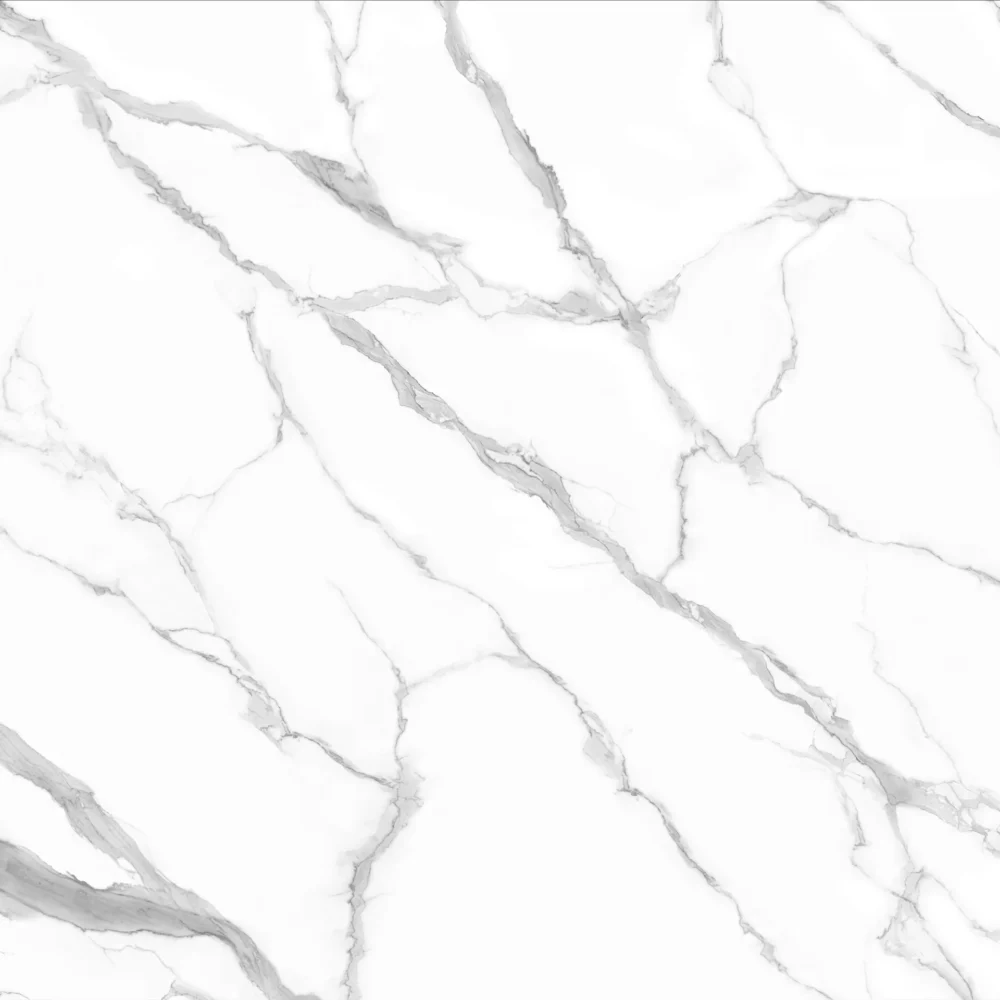
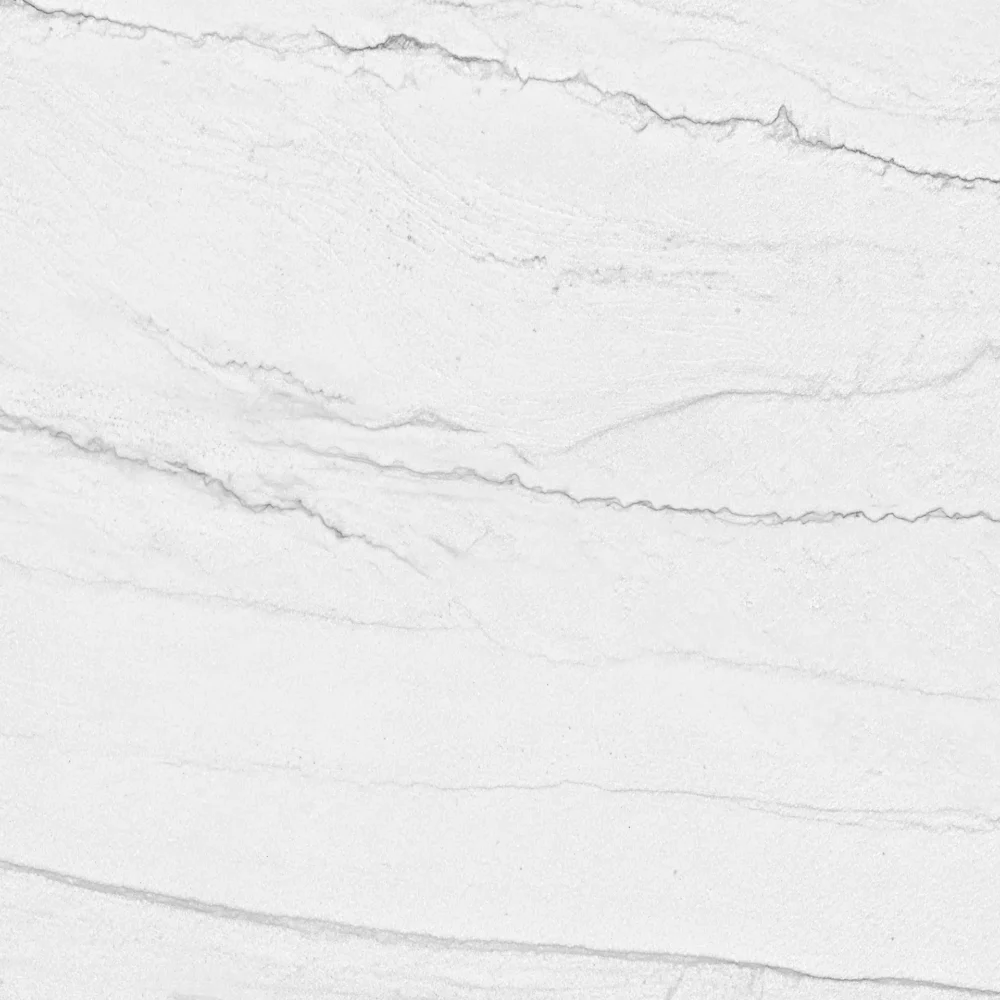
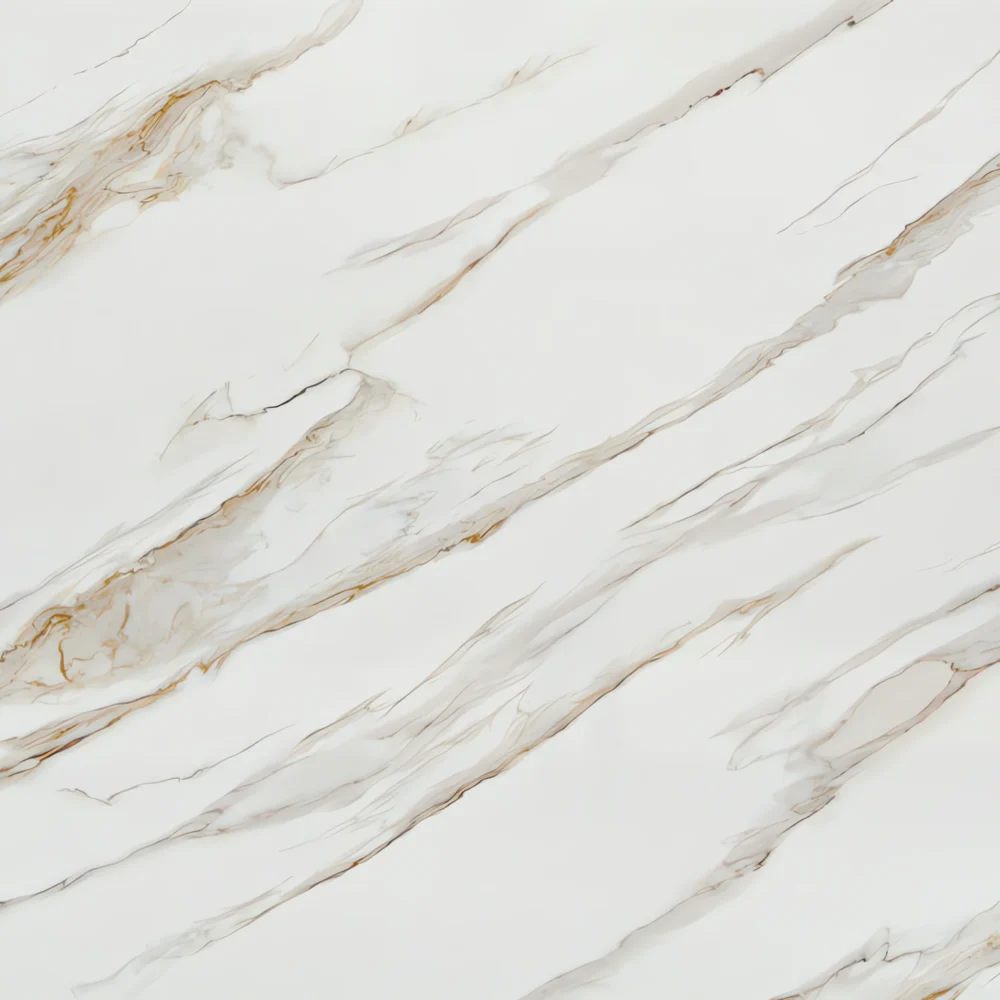
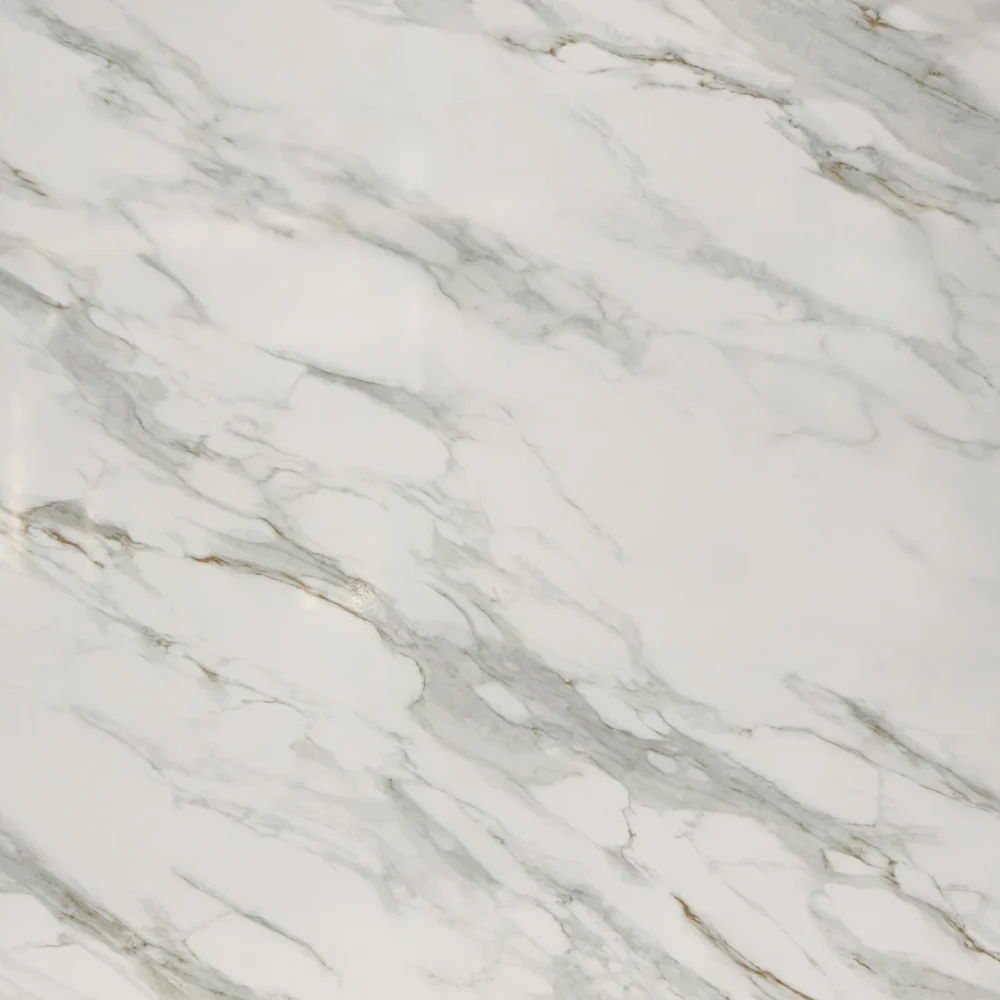
- Calacatta Gray Travertine Look Quartz GQ-T805 for wholesale
Calacatta Gray Travertine Look Quartz GQ-T805 for wholesale
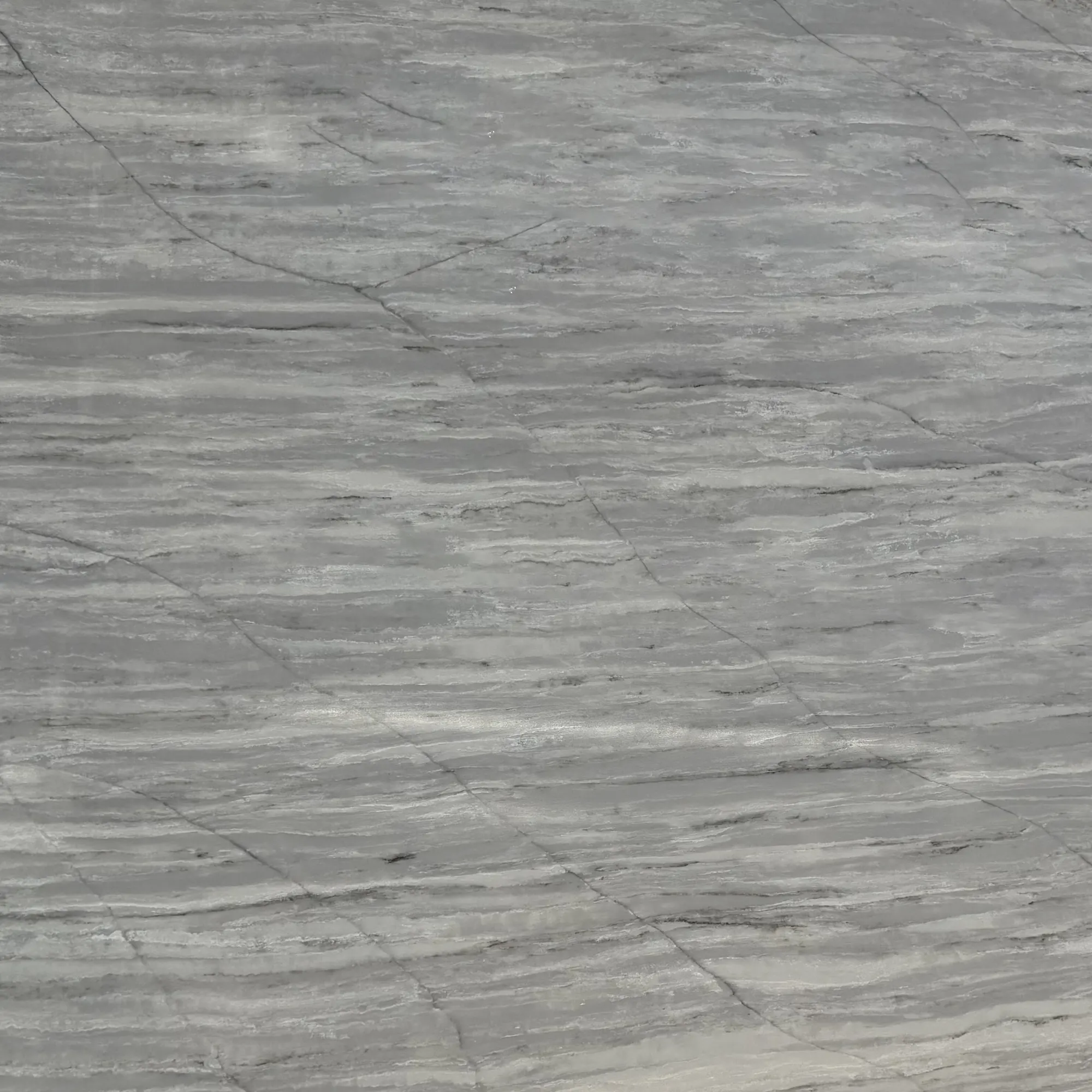
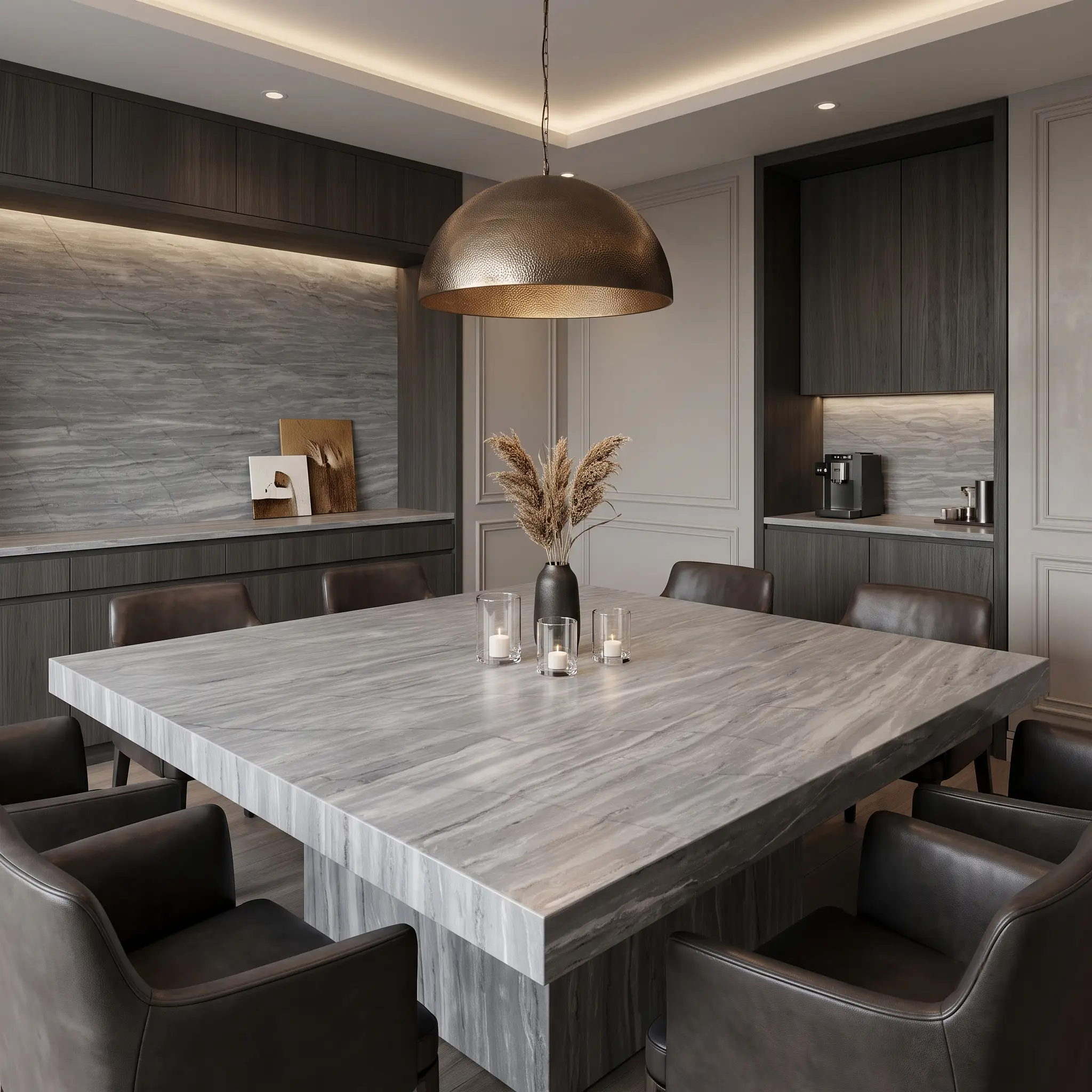
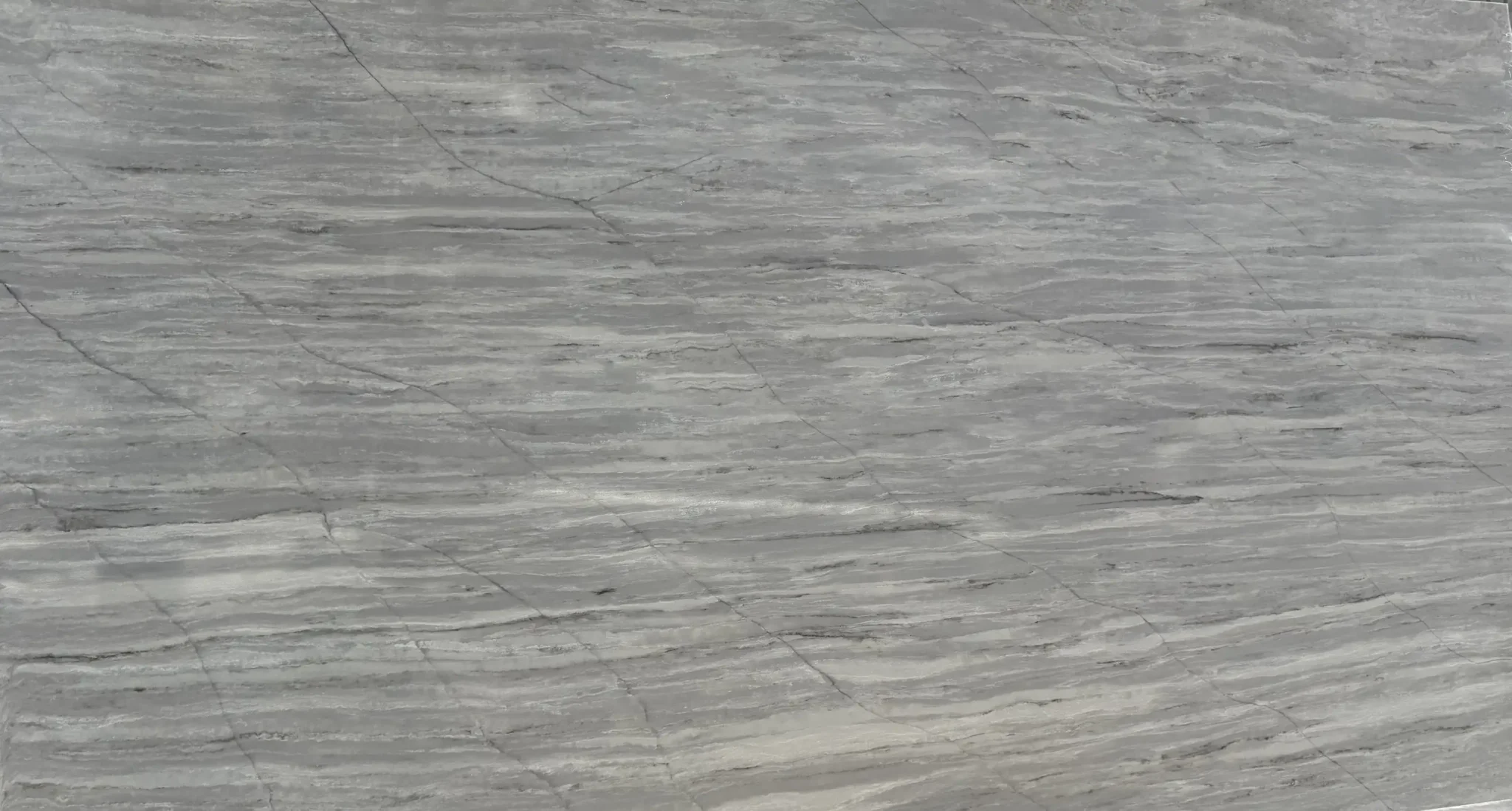
| Primary Color(s) | Cool Slate Grey |
| Accent Color(s) | Dark Grey Layered Vein + White Streak |
| Craft | Regular |
| Finishes | Polished / Honed / Suede / Leathered |
| Customized Size | 138″ × 79″ / 126″ × 63″ / Customizable |
| Espesor | 20mm/30mm/Customizable |
| Edge Style | Eased polished edge/2+2cm laminated edge/Mitred edge |
| Full Body Quartz | Yes |
| Bookmatch Available | Yes |
| Place of Origin | Tailandia |
| Port of Transportation | Tailandia |
| Packaging | Foam or carton inside + strong wooden crates with reinforced straps outside and fumigation |
| Delivery time | 15-20 days / Express service is negotiable. |
| MOQ | 10 ㎡ |
| Payment terms | 30%T/T after confirm the order and the 70% T/T by copy of B/L |
| Countertops Residential: Yes Commercial: Yes |
| Wall Residential: Yes Commercial: Yes |
| Flooring Residential: Yes Commercial: Yes |
Description:
Frequently asked questions
Can I put a toaster on my quartz countertop?
Most fabricators will tell you it's safe to put a toaster on a quartz countertop, but there's a catch. Quartz is heat-resistant up to about 150°F—so a warm toaster is fine, but if it’s just pulled from the oven or has been running hot for a long time, it can cause thermal shock and potentially lead to micro-cracks. In real-world kitchens, we’ve seen this happen more often than you’d think, especially with appliances that generate sudden bursts of heat. Always use a trivet or heat pad, especially for appliances like toasters, coffee makers, or crockpots. The material itself won’t burn or stain, but the sudden temperature change is the real risk. A frequent complaint we hear is that homeowners don’t realize their appliance is hotter than they think—so it’s better to be safe. Our factory (GQ) produces quartz with consistent thermal stability, but that doesn’t mean it’s immune to misuse.
What can ruin a quartz countertop?
In real-world kitchens, the biggest enemies of quartz aren’t chemicals or scratches—it’s heat and improper installation. Most fabricators see damage from hot pans or crockpots left directly on the surface, which can cause clouding or discoloration even if the material isn’t technically 'burned.' We’ve also seen countertops ruined by poor sealing at seams or by using low-grade adhesives during installation. Another common issue is improper cleaning—using abrasive pads or acidic cleaners like vinegar or lemon juice can etch the surface over time, especially on polished finishes. A frequent complaint we hear is that people assume quartz is indestructible and skip basic precautions. While it’s non-porous and stain-resistant, it’s not immune to thermal shock or mechanical damage. Installers usually recommend using trivets, avoiding harsh abrasives, and checking that the installer used proper edge sealing. At our factory (GQ), we test every batch for thermal resilience, but the end user still needs to handle it with care.
How durable is a quartz countertop?
Quartz countertops are incredibly durable—most fabricators will tell you they’re the toughest engineered stone on the market. They resist scratches, stains, and bacteria better than natural stone, and they don’t need sealing. In real-world kitchens, we’ve seen slabs survive decades of daily use with only minor surface wear. However, durability depends on the quality of the slab and how it’s installed. Low-grade quartz can chip or crack under impact, especially at edges or seams. At our factory (GQ), we use full-body printed technology and low-silica resin, which improves consistency and reduces the risk of delamination. That said, no material is indestructible—dropping a heavy pot can chip it, and extreme heat can cause thermal stress. Installers usually recommend avoiding direct flame exposure and using cutting boards. The durability also hinges on proper fabrication: poorly cut or joined seams are weak points. Overall, when properly sourced and installed, quartz is one of the most reliable surfaces for kitchen use.
How to order quartz countertops?
Ordering quartz countertops starts with selecting the right slab—color, pattern, and finish matter more than most people think. Most fabricators recommend starting with a full dry-lay approval, especially for larger projects or custom layouts. At our factory (GQ), we offer super jumbo slabs up to 138”x79”, which reduce seams and help achieve a cleaner look. You’ll need to provide precise measurements, including sink cutouts, backsplash height, and edge profiles. Be clear about your finish—polished, honed, or leathered—since this affects both appearance and maintenance. We also offer OEM/ODM solutions, so you can get custom designs or prefabricated pieces. Delivery takes about 20-30 days, and we ship globally from Chonburi, Thailand. A frequent complaint we hear is that customers skip the dry-lay step and end up with mismatched veining or seams in odd places. Always work with a certified fabricator who can handle templating and installation. If you’re ordering from a reputable manufacturer, make sure they provide technical specs, finish samples, and a clear warranty.