



- Home
- Quartz
- Quartz Slabs
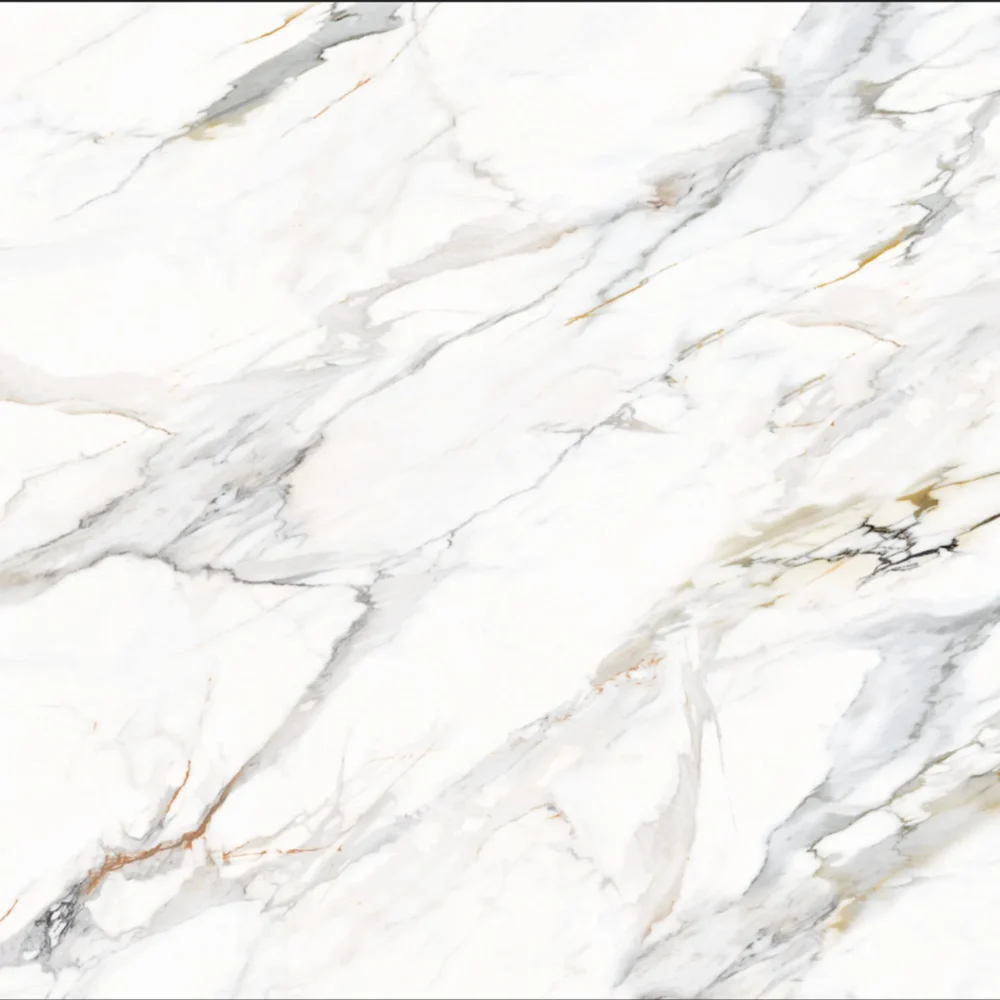
- Calacatta Glacier White Quartz Slabs GQ-T284 for Wholesale
Calacatta Glacier White Quartz Slabs GQ-T284 for Wholesale
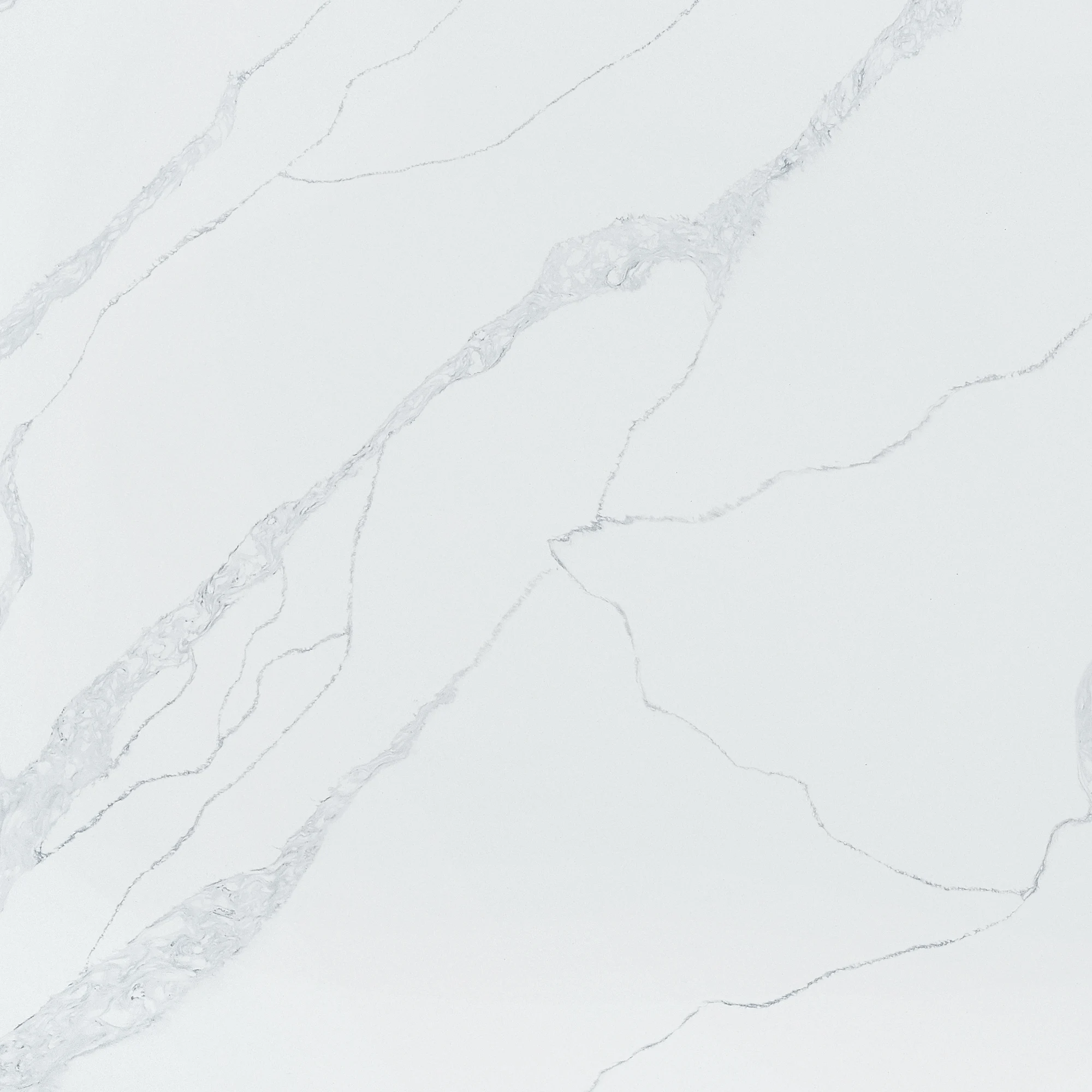
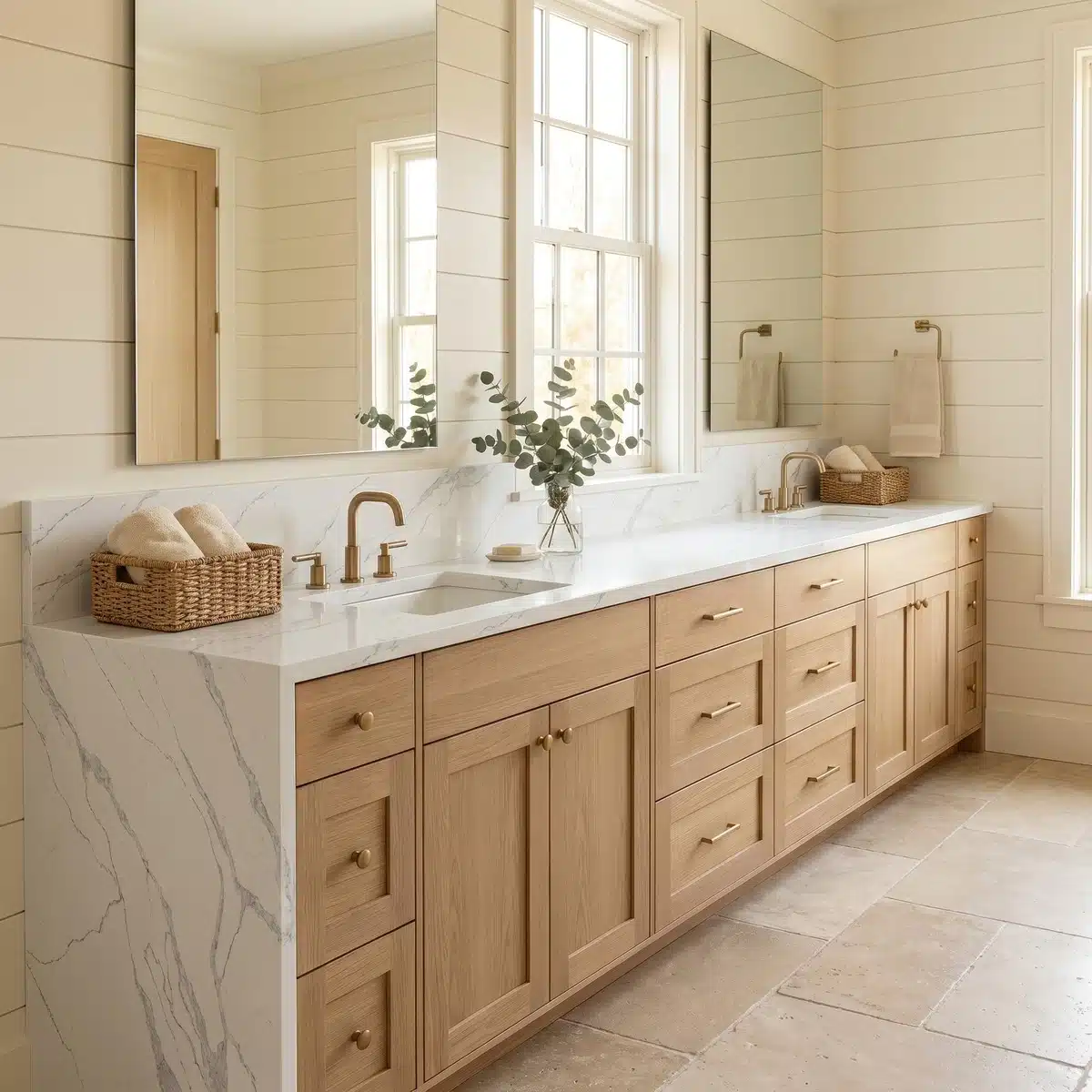
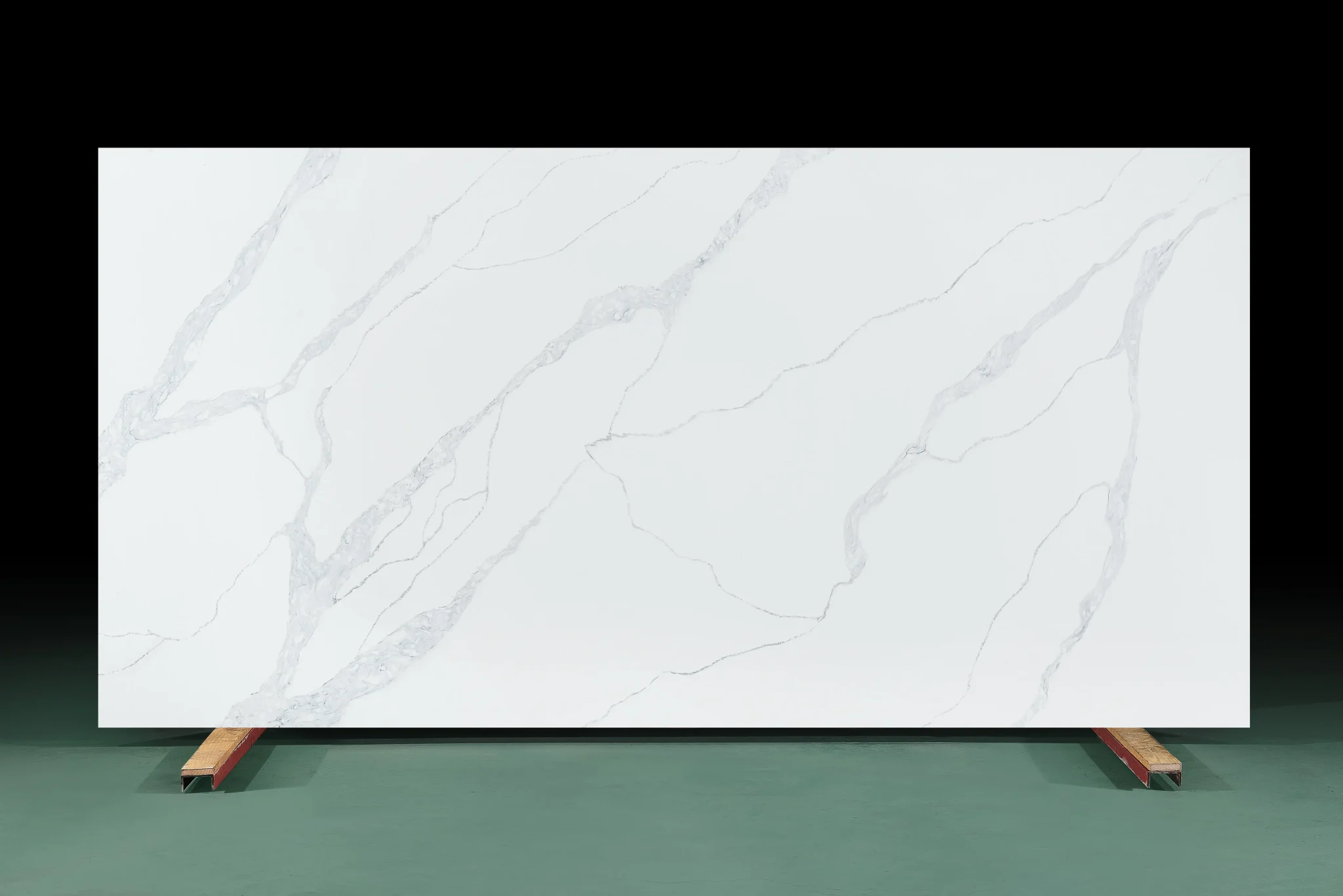
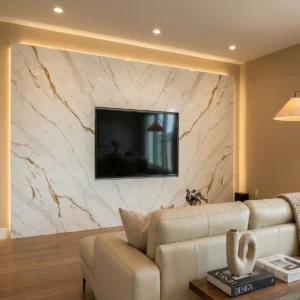
| Primary Color(s) | Pure White |
| Accent Color(s) | Cool Grey Veining |
| Craft | Regular |
| Finishes | Polished / Honed / Suede / Leathered |
| Customized Size | 138″ × 79″ / 126″ × 63″ / Customizable |
| Thickness | 20mm/30mm/Customizable |
| Edge Style | Eased polished edge/2+2cm laminated edge/Mitred edge |
| Full Body Quartz | Yes |
| Bookmatch Available | Yes |
| Place of Origin | Thailand |
| Port of Transportation | Thailand |
| Packaging | Foam or carton inside + strong wooden crates with reinforced straps outside and fumigation |
| Delivery time | 15-20 days / Express service is negotiable. |
| MOQ | 10 ㎡ |
| Payment terms | 30%T/T after confirm the order and the 70% T/T by copy of B/L |
| Countertops Residential: Yes Commercial: Yes |
| Wall Residential: Yes Commercial: Yes |
| Flooring Residential: Yes Commercial: Yes |
Description:
Frequently asked questions
What is Calacatta Quartz? Everything You Need to Know?
Calacatta quartz is engineered—not mined.
It’s made by combining ground quartz, resin binders, and pigments under high pressure and heat.
The ‘Calacatta’ label refers to the visual style: a light base with dramatic, organic-looking veining that mimics Italian marble.
But unlike natural stone, it doesn’t etch from lemon juice or wine, won’t stain from coffee or oil, and never needs sealing.
Most fabricators tell you consistency is its biggest advantage—no quarry variation, no unexpected voids or soft spots.
That said, not all Calacatta quartz looks or performs the same.
Vein intensity, direction, and color saturation depend heavily on printing tech.
Surface-printed slabs show wear on edges and cutouts; full-body printed versions—like those from Grand Quartz Tech—carry the pattern through the entire thickness, so waterfall ends and bullnosed edges stay true.
In real-world kitchens, polished finishes show fingerprints on dark veins; honed versions hide smudges but highlight texture.
Thermal shock from hot cookware can still cause micro-fractures, especially near seams.
And while it handles daily use well, aggressive cleaning or dragging cast iron across it will leave marks.
Is Calacatta gold quartz expensive?
It depends—on design complexity, slab size, finish, and how much fabrication is involved.
Calacatta-style quartz with warm gold veining usually sits above entry-level options, but cost isn’t just about the slab.
Jumbo sizes (like GQ’s 138″ x 79″ super jumbo) reduce seam count in large islands, which saves labor—but freight and handling go up.
Full-body printed quartz costs more than surface-printed because it requires precise pigment dispersion and tighter quality control during curing.
Lead time matters too: standard orders ship in 20–30 days from Thailand, but rush jobs or custom CAD layouts add cost.
Fabrication scope changes everything—bookmatched installations, mitered corners, or integrated sinks require extra time and skill, and most shops price those separately.
Freight, duties, and regional distribution also shift final landed cost.
Some buyers assume ‘gold’ means pricing across the board—but if the gold tone comes from low-stability pigments, fading or yellowing under UV exposure can happen over time.
How to Maintain and Care for Calacatta Quartz Surfaces?
Treat it like a durable surface—not indestructible.
It resists stains and bacteria because it’s non-porous, but that doesn’t mean abuse is harmless.
Daily cleaning?
Soft cloth, mild dish soap, lukewarm water.
Avoid vinegar, bleach, ammonia, or abrasive pads—they degrade the resin binder over time, especially on polished finishes.
For dried-on food or grease, let a pH-neutral cleaner sit 30 seconds before wiping—don’t scrub hard.
Never place a hot pan directly on it: thermal shock from sudden temperature shifts can crack the surface near seams or cutouts.
In commercial kitchens, installers recommend letting exhaust hoods vent properly—steam buildup under cabinets stresses joints.
Cutting directly on the surface dulls knives and leaves fine scratches, even if they’re not visible at first.
Polished dark-veined Calacatta shows water spots and oils more than honed versions, so wipe spills promptly.
And while NSF-certified quartz is safe for food prep, disinfectants must be approved for quartz—some hospital-grade sprays break down resin over repeated use.
Real-world feedback from contractors?
The biggest issue isn’t staining—it’s seam telegraphing on busy patterns, especially with 2cm slabs on unsupported spans.
Is calacatta gold quartz warm or cool?
It leans warm—but context controls perception.
The gold veining comes from iron oxide and organic pigments blended into the resin matrix.
Under warm-white LED (2700K–3000K), it reads rich and inviting, especially next to wood tones or brass hardware.
Under cooler lighting (4000K+), or beside gray tile or stainless steel, those same veins can look muted, even slightly greenish or ashen.
The base tone matters too: some versions start with bright white, others with ivory or greige—those shift the overall temperature.
Installers often see mismatched expectations when buyers pick based on showroom lighting alone.
In humid climates, moisture exposure over time can subtly alter resin clarity, making gold tones appear less vibrant.
Also, full-body printed quartz like Grand Quartz Tech’s maintains consistent warmth through the slab thickness—surface-printed versions sometimes fade at edges or after polishing, leaving cooler undertones exposed.
If you’re pairing with white cabinetry, test a full-size sample in your space at different times of day.
And remember: grout color, wall paint, and floor material all pull the quartz toward warm or cool—it rarely stands alone.
-1000x1000.webp)