



- Home
- Quartz
- Quartz Slabs
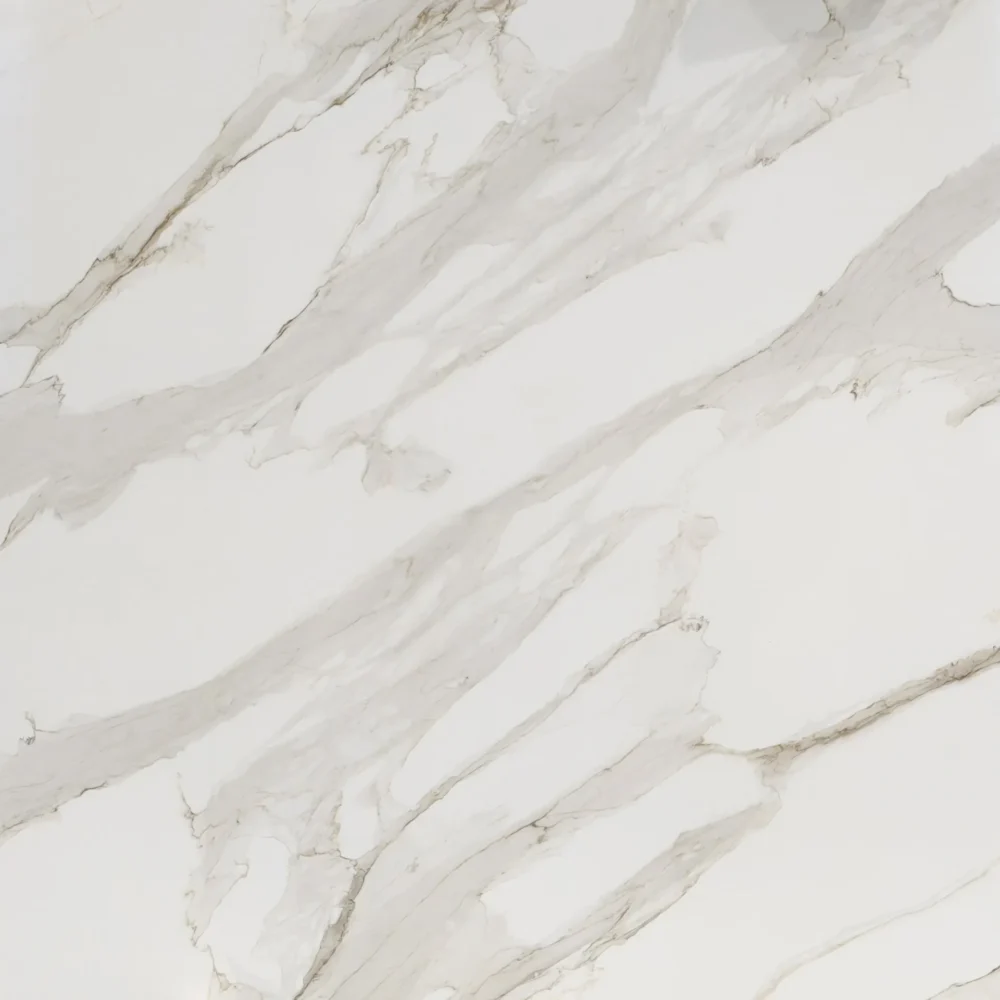
- Calacatta Natural Grey Quartz countertops GQ-T202 for Wholesale
Calacatta Natural Grey Quartz countertops GQ-T202 for Wholesale
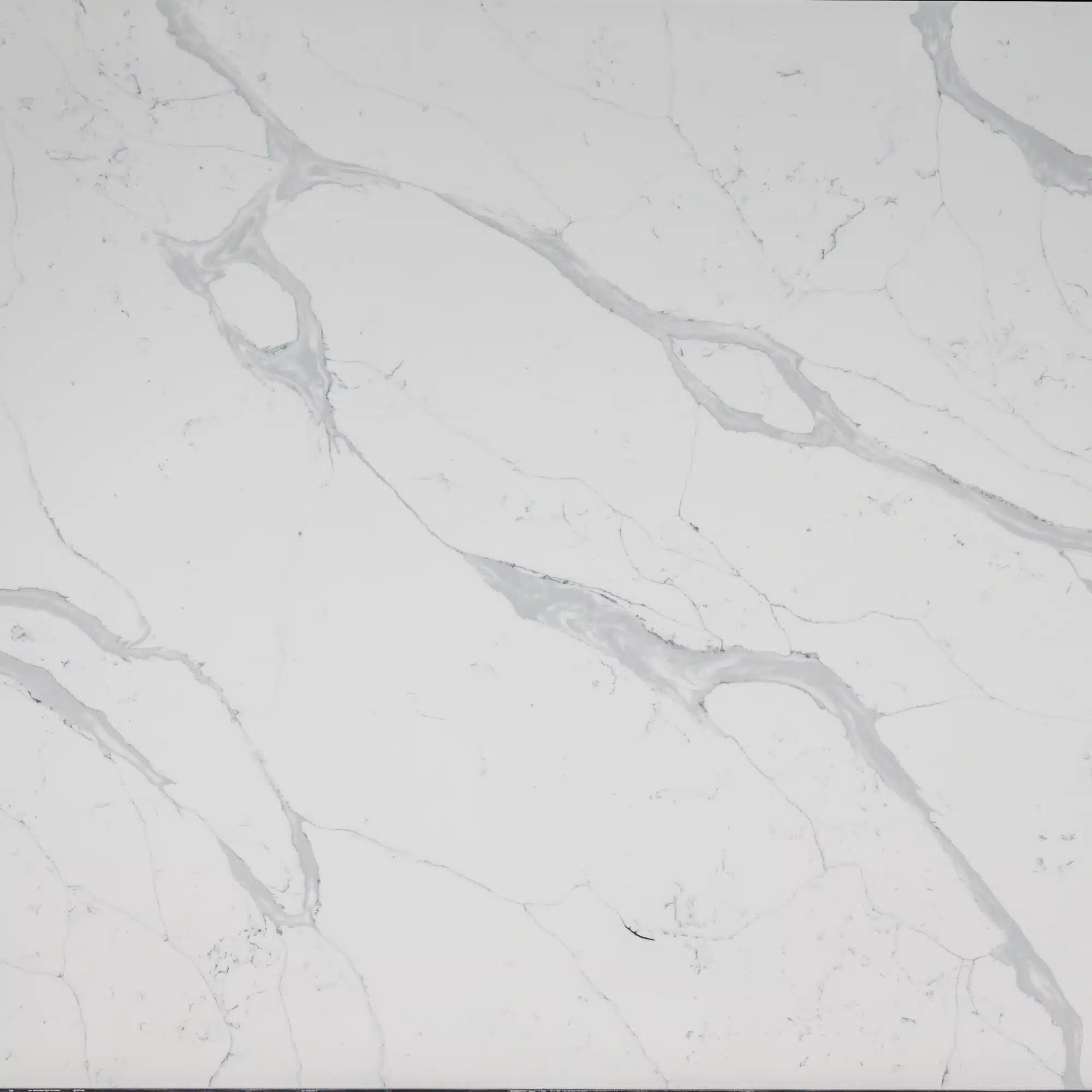
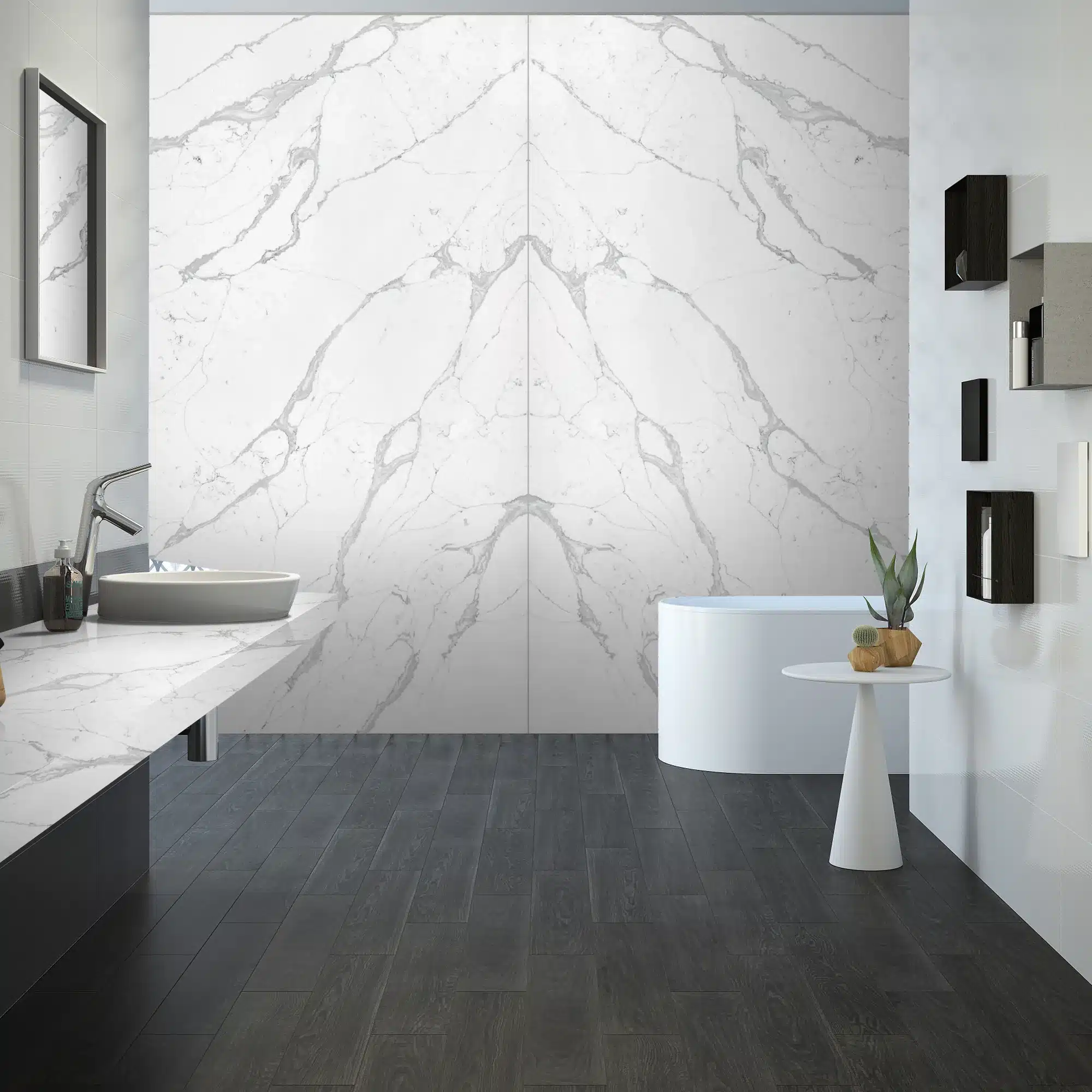
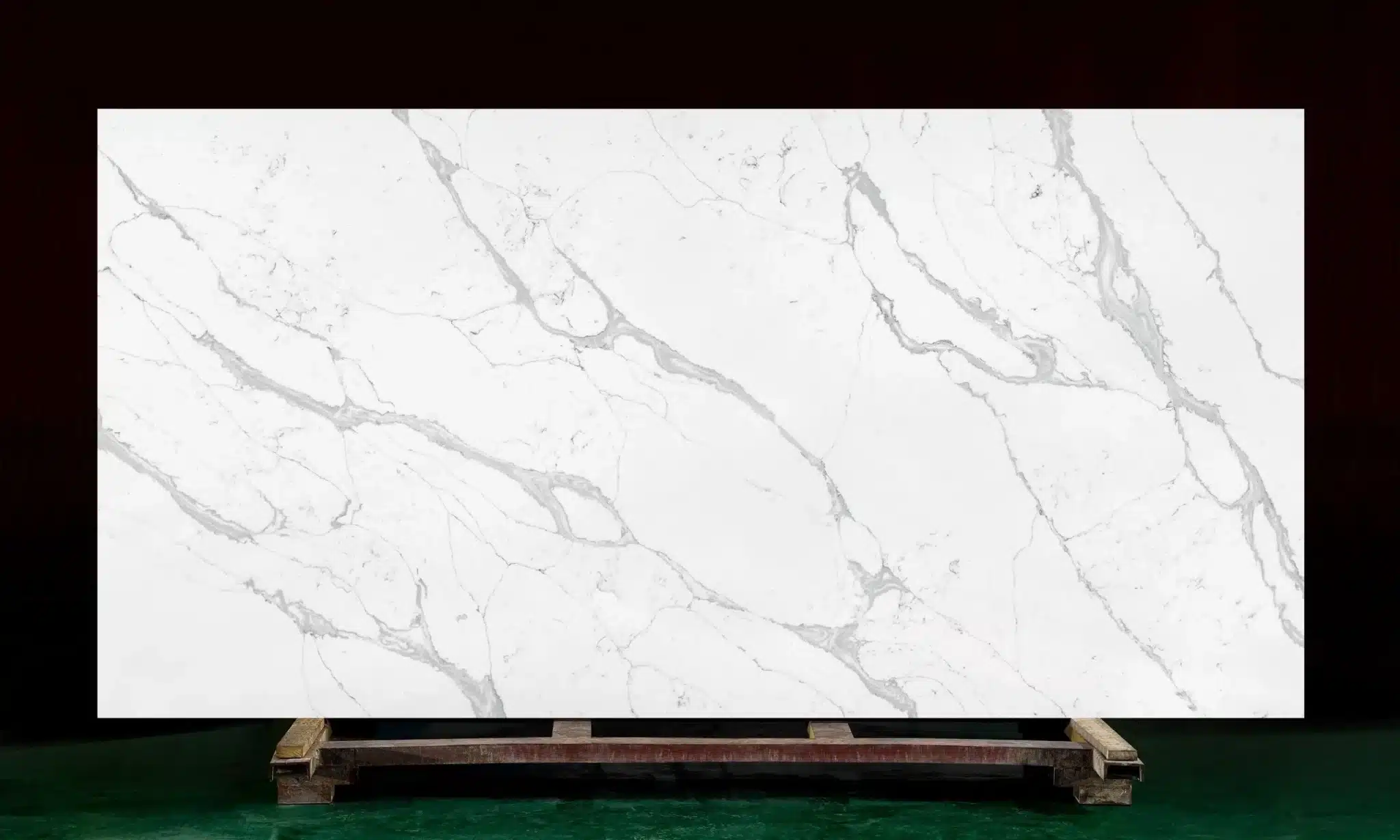
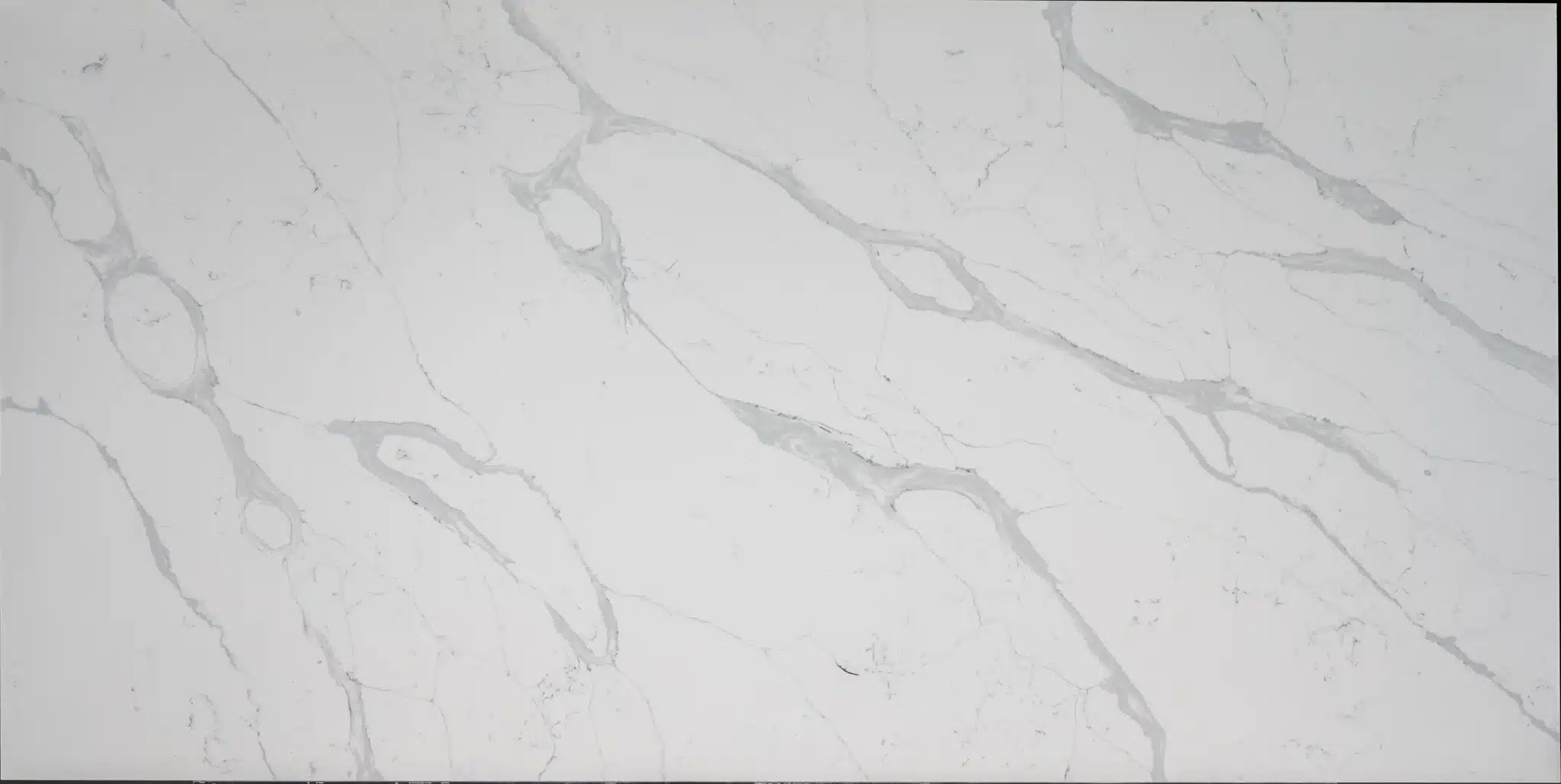
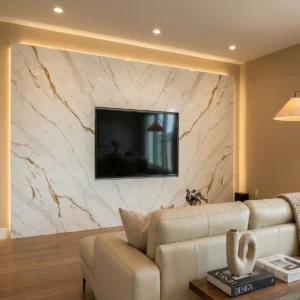
| Primary Color(s) | Crisp Pure White |
| Accent Color(s) | Soft Mid Grey Vein + Light Blue-Grey Haze |
| Craft | Regular |
| Finishes | Polished / Honed / Suede / Leathered |
| Customized Size | 138″ × 79″ / 126″ × 63″ / Customizable |
| Thickness | 20mm/30mm/Customizable |
| Edge Style | Eased polished edge/2+2cm laminated edge/Mitred edge |
| Full Body Quartz | Yes |
| Bookmatch Available | Yes |
| Place of Origin | Thailand |
| Port of Transportation | Thailand |
| Packaging | Foam or carton inside + strong wooden crates with reinforced straps outside and fumigation |
| Delivery time | 15-20 days / Express service is negotiable. |
| MOQ | 10 ㎡ |
| Payment terms | 30%T/T after confirm the order and the 70% T/T by copy of B/L |
| Countertops Residential: Yes Commercial: Yes |
| Wall Residential: Yes Commercial: Yes |
| Flooring Residential: Yes Commercial: Yes |
Description:
Frequently asked questions
What color quartz countertop for masterbath white vanity?
For a white vanity in a master bathroom, the safest and most timeless choice is a pure white quartz with minimal veining—think ‘Snow White’ or ‘Carrara White.’ These create a clean, spa-like look without overwhelming the space. If you want subtle interest, go for a white quartz with very light gray or silver veining, like ‘Statuario’ or ‘Eternal White.’ Avoid bold patterns or dark veining unless you’re going for a dramatic contrast. Blue-veined quartz (like ‘Ice Blue’ or ‘Aqua Pearl’) can work if you’re embracing a coastal or modern aesthetic, but it’s a bolder move. Always sample in person under your bathroom lighting—what looks cool in a showroom might feel too clinical or stark in your home. And remember: the backsplash and fixtures should complement, not compete. If you’re using chrome or brushed nickel, stick to neutral whites or light grays. If you’re going with matte black hardware, a slightly warmer white quartz (like ‘Warm White’) can balance the contrast.
What color sink goes with white quartz countertops?
White quartz countertops are incredibly versatile, so you’ve got options. For a clean, seamless look, a white undermount sink is a classic choice—it blends in and makes the surface feel larger. If you want visual interest, a matte black sink (especially in a farmhouse style) creates a bold, modern contrast that works well in kitchens and bathrooms. Stainless steel is also a solid bet—it’s durable and pairs well with any hardware. For a more luxurious or vintage vibe, consider a brushed nickel or polished chrome sink, but keep the finish consistent with your faucet. Avoid overly shiny finishes unless you’re going full-on glam. If you’re aiming for a minimalist design, an integrated sink (where the sink and countertop are one piece) gives a sleek, uninterrupted surface. Bottom line: your sink shouldn’t dominate—let the quartz shine. Match the sink finish to your faucet, and don’t forget to test the color under your actual lighting. What looks perfect at the store might wash out or look too harsh under LED or natural light at home.
Why does my white quartz countertop stain so easily?
If your white quartz countertop is staining easily, it’s likely not the material itself but rather how it’s being used or maintained. First, confirm it’s actually quartz—some engineered stone look-alikes or low-grade composites can stain more easily. Real quartz is non-porous and resistant to stains, but surface contamination (like oils, food residue, or even cleaning products) can leave marks that look like stains. The most common culprits? Bleach, vinegar, and acidic cleaners, which can etch or discolor certain types of quartz—especially those with pigments or mineral additives. Also, if your countertop has a ‘sparkle’ finish (like glitter or metallic flecks), those can attract and hold onto oils and grime. Never leave coffee, wine, or citrus juices unattended. Wipe up spills immediately. Use coasters, trivets, and cutting boards. And avoid using abrasive scrubbers or harsh chemicals. If the stain persists, it might be a resin or pigment issue—some manufacturers use lower-quality binders that degrade over time. In rare cases, it could be a manufacturing defect. But for most users, the issue isn’t the quartz—it’s the routine. Clean with mild soap and water, wipe dry, and don’t assume it’s ‘maintenance-free.’ It’s low-maintenance, not zero-maintenance.