



- Home
- Quartz
- Quartz Slabs
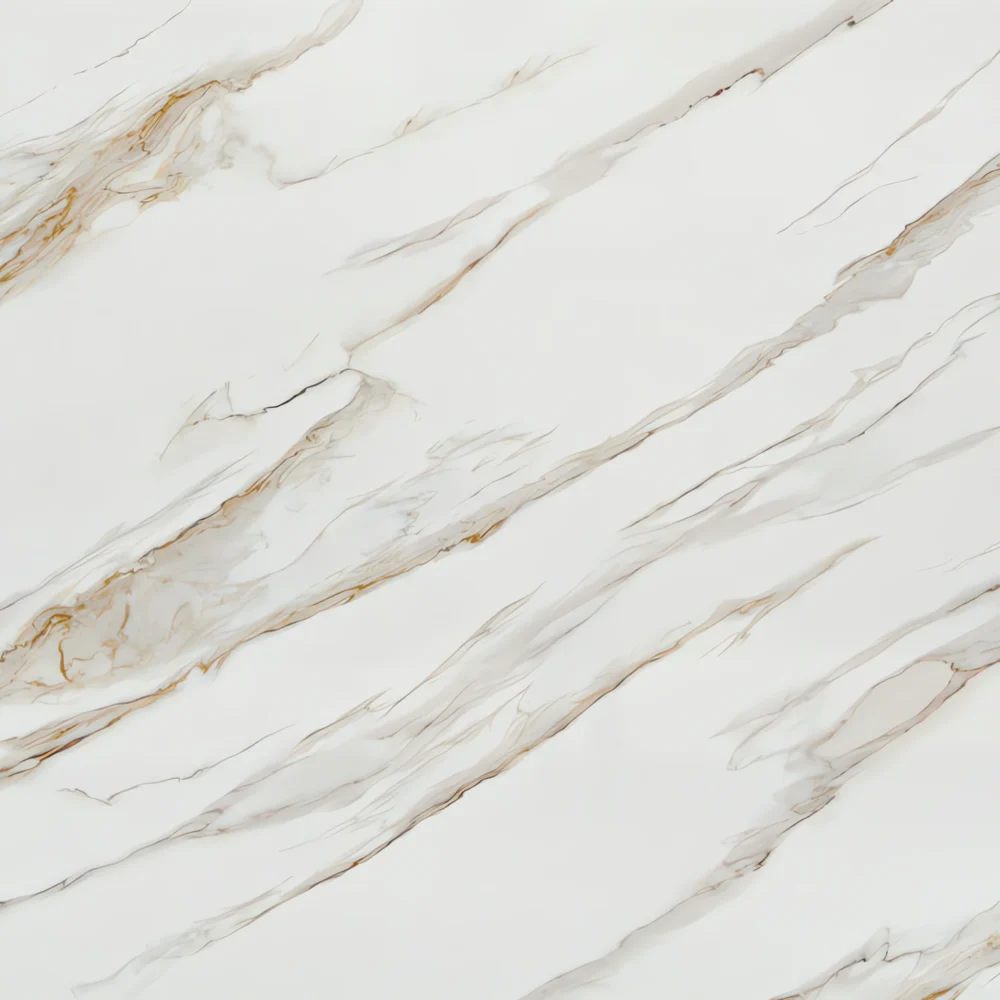
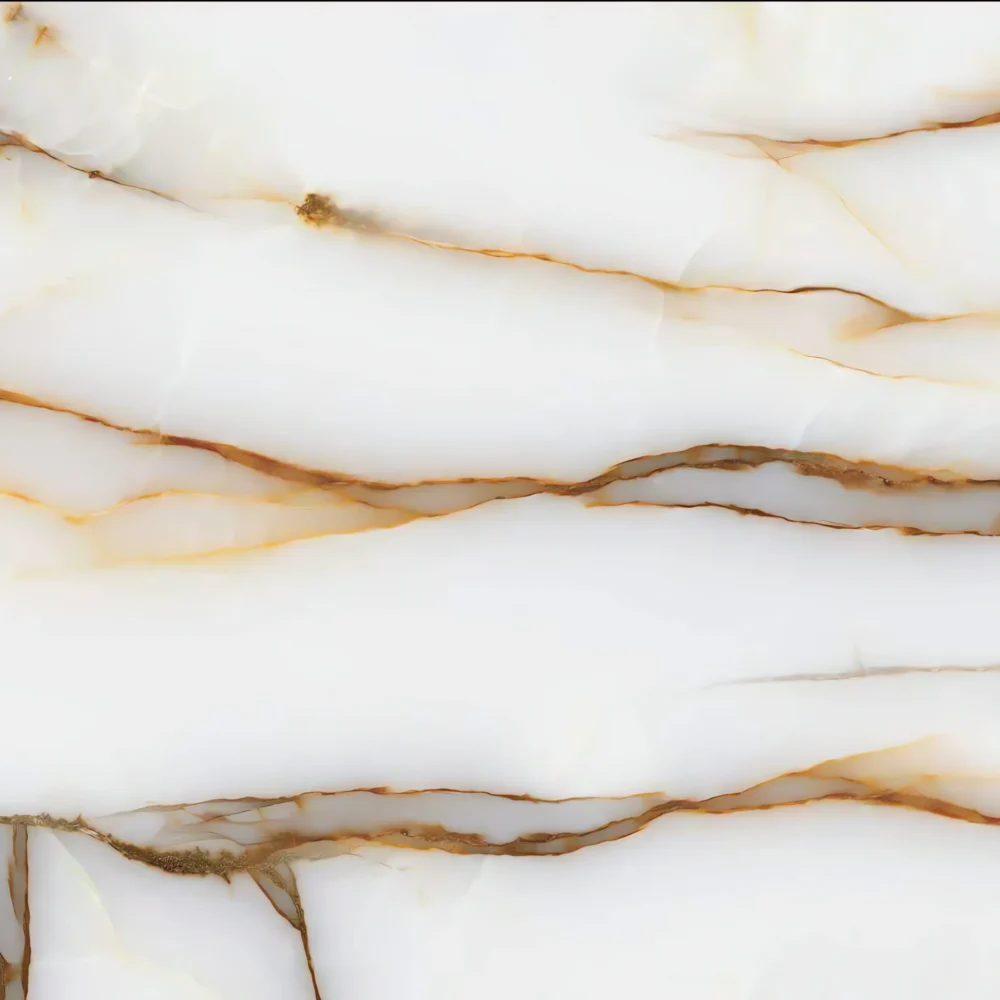
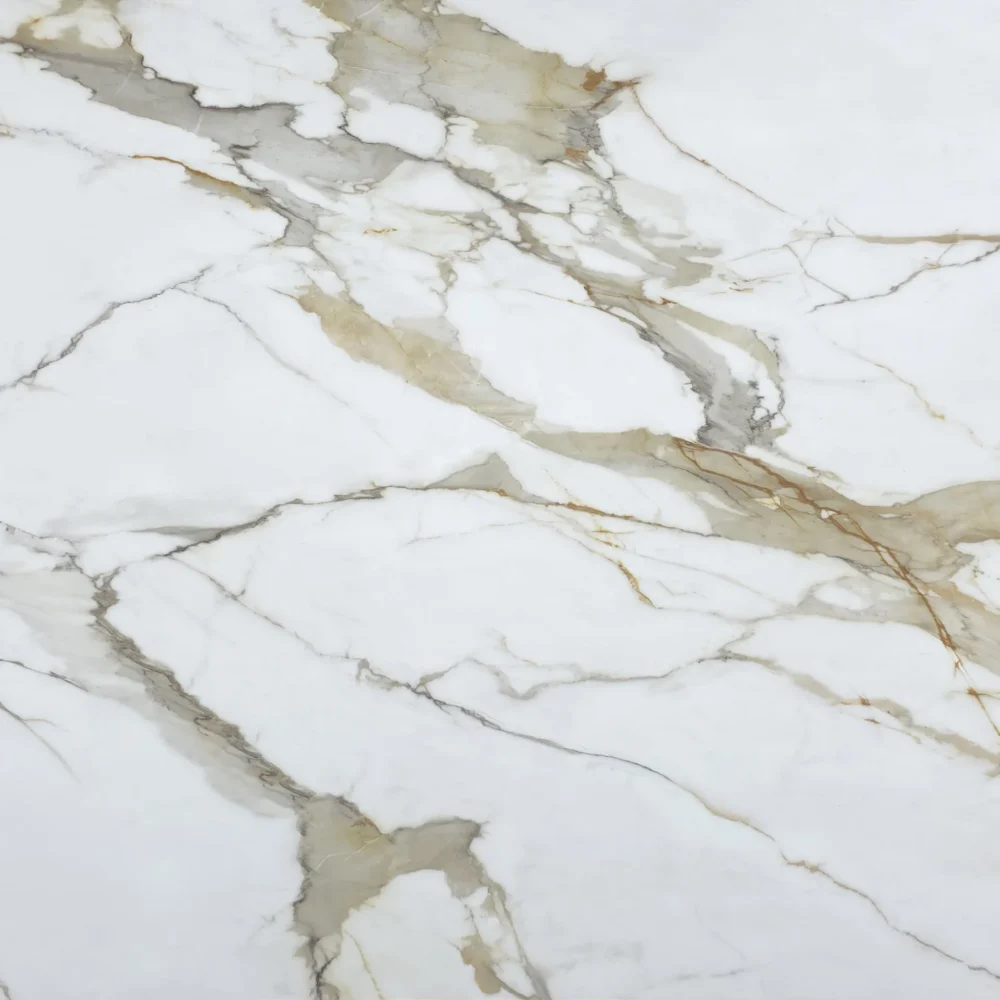
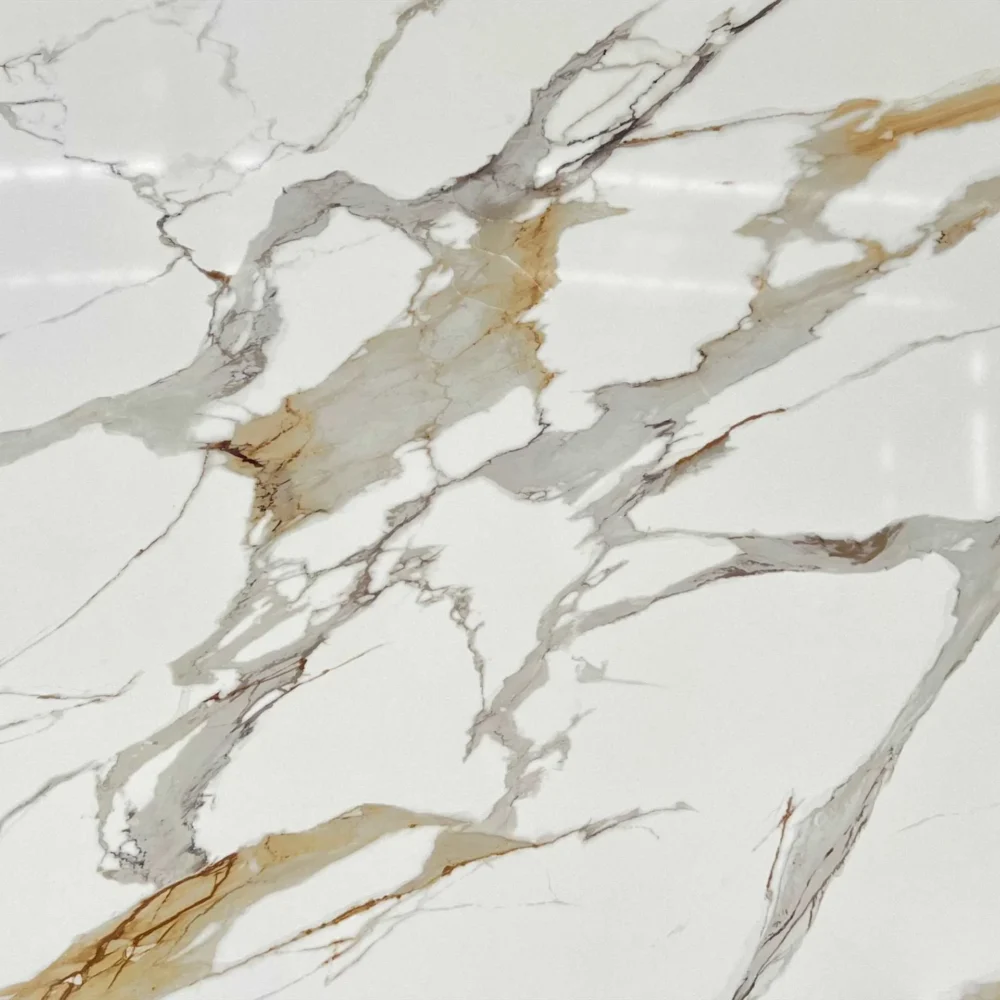
- Calacatta White Quartz With Gold Veins GQ-T252 for Wholesale
Calacatta White Quartz With Gold Veins GQ-T252 for Wholesale
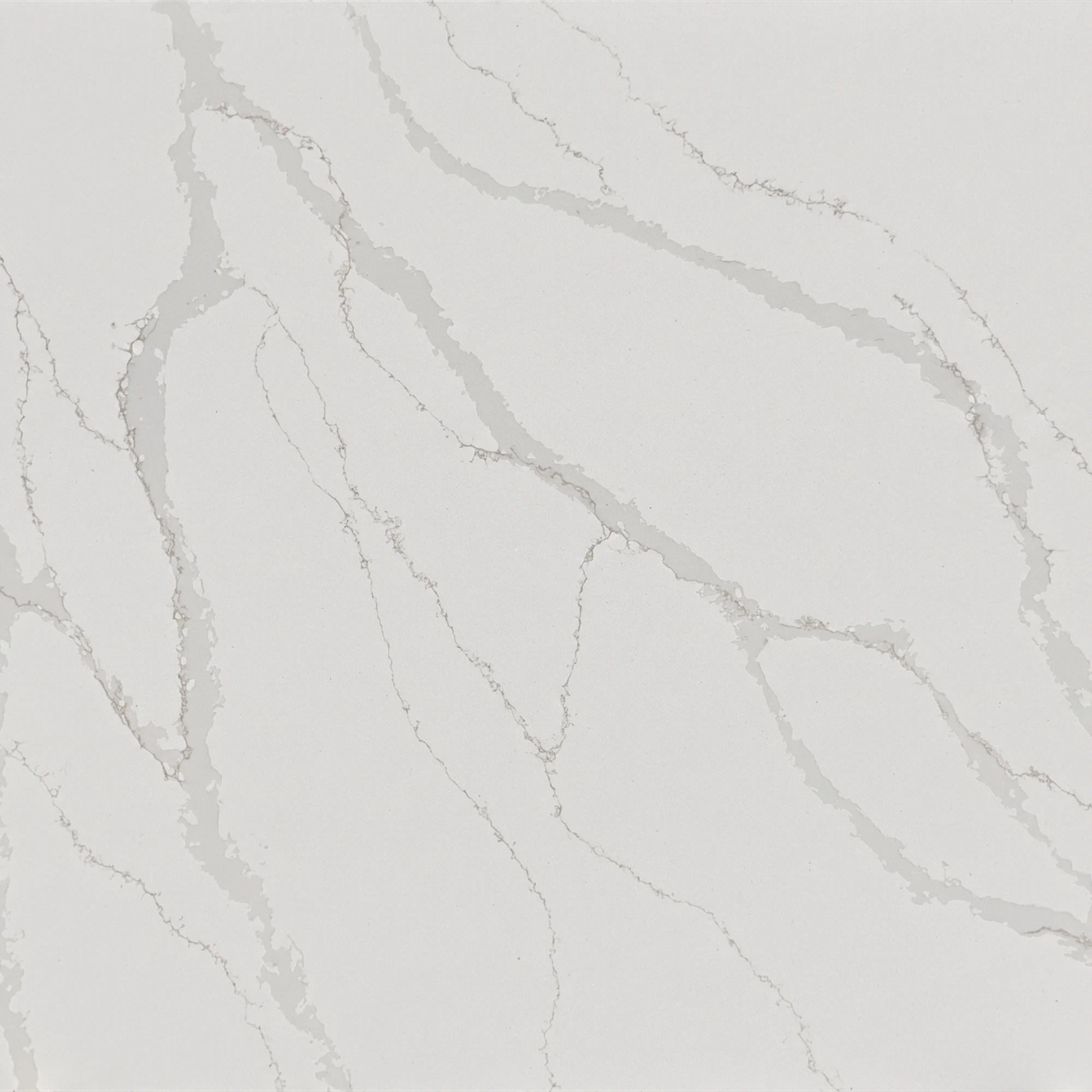
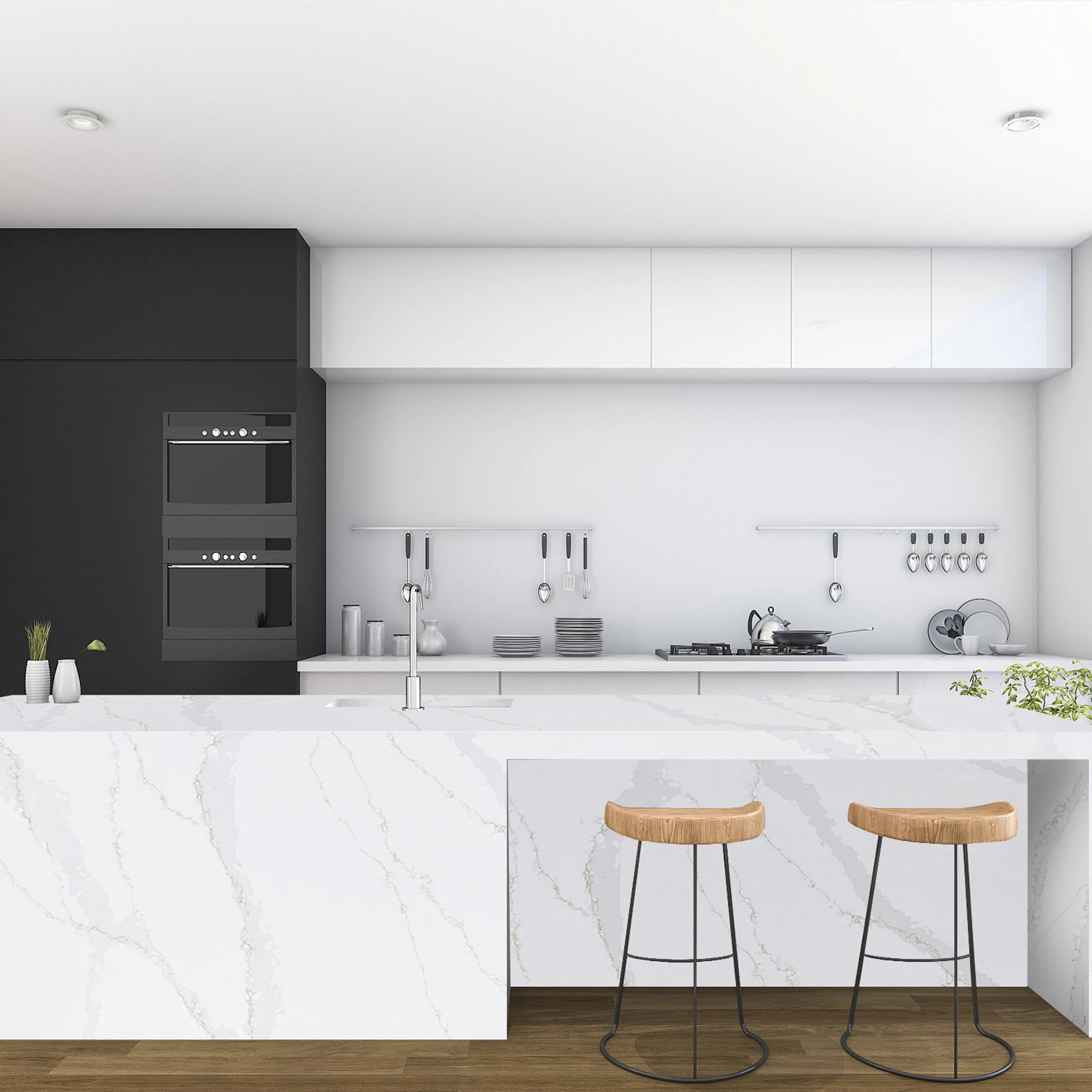
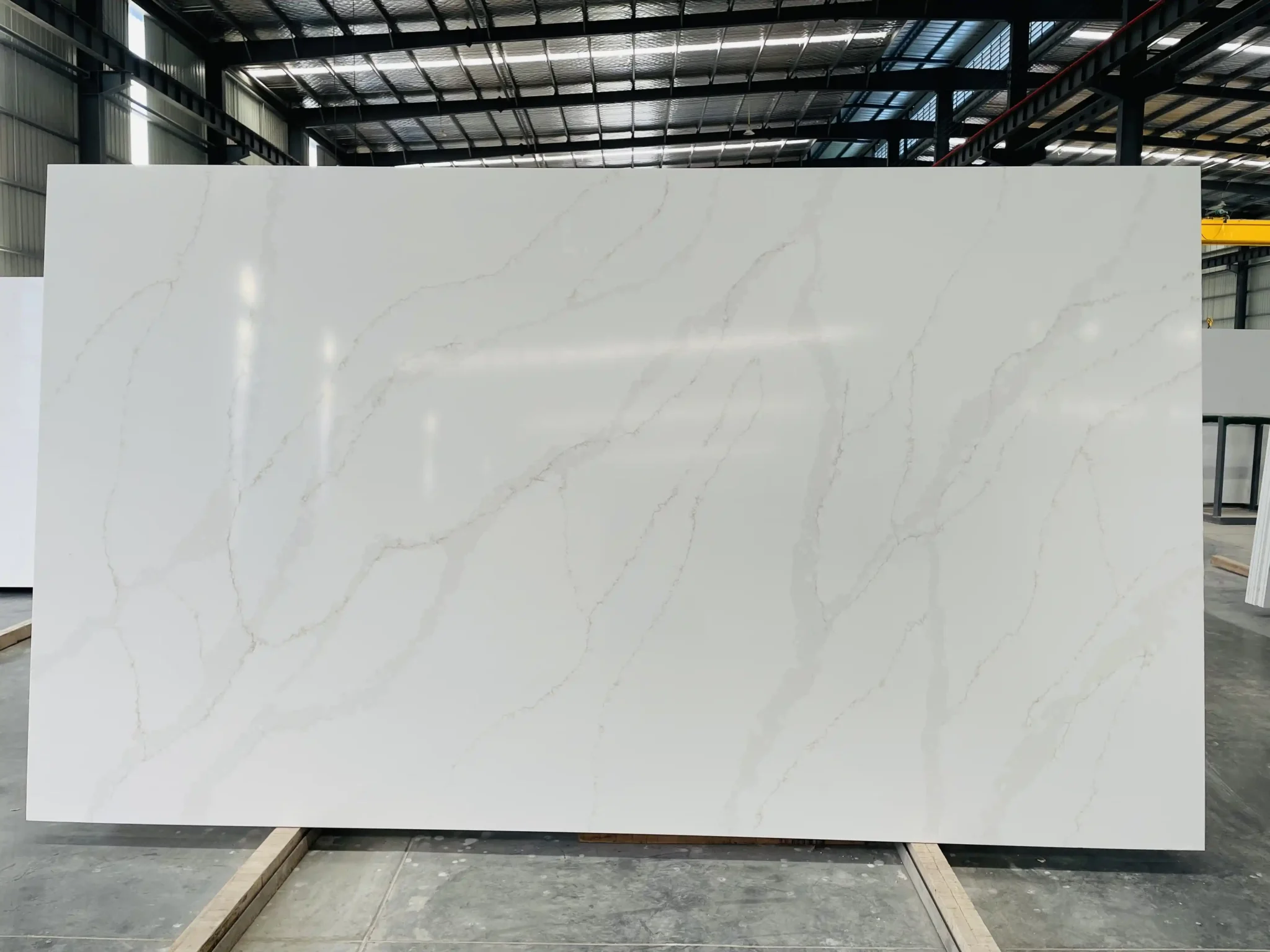
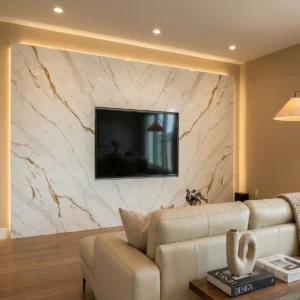
| Primary Color(s) | Bright White |
| Accent Color(s) | Soft Light Grey Veining + Subtle Cool Grey Streaks |
| Craft | Regular |
| Finishes | Polished / Honed / Suede / Leathered |
| Customized Size | 138″ × 79″ / 126″ × 63″ / Customizable |
| Thickness | 20mm/30mm/Customizable |
| Edge Style | Eased polished edge/2+2cm laminated edge/Mitred edge |
| Full Body Quartz | Yes |
| Bookmatch Available | Yes |
| Place of Origin | Thailand |
| Port of Transportation | Thailand |
| Packaging | Foam or carton inside + strong wooden crates with reinforced straps outside and fumigation |
| Delivery time | 15-20 days / Express service is negotiable. |
| MOQ | 10 ㎡ |
| Payment terms | 30%T/T after confirm the order and the 70% T/T by copy of B/L |
| Countertops Residential: Yes Commercial: Yes |
| Wall Residential: Yes Commercial: Yes |
| Flooring Residential: Yes Commercial: Yes |
Description:
Frequently asked questions
What are the best white quartz countertops with gold?
The best white quartz countertops with gold veins are full-body printed slabs that replicate Calacatta Gold marble — not just surface-deep, but consistent through the edge and cut face.
Most fabricators will tell you: if the gold veining disappears or flattens on a polished edge, it’s surface-printed, and that shows up fast in real-world kitchens.
Grand Quartz Tech’s GQ-T252 uses full-body printed quartz tech — meaning the gold pigment and vein structure run all the way through the slab, so your waterfall edge or mitered corner looks intentional, not patched.
In high-traffic commercial spaces, we’ve seen GQ-T252 hold up well under daily cleaning — but keep in mind: polished finishes on light backgrounds show smudges and water spots more than honed or suede.
Installers usually recommend wiping down polished gold-veined slabs after prep work to avoid residue buildup in the veins.
Also, UV exposure over time can shift warmer pigments — especially in sun-drenched bathrooms — so if the space gets direct afternoon light, consider a slightly cooler gold tone.
Always pull a physical sample and view it under both warm and cool LED lighting before finalizing.
What is quartz with gold veins called?
In the shop, we call it 'Calacatta Gold quartz' — but that’s just shorthand.
There’s no industry standard name, and the term doesn’t guarantee consistency.
Some suppliers label anything with yellowish streaks as 'Gold Vein,' even if the pattern’s thin, repetitive, or fades near the edge.
Grand Quartz Tech uses pattern names like GQ-T252 to avoid confusion — it’s tied directly to their full-body print file and resin batch.
That matters because pigment depth, vein thickness, and base white tone vary wildly between factories.
Homeowners often report after a year or two that cheaper versions yellow faster — especially where seams meet near windows — because lower-grade resins oxidize under UV.
GQ-T252 runs on low-silica, UV-stable resin lines out of their Chonburi plant, which helps maintain color integrity.
But even then, 'gold' isn’t metal — it’s pigment suspended in resin.
So if your project has tight tolerances for tone matching (like bookmatched islands), always request slabs from the same production run.
Don’t rely on the name — rely on the batch number and a side-by-side sample.
What is the name of quartz with gold veins?
There isn’t one official name — it’s marketing shorthand, not material science.
You’ll hear 'Calacatta Gold quartz,' 'Taj Mahal quartz,' or 'Eternal Calacatta Gold,' but those are pattern descriptors, not specs.
What actually matters is how the gold is embedded: surface-printed vs. full-body printed.
Fabricators know the difference the minute they see a cut edge — surface prints fade or ghost on exposed edges; full-body holds the vein through the entire 3cm thickness.
GQ-T252 falls in the latter camp, using Grand Quartz Tech’s digital print-on-resin process that layers pigment before compression, not after.
That’s why seam telegraphing is minimal — even on busy patterns — and why bookmatching works reliably across jumbo slabs (up to 138" x 79").
But here’s the tradeoff: full-body printing costs more upfront, and lead times stretch a bit longer — usually 20–30 days from order to dock.
Also, 'gold' varies: some batches lean amber, others buttery, others brassy.
Always verify tone against a physical sample lit with your job site’s actual fixtures — phone pics lie, especially on warm tones.
What is white quartz with gold in it?
White quartz with gold in it is engineered quartz — ground quartz aggregate bound with resin and pigmented with gold-toned oxides or organic dyes.
The 'gold' isn’t metallic; it’s pigment suspended in the resin matrix.
In real-world kitchens, that means it won’t scratch off, but it *can* shift under prolonged UV exposure — especially near south-facing windows.
Grand Quartz Tech’s GQ-T252 uses UV-resistant resins developed for Thailand’s intense sunlight, which helps delay yellowing versus standard formulations.
Still, installers usually recommend avoiding direct sun on polished gold-veined surfaces where possible — or specifying a honed finish to diffuse glare and soften vein contrast.
Thermal shock is another quiet issue: pouring boiling water directly onto a cold polished slab can stress the resin-pigment bond, causing micro-fractures that trap debris in gold veins.
For residential projects, most fabricators suggest sealing only the cut edges — not the surface — since quartz doesn’t need it, but edge sealing prevents moisture wicking into the resin during installation cleanup.
And remember: 'white' isn’t pure — GQ-T252 starts with a warm white base, so it reads richer next to cool-toned cabinets but may clash with stark white tile.