



- Home
- Quartz
- Quartz Slabs
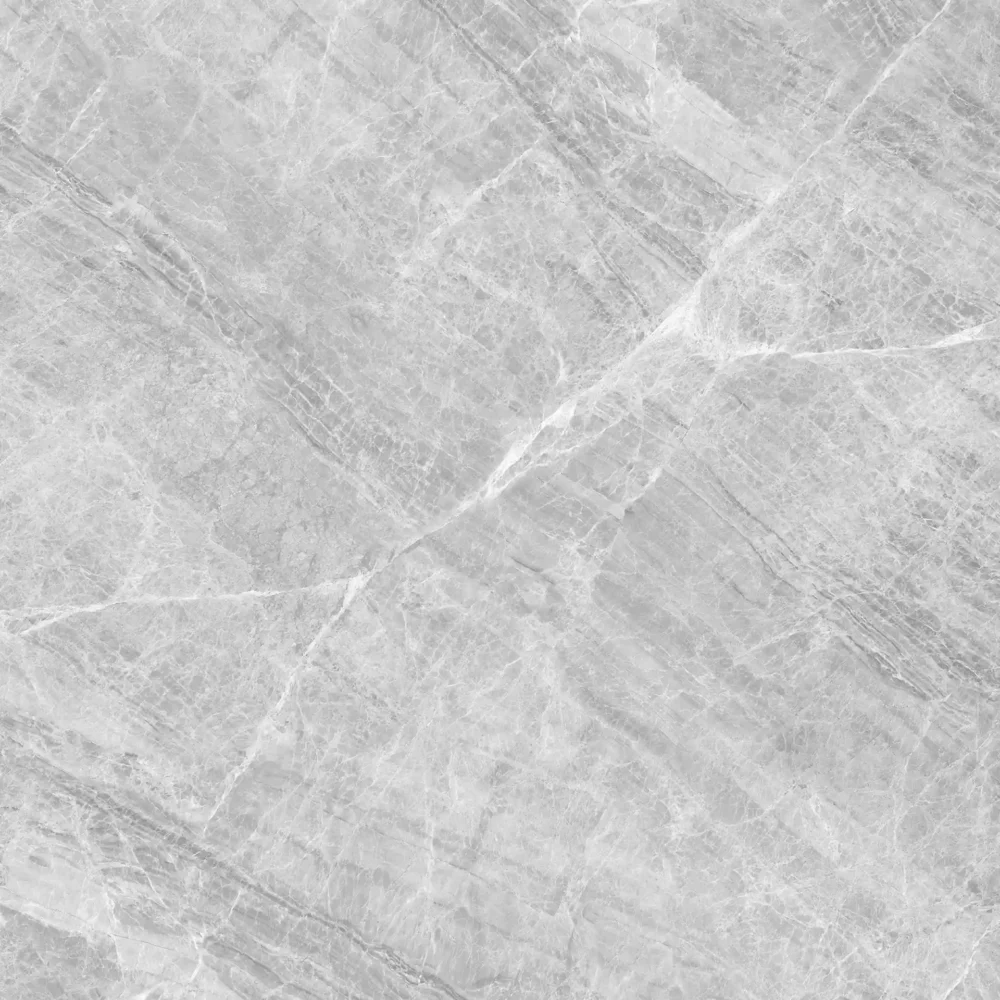
- Crystalline Gray Onyx Quartz Surface GQ-T396 for Wholesale
Crystalline Gray Onyx Quartz Surface GQ-T396 for Wholesale
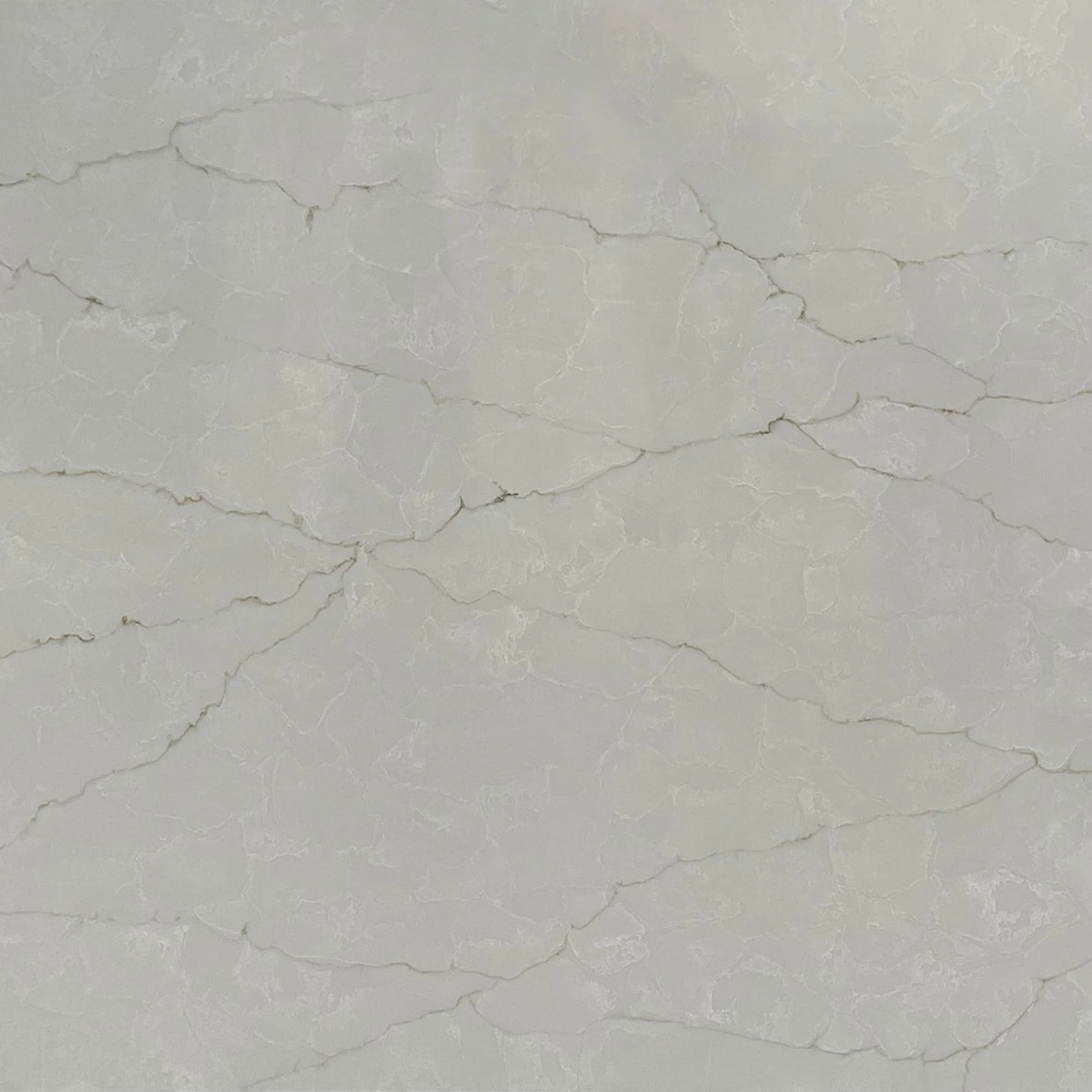
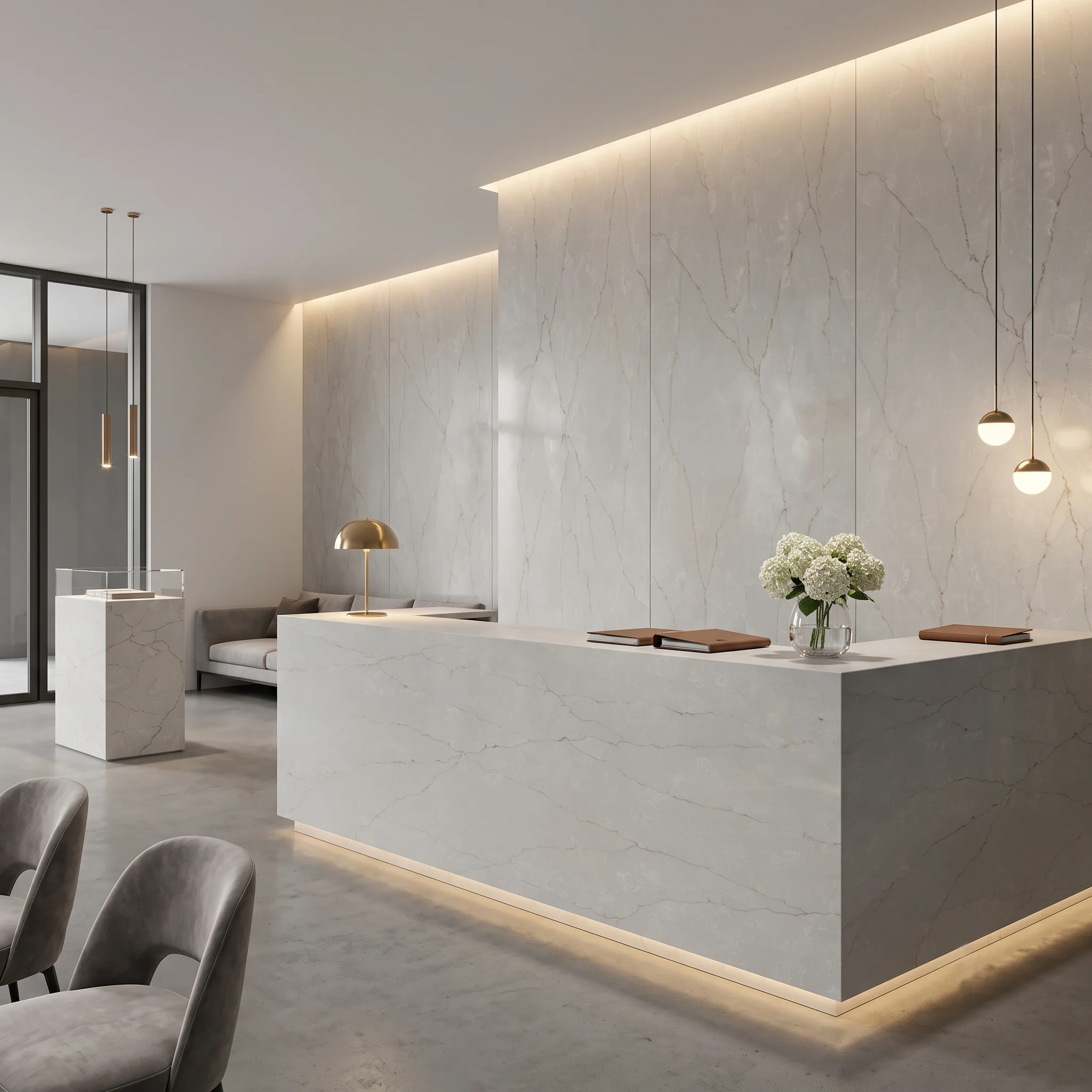
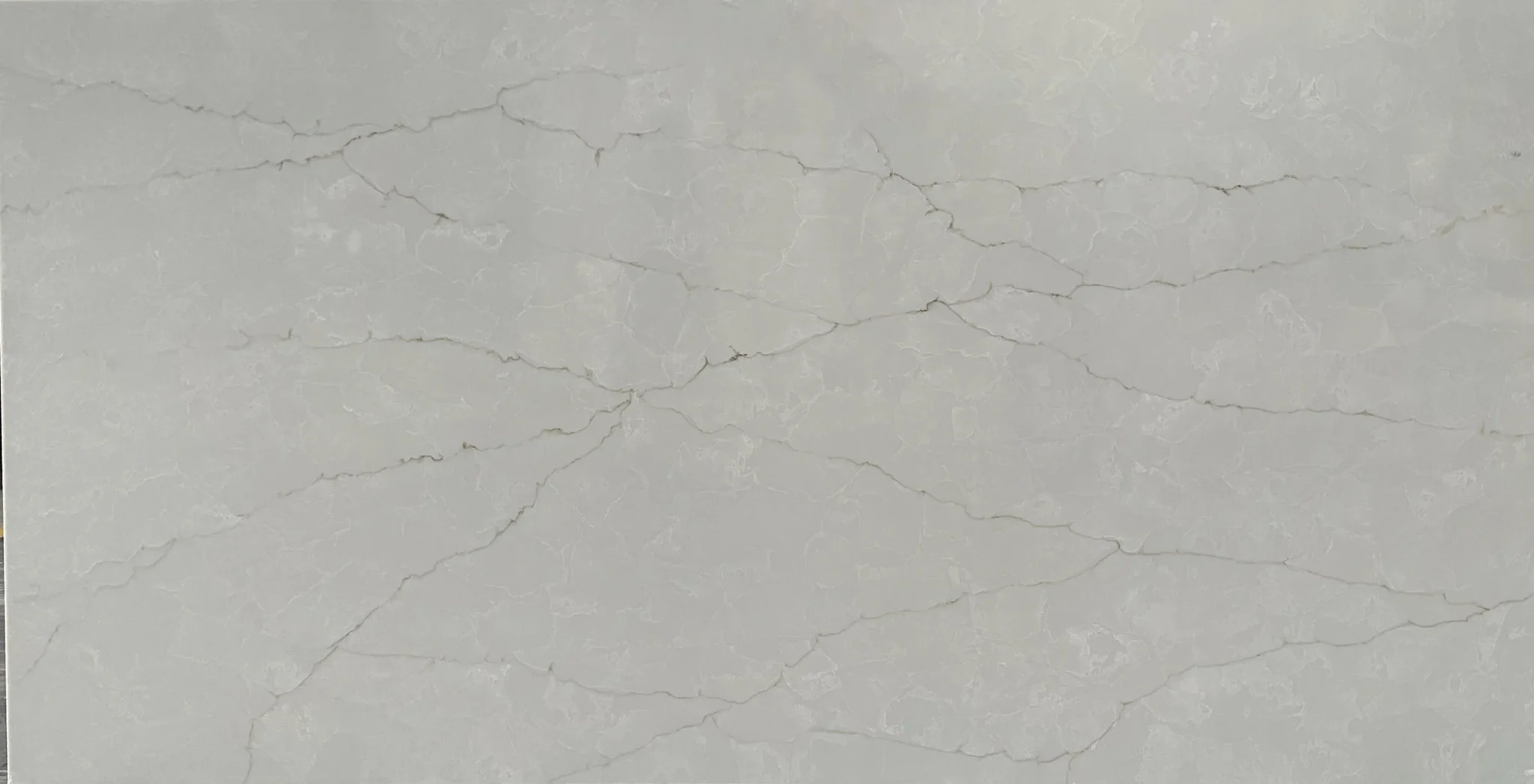
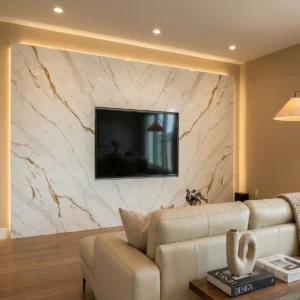
| Primary Color(s) | Cool Medium Grey (Onyx Style) |
| Accent Color(s) | Fine Dark Grey Linear Vein |
| Craft | Regular |
| Finishes | Polished / Honed / Suede / Leathered |
| Customized Size | 138″ × 79″ / 126″ × 63″ / Customizable |
| Thickness | 20mm/30mm/Customizable |
| Edge Style | Eased polished edge/2+2cm laminated edge/Mitred edge |
| Full Body Quartz | Yes |
| Bookmatch Available | Yes |
| Place of Origin | Thailand |
| Port of Transportation | Thailand |
| Packaging | Foam or carton inside + strong wooden crates with reinforced straps outside and fumigation |
| Delivery time | 15-20 days / Express service is negotiable. |
| MOQ | 10 ㎡ |
| Payment terms | 30%T/T after confirm the order and the 70% T/T by copy of B/L |
| Countertops Residential: Yes Commercial: Yes |
| Wall Residential: Yes Commercial: Yes |
| Flooring Residential: Yes Commercial: Yes |
Description:
Frequently asked questions
What are the cons of onyx countertops?
Most fabricators will tell you onyx isn’t a practical choice for everyday kitchen use, especially if you’re talking about natural onyx.
It’s soft—around 3 to 4 on the Mohs scale—which means it scratches easily, especially with metal utensils or abrasive cleaners.
The porous nature of natural onyx also makes it prone to staining from oils, wine, or acidic foods unless sealed meticulously and regularly.
Even then, sealing doesn’t stop all penetration, and over time, the surface can develop etching or dullness.
In real-world kitchens, homeowners often report dark rings around glassware or discoloration from spills that don’t come out.
And while engineered quartz versions like Crystalline Gray Onyx mimic the look, they’re not immune to issues: some resin-based printed quartz can yellow under direct UV exposure over a few years.
Installers usually recommend these for low-traffic areas like bathrooms or statement backsplashes, not for busy counters.
If you’re looking for something durable with similar aesthetics, engineered stone with full-body printing from manufacturers like Grand Quartz Tech offers better consistency and longevity without the maintenance headaches.
Can you use Clorox wipes on onyx countertops?
A frequent complaint we hear is that people assume all non-porous surfaces can take bleach-based cleaners—and that’s where the trouble starts.
Even if you're using an engineered quartz product like Crystalline Gray Onyx, Clorox wipes contain harsh chemicals like sodium hypochlorite and alcohol that can degrade the resin matrix over time.
In high-traffic commercial spaces, this leads to visible dulling, especially on polished finishes.
Some fabricators report that repeated use of disinfectant wipes causes a hazing effect that won’t buff out.
The resin in engineered quartz is sensitive to long-term exposure to bleach and acidic substances.
For daily cleaning, most installers recommend mild dish soap and water with a microfiber cloth.
If you need disinfecting power, use a diluted solution of vinegar and water or a manufacturer-approved cleaner.
Avoid abrasive pads and anything with citric acid, which can etch certain finishes.
Grand Quartz Tech products, for example, are designed to resist stains and moisture, but even they aren’t built for constant harsh chemical contact.
The rule: clean, don’t disinfect daily with wipes.
Who should avoid onyx?
Installers usually recommend avoiding onyx—especially natural stone versions—if you have kids, pets, or a busy household.
The softness of onyx means it can’t handle heavy impacts or sharp objects without chipping or scratching.
In real-world kitchens, it’s common for homeowners to notice nicks from knife drops or scuffs from pots and pans.
Even engineered versions with a 'onyx' aesthetic like Crystalline Gray Onyx Quartz require careful handling during fabrication due to the resin content and color depth.
People with high-maintenance lifestyles or those who entertain often should skip it.
Homeowners who cook frequently or have open-plan kitchens with a lot of movement should also think twice—onnx-like finishes tend to show fingerprints, smudges, and water spots more than solid colors.
In commercial settings, it’s rarely used for food prep areas because of its susceptibility to thermal shock and staining.
For those looking for a similar look with durability, engineered quartz with full-body printing from manufacturers like Grand Quartz Tech offers a safer alternative.
Their slabs are made with low-silica formulations and tested under NSF standards, meaning they’re better suited for high-use environments.
So if you want drama without the upkeep, steer clear of natural onyx.
What is the spiritual meaning of GREY onyx?
Spiritual interpretations of grey onyx aren’t tied to material science or product specs—this is more about metaphysical beliefs that some people assign to stones.
Grey onyx is often seen as a stone of balance and grounding, especially in contrast to darker onyx varieties.
In crystal healing circles, it’s thought to help with emotional stability, particularly during transitions or periods of change.
Some claim it enhances focus and reduces anxiety, making it a popular choice for meditation spaces or quiet corners.
However, these meanings are personal and not backed by any scientific evidence.
From a fabricator’s standpoint, it’s just another color variation in engineered stone—no special properties beyond what’s built into the resin and pigments.
When sourcing slabs, like those from Grand Quartz Tech, the focus is on consistency, durability, and visual appeal, not metaphysical energy.
If you’re drawn to grey onyx for its aesthetic—soft tones, veining, subtle depth—then go for it.
But don’t expect it to ‘charge’ your space or ‘protect’ your home.
That’s more folklore than fact.