



- Home
- Quartz
- Quartz Slabs
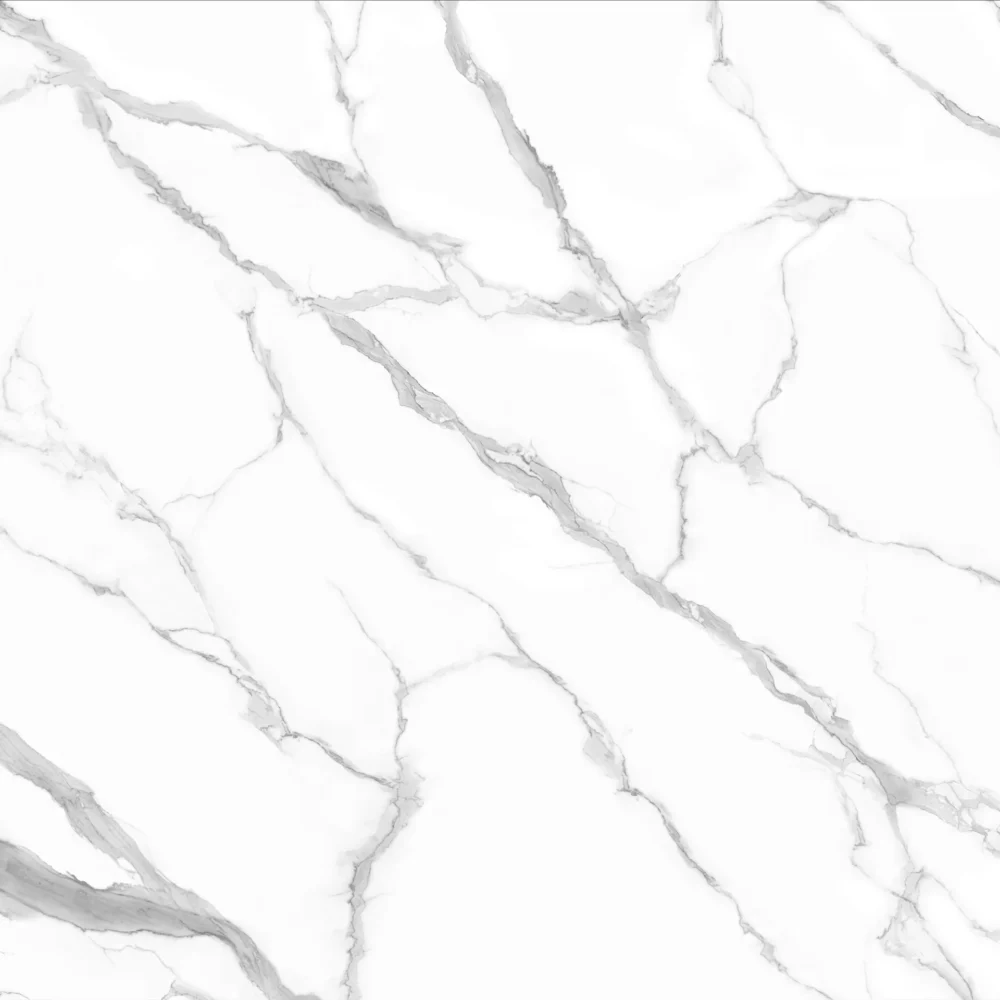
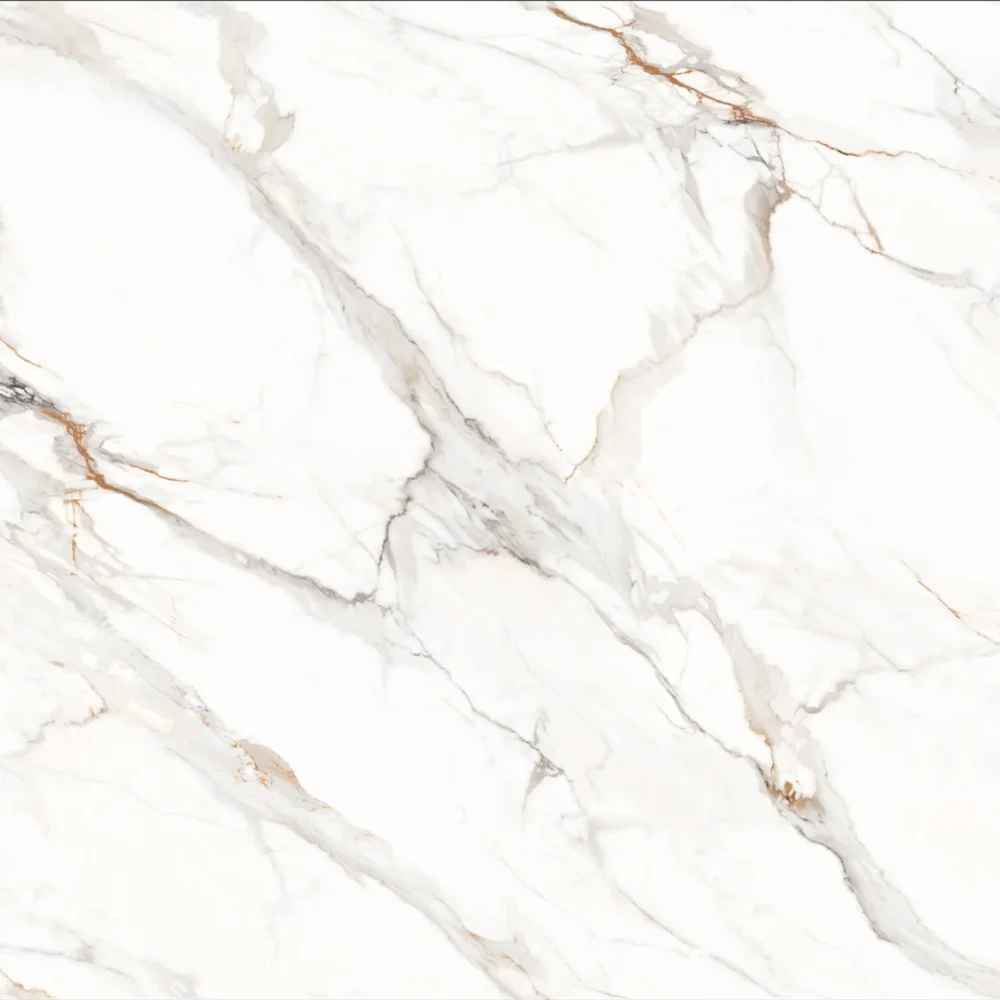
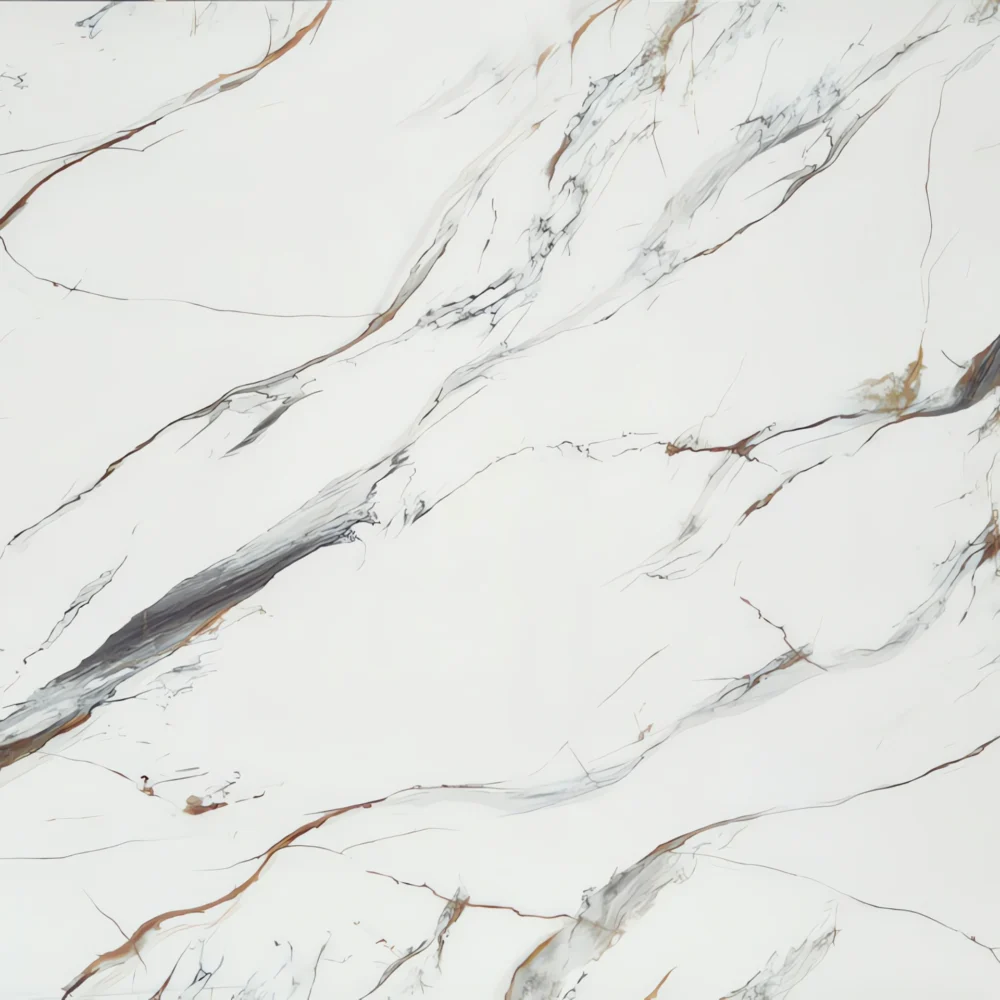
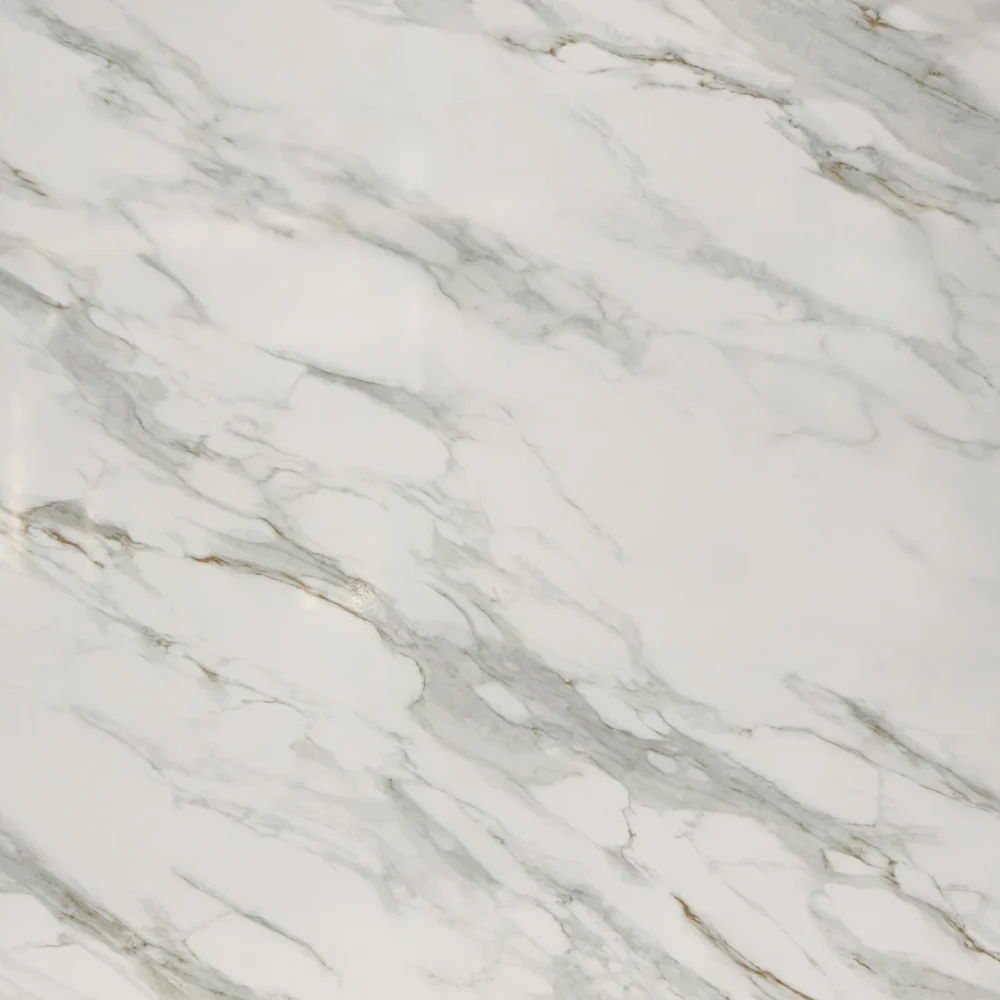
- Dark Grey Calacatta Quartz Slabs GQ-T295 for wholesale
Dark Grey Calacatta Quartz Slabs GQ-T295 for wholesale
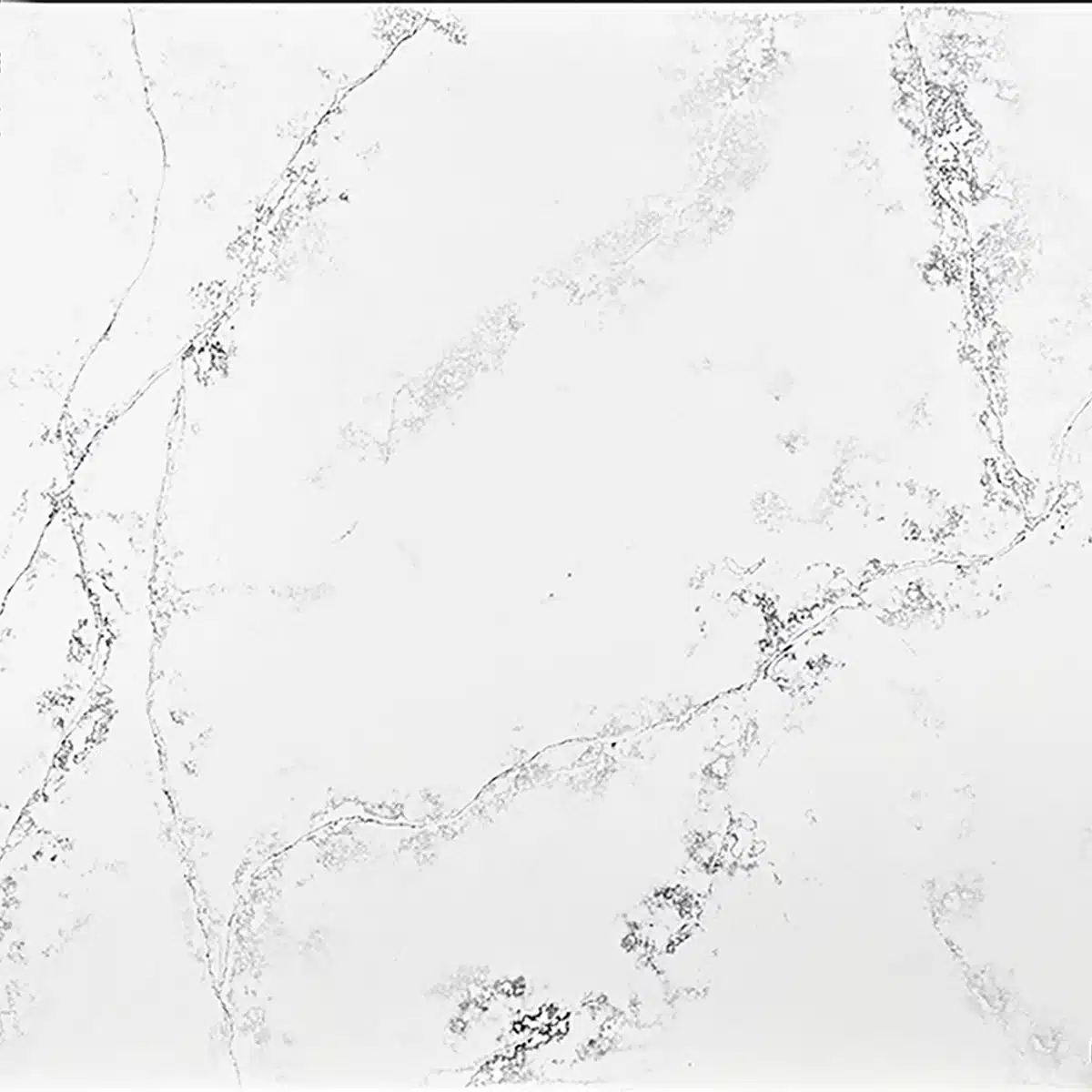
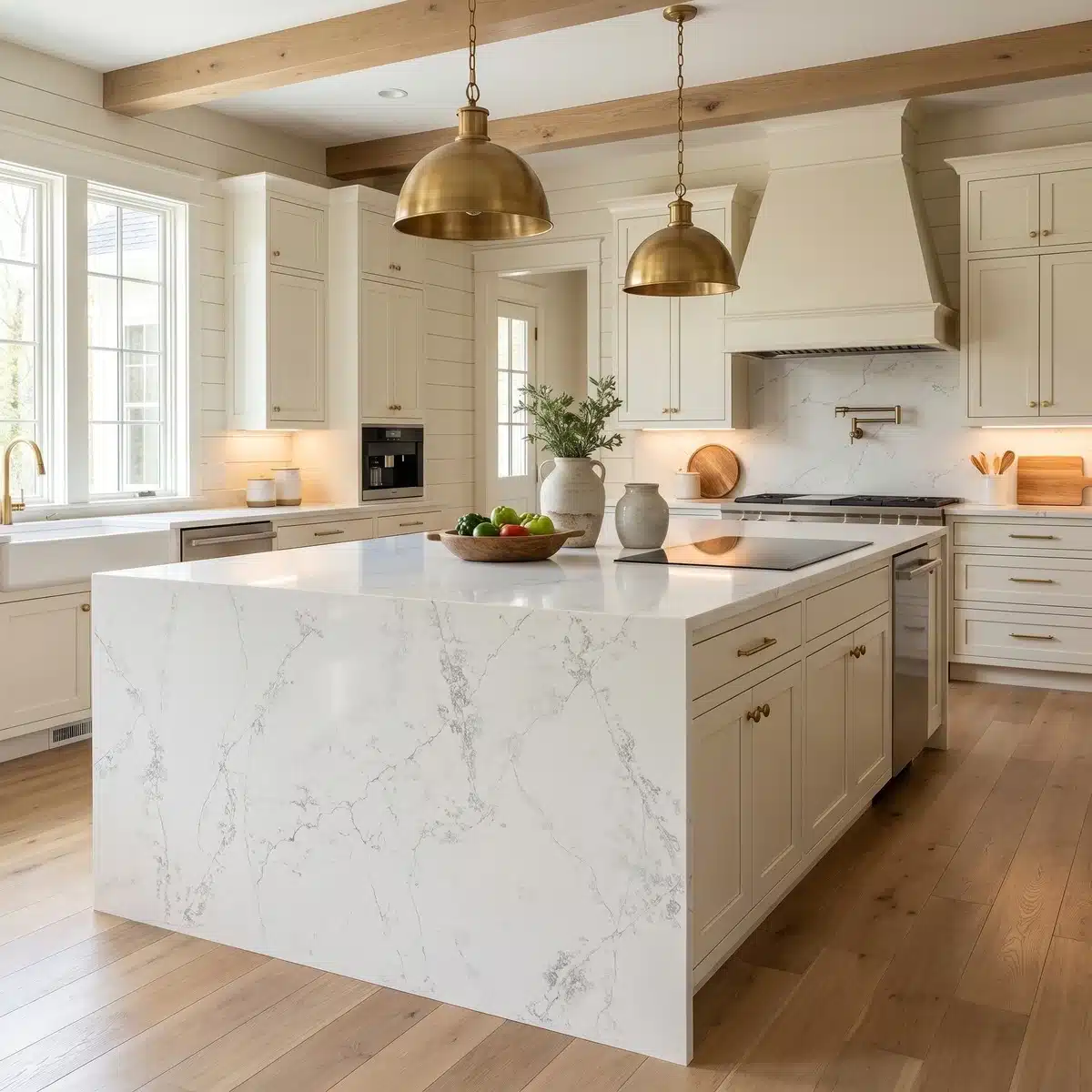
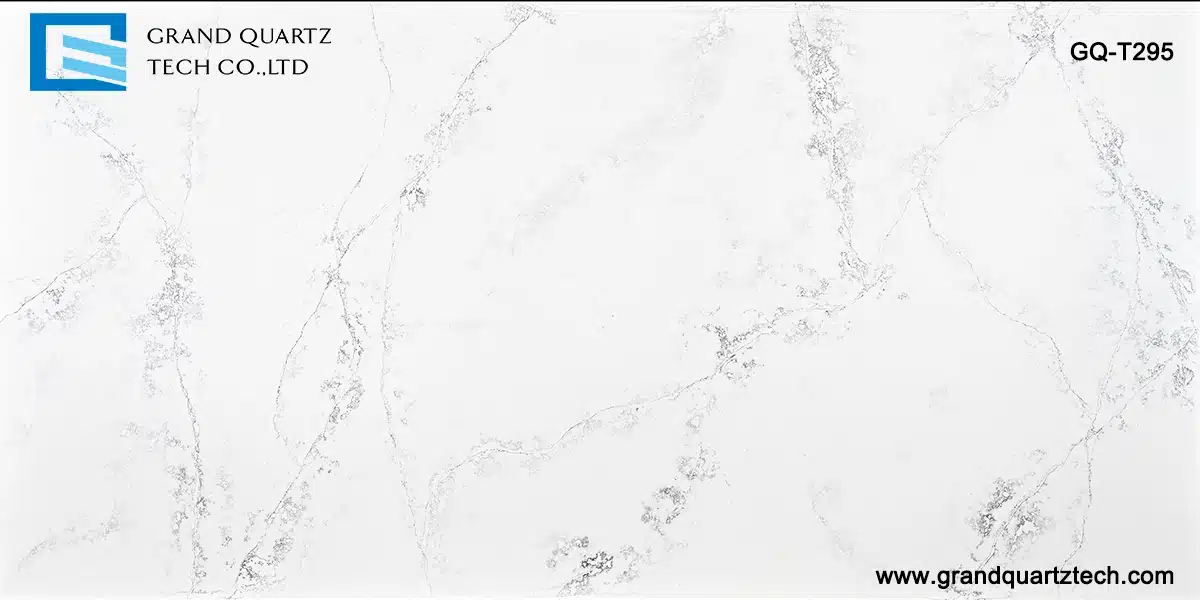
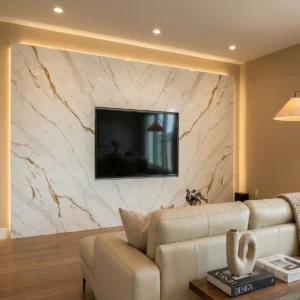
| Primary Color(s) | Bright White |
| Accent Color(s) | Soft Grey Veining |
| Craft | Regular |
| Finishes | Polished / Honed / Suede / Leathered |
| Customized Size | 138″ × 79″ / 126″ × 63″ / Customizable |
| Thickness | 20mm/30mm/Customizable |
| Edge Style | Eased polished edge/2+2cm laminated edge/Mitred edge |
| Full Body Quartz | Yes |
| Bookmatch Available | Yes |
| Place of Origin | Thailand |
| Port of Transportation | Thailand |
| Packaging | Foam or carton inside + strong wooden crates with reinforced straps outside and fumigation |
| Delivery time | 15-20 days / Express service is negotiable. |
| MOQ | 10 ㎡ |
| Payment terms | 30%T/T after confirm the order and the 70% T/T by copy of B/L |
| Countertops Residential: Yes Commercial: Yes |
| Wall Residential: Yes Commercial: Yes |
| Flooring Residential: Yes Commercial: Yes |
Description:
Frequently asked questions
Is Dawn dish soap safe on quartz?
Yes, Dawn is safe *in moderation*, but it’s not ideal for long-term care.
It’s non-abrasive and cuts light grease without scratching, so contractors often reach for it during install cleanup or after cooking spills.
But here’s what most don’t tell you: Dawn leaves behind a thin film if not rinsed well—especially on honed or matte finishes—and that film attracts dust and oils over time.
On polished slabs, it can dull the sheen after repeated use.
I’ve watched homeowners go from bright white countertops to a flat, streaky finish in under a year because they used Dawn daily instead of a dedicated quartz cleaner.
Also, Dawn contains sodium lauryl sulfate—a foaming agent that’s fine for dishes but unnecessary for stone.
For everyday use, warm water and a microfiber cloth are enough.
If you need extra cleaning power, choose a pH-balanced quartz cleaner.
GQ’s printed quartz slabs have full-body consistency, so surface wear won’t reveal a different substrate—but it still wears down the finish layer, and that’s irreversible.
Is Windex ok to use on quartz?
Original Windex (ammonia-based) works in a pinch—but it’s risky on polished quartz.
Ammonia cuts grease fast, which is why some installers keep it handy for final wipe-downs.
But ammonia dries out the resin binder over time, especially under heat or direct sun.
In high-traffic commercial spaces—like hotel lobbies or restaurant prep areas—I’ve seen subtle etching develop on polished Calacatta-style patterns after six months of weekly Windex use.
It also leaves streaks on dark colors unless buffed perfectly dry.
And if your slab has UV-sensitive pigments (common in budget lines), ammonia accelerates yellowing.
Better to dilute Windex 1:4 with water and use only on sealed, non-porous surfaces—but even then, rinse immediately.
For consistent results, go with a quartz-specific cleaner that’s alcohol-free and pH-neutral.
Grand Quartz Tech uses UV-stabilized pigments and low-VOC resins in its Stone Look line, so it handles occasional ammonia exposure better than older formulations—but ‘better’ isn’t ‘safe.’ Reserve Windex for glass, not quartz.
What are quartz countertops?
Quartz countertops are factory-made slabs—typically 90–95% ground quartz bound with polymer resins and pigments.
Unlike granite or marble, they’re non-porous, so no sealing is needed, and stain resistance comes from the resin matrix, not surface treatment.
That’s why fabricators like them: consistent color, minimal slab variation, and predictable edge profiles.
But it’s not all upside.
Resin content means thermal shock matters—set hot pans directly on it and you risk microfractures, especially near seams or cutouts.
Polished finishes show fingerprints and smudges more than honed ones.
Busy veined patterns can telegraph seam lines if bookmatched poorly.
And while jumbo slabs reduce seams, most US distributors still rely on 126″ x 63″—so large islands often need at least one seam.
Grand Quartz Tech runs dedicated super slab production lines in Thailand and offers super jumbo sizes up to 138″ x 79″, which helps minimize seams on big commercial jobs.
Their Full Body Printed Quartz tech means pattern continuity through the slab thickness—so edges and backsplashes match the top surface, unlike some older printed lines where the pattern fades at the edge.