



- Home
- Quartz
- Quartz Slabs
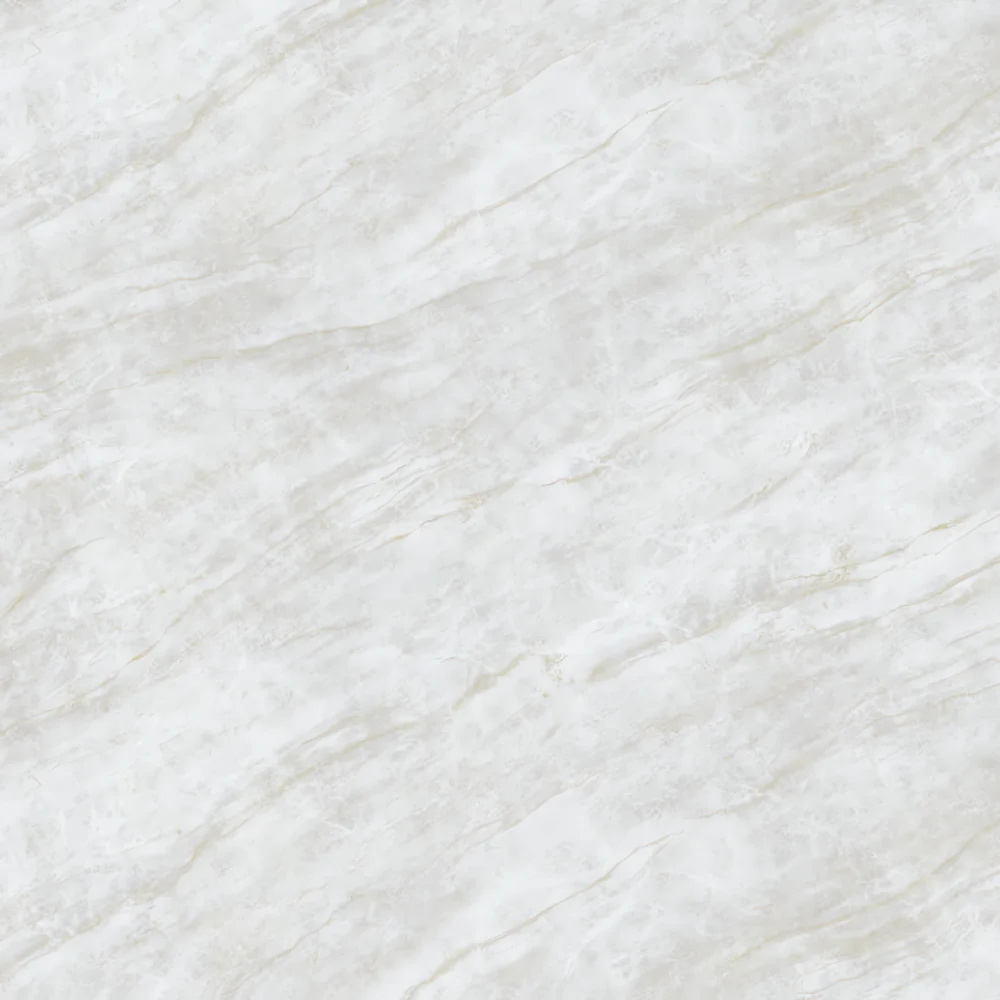
- Grey Creek Quartz Surface GQ-T219 for Wholesale
Grey Creek Quartz Surface GQ-T219 for Wholesale
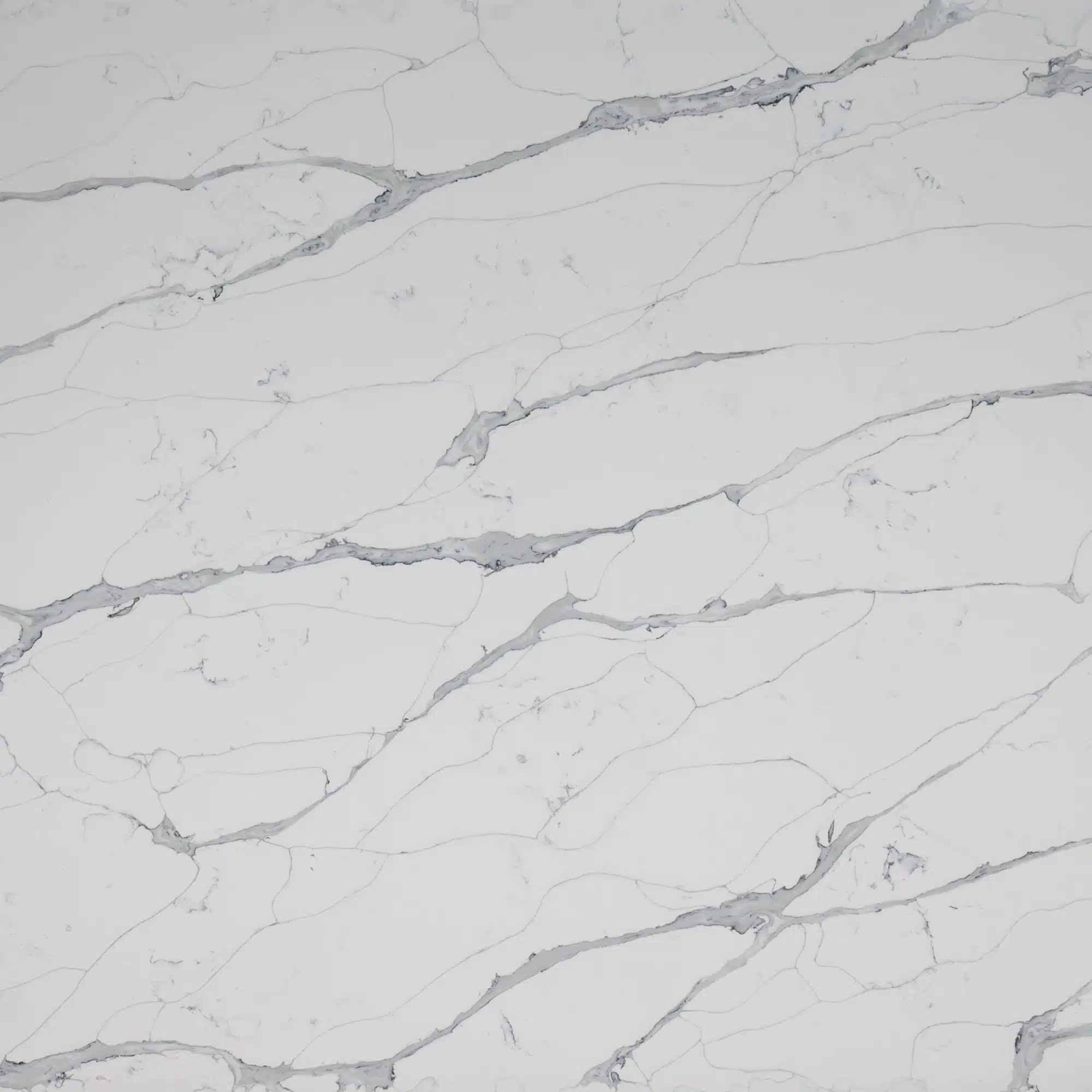
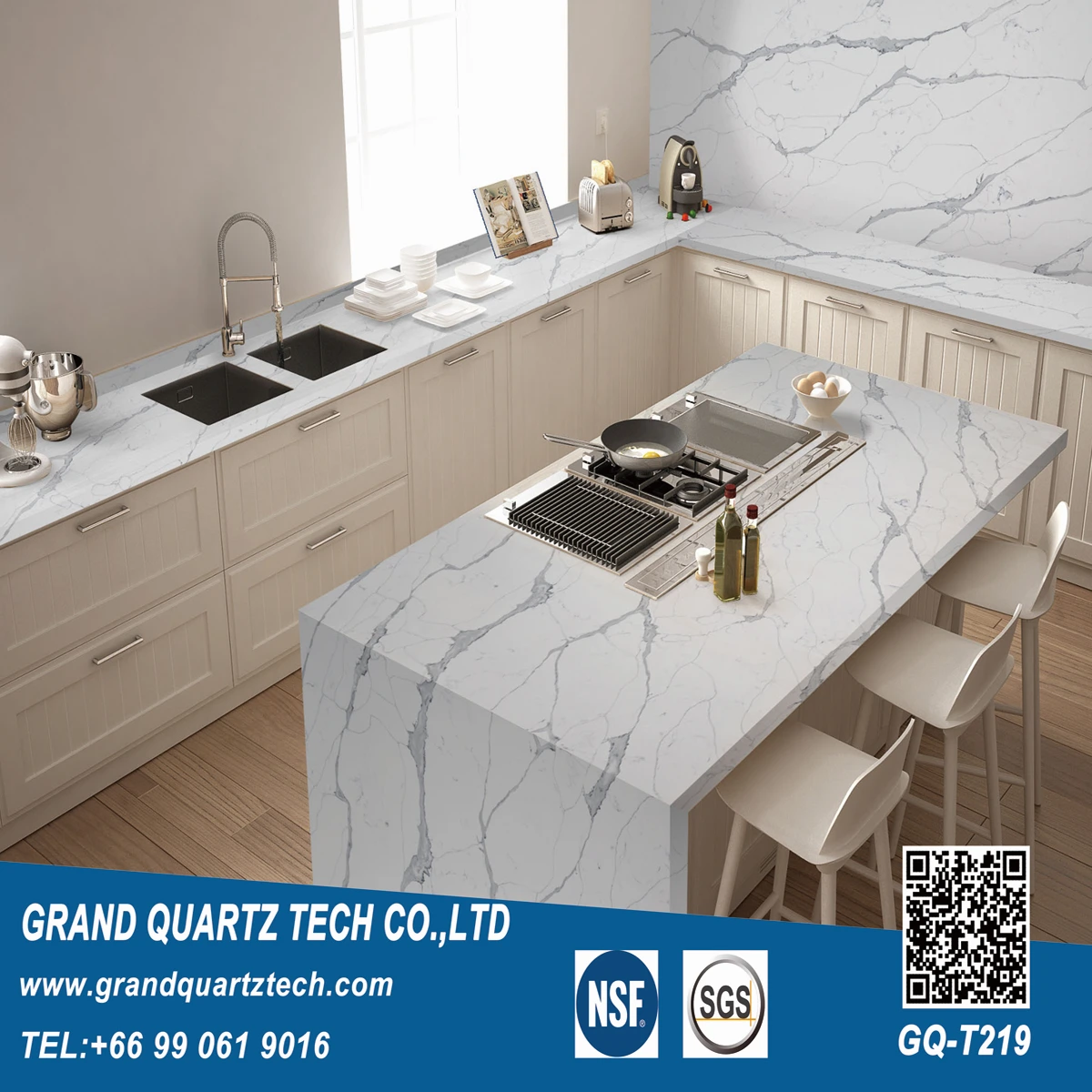
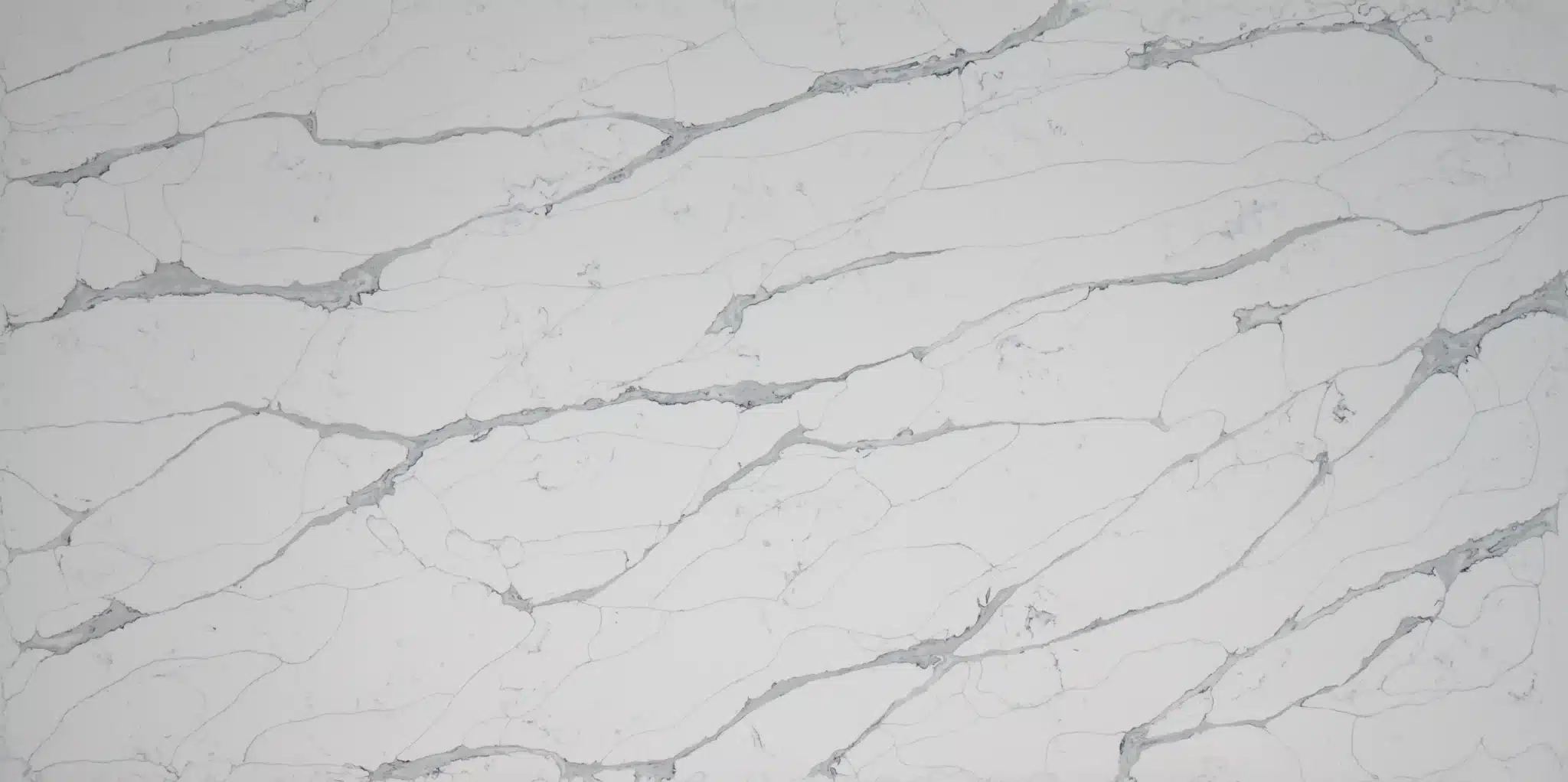
| Primary Color(s) | Crisp Pure White |
| Accent Color(s) | Cool Silver Grey Vein + Faint Blue-Grey Tone |
| Craft | Regular |
| Finishes | Polished / Honed / Suede / Leathered |
| Customized Size | 138″ × 79″ / 126″ × 63″ / Customizable |
| Thickness | 20mm/30mm/Customizable |
| Edge Style | Eased polished edge/2+2cm laminated edge/Mitred edge |
| Full Body Quartz | Yes |
| Bookmatch Available | Yes |
| Place of Origin | Thailand |
| Port of Transportation | Thailand |
| Packaging | Foam or carton inside + strong wooden crates with reinforced straps outside and fumigation |
| Delivery time | 15-20 days / Express service is negotiable. |
| MOQ | 10 ㎡ |
| Payment terms | 30%T/T after confirm the order and the 70% T/T by copy of B/L |
| Countertops Residential: Yes Commercial: Yes |
| Wall Residential: Yes Commercial: Yes |
| Flooring Residential: Yes Commercial: Yes |
Description:
Frequently asked questions
Do you want it to last without spending a lot of time on countertop maintenance? Quartz is a great material but has its drawbacks, including being difficult to install, expensive, vulnerable to heat and having visible seams?
Honestly? Quartz is one of the best options if you want durability with minimal upkeep. It’s non-porous, so it resists stains, doesn’t need sealing like natural stone, and wipes clean with mild soap. But let’s be real—there are trade-offs. Installation is tricky. It’s not like granite; quartz is brittle and needs precise handling. Seams are inevitable on large runs, and they can be noticeable, especially if the installer isn’t skilled. Heat is a big issue—don’t put hot pots directly on it. A 300°F pan can cause clouding or etching. And yes, it’s pricey—especially top-tier brands. But if you’re not putting up with daily sealing, scrubbing, or worrying about stains, quartz delivers. Just make sure your fabricator knows what they’re doing. Good workmanship makes all the difference.
Dining table with matching quartz top as kitchen counter?
Yes, a dining table can use the same quartz as the kitchen countertop, and it is actually a popular choice in open-concept kitchens.
Using matching quartz for both the kitchen island/countertop and dining table creates a more connected look, especially in modern and luxury interiors. Many homeowners choose this design for built-in dining tables, waterfall islands with extensions, breakfast bars, and large kitchen islands.
Quartz works well for dining tables because it is:
- Durable and easy to clean – food stains, spills, and daily use are easier to manage compared with many natural stone surfaces.
- Consistent in appearance – using the same slab design keeps the kitchen and dining area visually coordinated.
- Available in many styles – marble-look quartz, quartzite-look quartz, concrete-look quartz, and solid colors can all work well for dining applications.
A few things to consider:
- A dining table usually needs a strong support structure because quartz slabs are heavy.
- Large overhangs may require additional reinforcement.
- For a more natural look, many designers use the same quartz pattern but select a different edge profile or table base to make the dining area feel more like furniture.
For high-end residential and hospitality projects, matching quartz countertops and dining tables is often used to create a seamless, custom-designed space. Marble-look quartz and quartzite-look quartz are especially popular choices for this application.