



- Home
- Quartz
- Quartz Slabs
- Noir Bulgari Quartz Countertops GQ-T357 for Wholesale
Noir Bulgari Quartz Countertops GQ-T357 for Wholesale
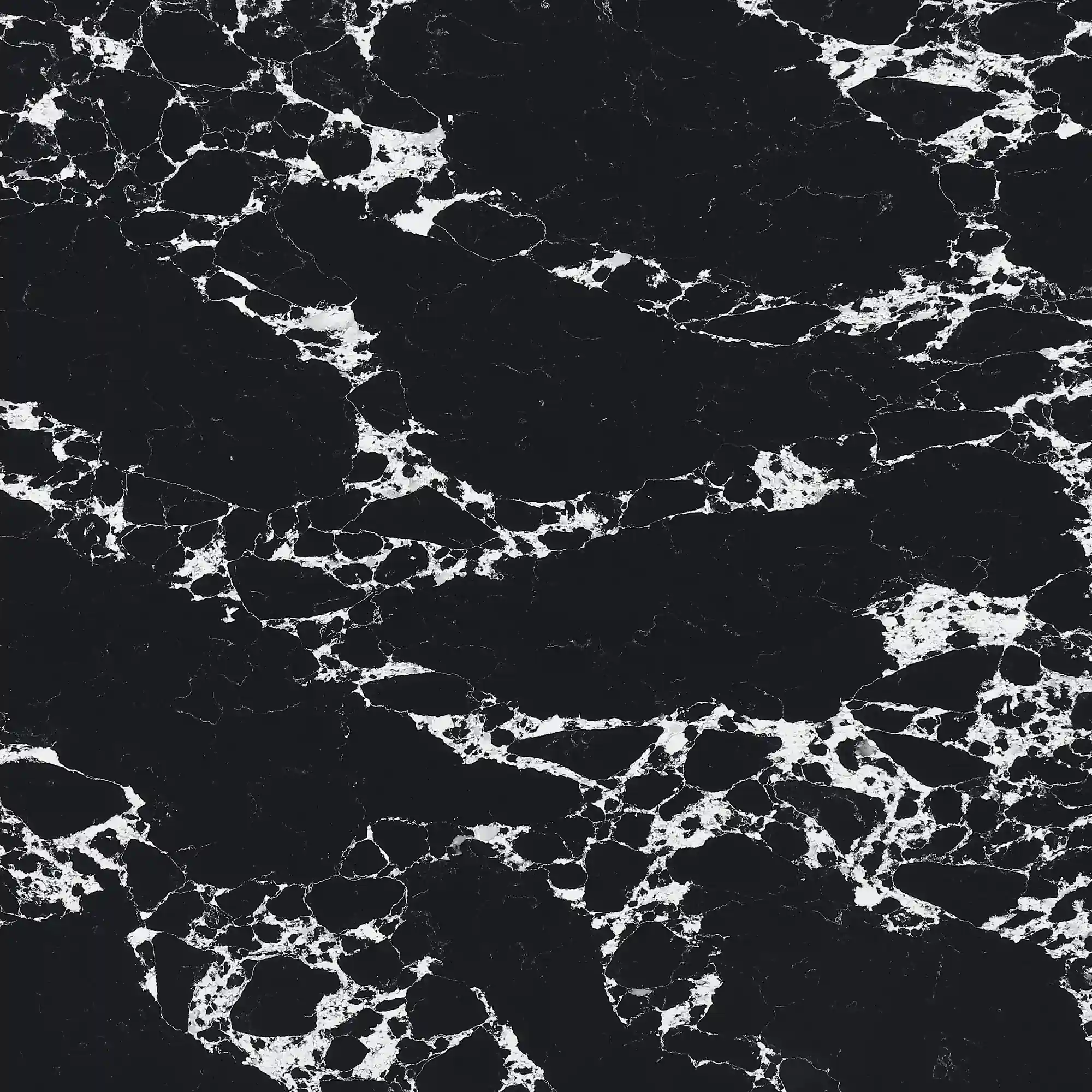
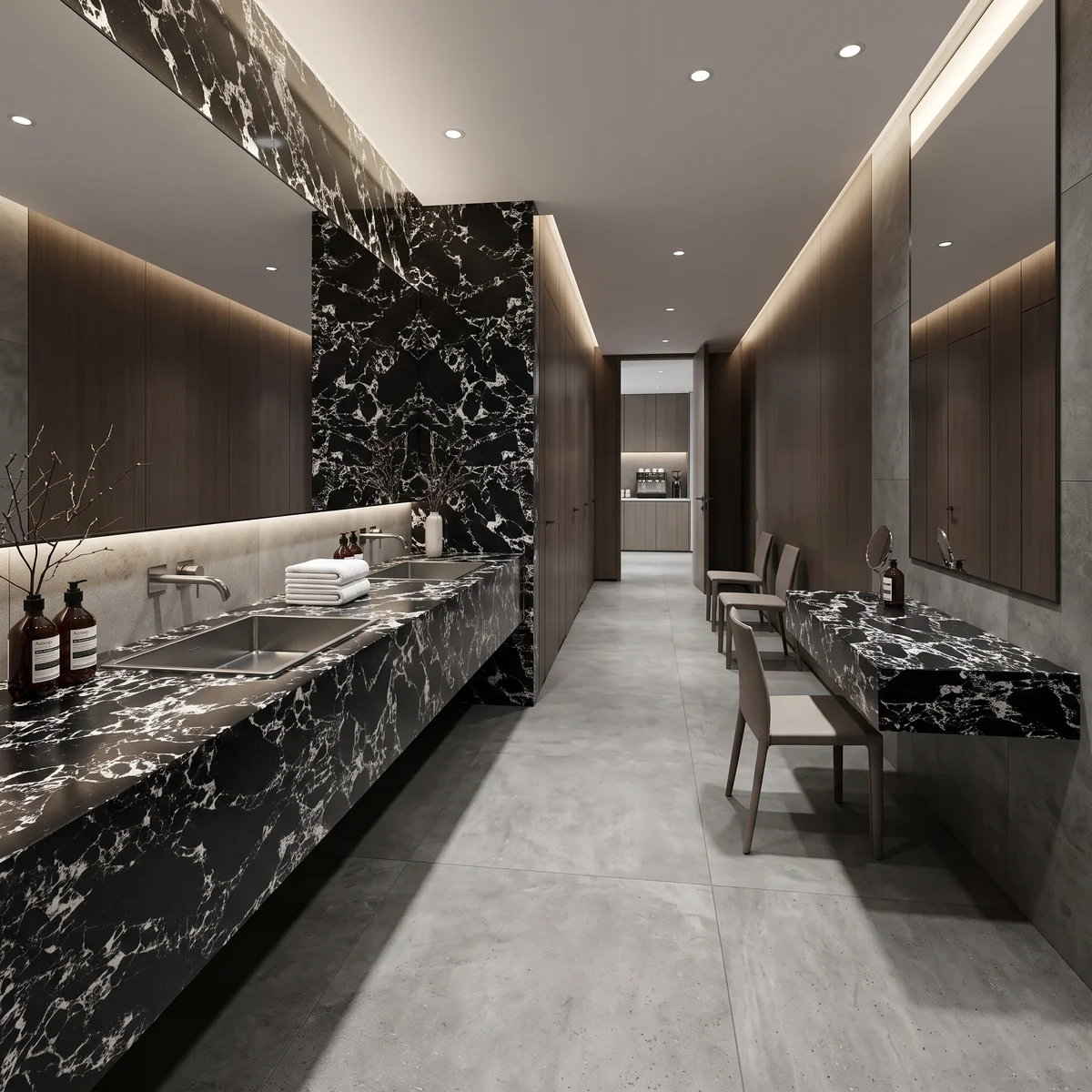
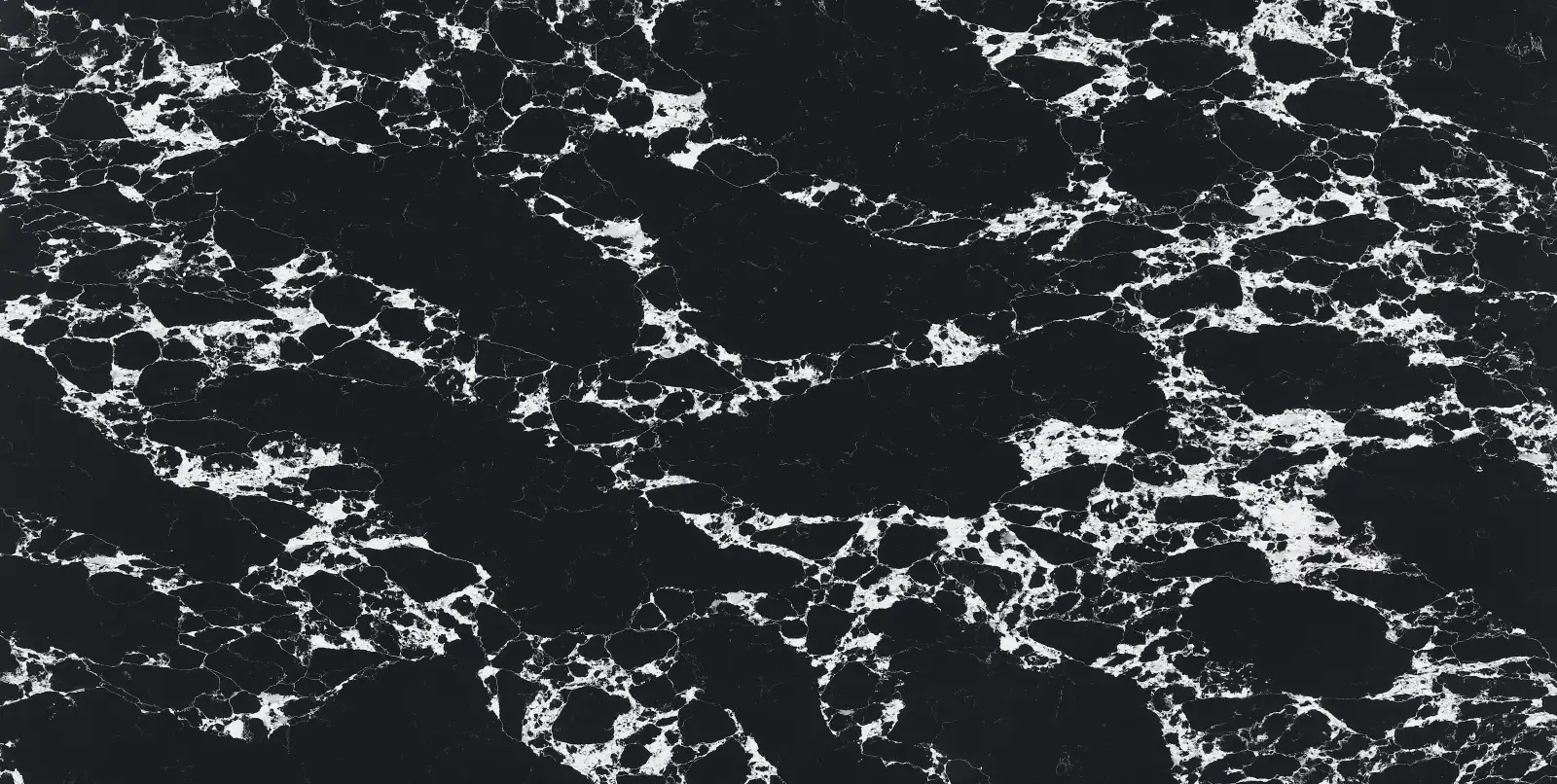
| Primary Color(s) | Deep Jet Black |
| Accent Color(s) | Bold Bright White Mosaic Pattern |
| Craft | Regular |
| Finishes | Polished / Honed / Suede / Leathered |
| Customized Size | 138″ × 79″ / 126″ × 63″ / Customizable |
| Thickness | 20mm/30mm/Customizable |
| Edge Style | Eased polished edge/2+2cm laminated edge/Mitred edge |
| Full Body Quartz | Yes |
| Bookmatch Available | Yes |
| Place of Origin | Thailand |
| Port of Transportation | Thailand |
| Packaging | Foam or carton inside + strong wooden crates with reinforced straps outside and fumigation |
| Delivery time | 15-20 days / Express service is negotiable. |
| MOQ | 10 ㎡ |
| Payment terms | 30%T/T after confirm the order and the 70% T/T by copy of B/L |
| Countertops Residential: Yes Commercial: Yes |
| Wall Residential: Yes Commercial: Yes |
| Flooring Residential: Yes Commercial: Yes |
Description:
Frequently asked questions
Is quartz good for a dining table?
Yeah, quartz is solid for a dining table—especially if you’re looking for durability and low maintenance. It resists scratches, stains, and heat better than most materials, which is a big plus when dealing with everyday spills and hot dishes. That said, it’s not indestructible. If you’re setting down heavy pots or using sharp knives directly on the surface, you can still get chips or micro-scratches over time. The real issue is the cost: custom quartz tables can run steep, especially if you want a thick edge or bookmatched slabs. Also, seams can be visible if the table’s large—unless you’re using a jumbo or super-jumbo slab. If you’re going with a prefab option, make sure the edges are properly polished and the thickness is consistent. Overall, it’s a smart choice if you want something that looks high-end and holds up well in a high-traffic space—just don’t treat it like a cutting board.
What is the downside of quartz?
Quartz is great, but it’s not perfect. The biggest downside? It’s not immune to heat. While it can handle a hot cup of coffee or a pan straight from the oven for a few seconds, prolonged exposure—especially to direct flame or high-temperature cooking tools—can cause thermal shock, leading to cracks or discoloration. It’s also not as scratch-resistant as some think. Knives, metal pots, or even rough utensils can leave marks over time, especially on lower-grade or softer finishes. Then there’s the cost—quartz isn’t cheap, and prices go up fast with custom fabrication, thick edges, or large slabs. Seams can be a pain too—especially on wide surfaces like kitchen islands or dining tables—because they’re visible and require precise matching. And while it’s non-porous and doesn’t need sealing, some people find the look ‘too manufactured’ compared to natural stone. Lastly, it’s not recyclable in the same way as natural stone, so it’s less eco-friendly.
Are quartz dining tables good?
Quartz dining tables are good—if you’re prioritizing durability and ease of care. They’re harder than wood, resist stains and moisture, and don’t need sealing like granite or marble. For families or busy households, that’s a major win. They hold up well to spills, kids, and daily wear. But don’t expect it to be bulletproof. A dropped glass or a knife slash can still leave a mark. You also lose some warmth and character that you get with wood or stone—quartz can feel cold and clinical if not paired with the right decor. And if you’re going custom, expect a hefty price tag—especially if you want a thick edge or a seamless look. If you’re set on a modern, clean aesthetic and don’t mind the upfront cost, a quartz dining table is a smart pick. Just treat it with respect—no cutting on the surface, and avoid placing hot items directly on it for long periods.
Does anyone here own a quartz, porcelain or concrete top ?
Yep, I’ve seen all three in real-world installs. Quartz is the most practical for everyday use—low maintenance, scratch-resistant, and looks clean. But it’s pricey and can’t handle high heat well. Porcelain is a close second—extremely durable, heat-resistant, and available in huge slabs with minimal seams. It’s more like a tile but engineered to be tough. The downside? It can be brittle if impacted hard, and the finish might chip or scratch if you’re not careful. Concrete, on the other hand, is a mixed bag. It’s unique and can be customized in color and texture, but it’s porous, needs sealing, and can crack over time. It’s also more labor-intensive to install and maintain. For a dining table, I’d lean toward quartz —especially if you’re looking for something that lasts and doesn’t require constant upkeep. Concrete look’s cool if you’re going for a raw, industrial look, but it’s not for everyone.