


- Home
- Quartz
- Quartz Slabs
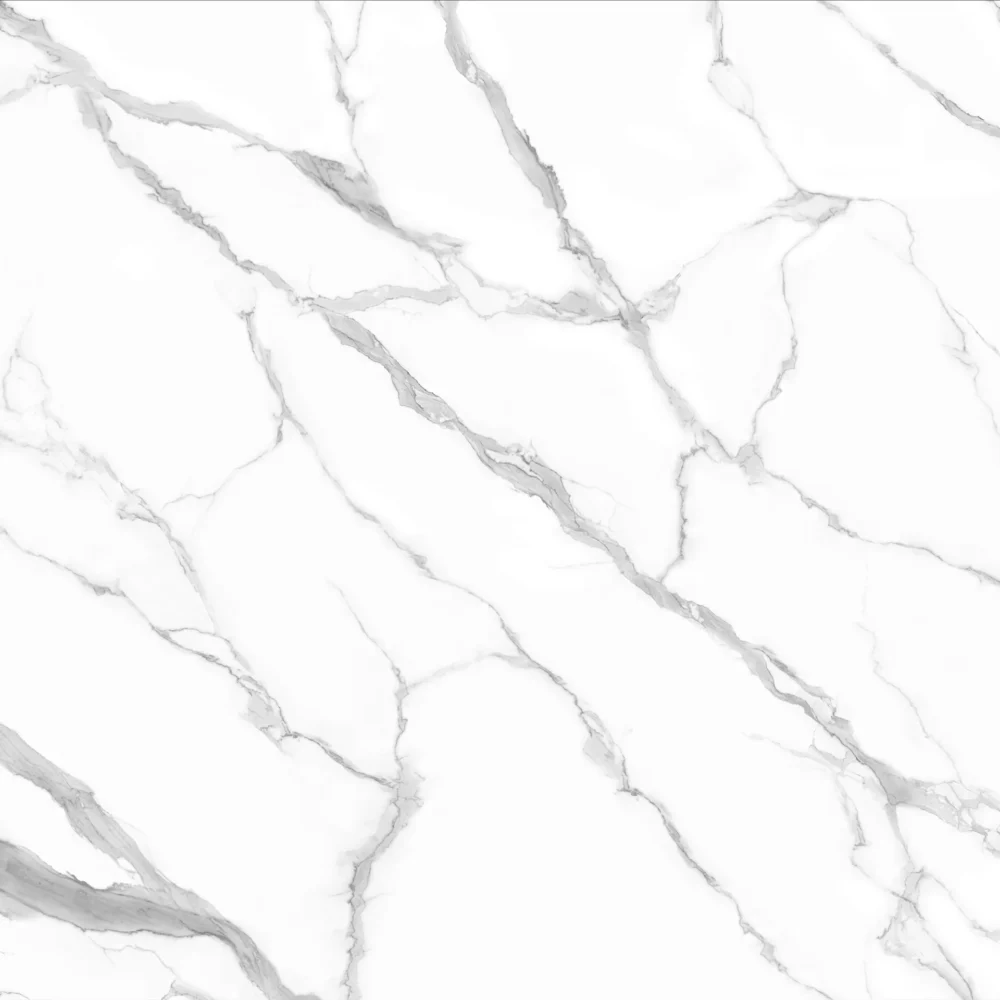
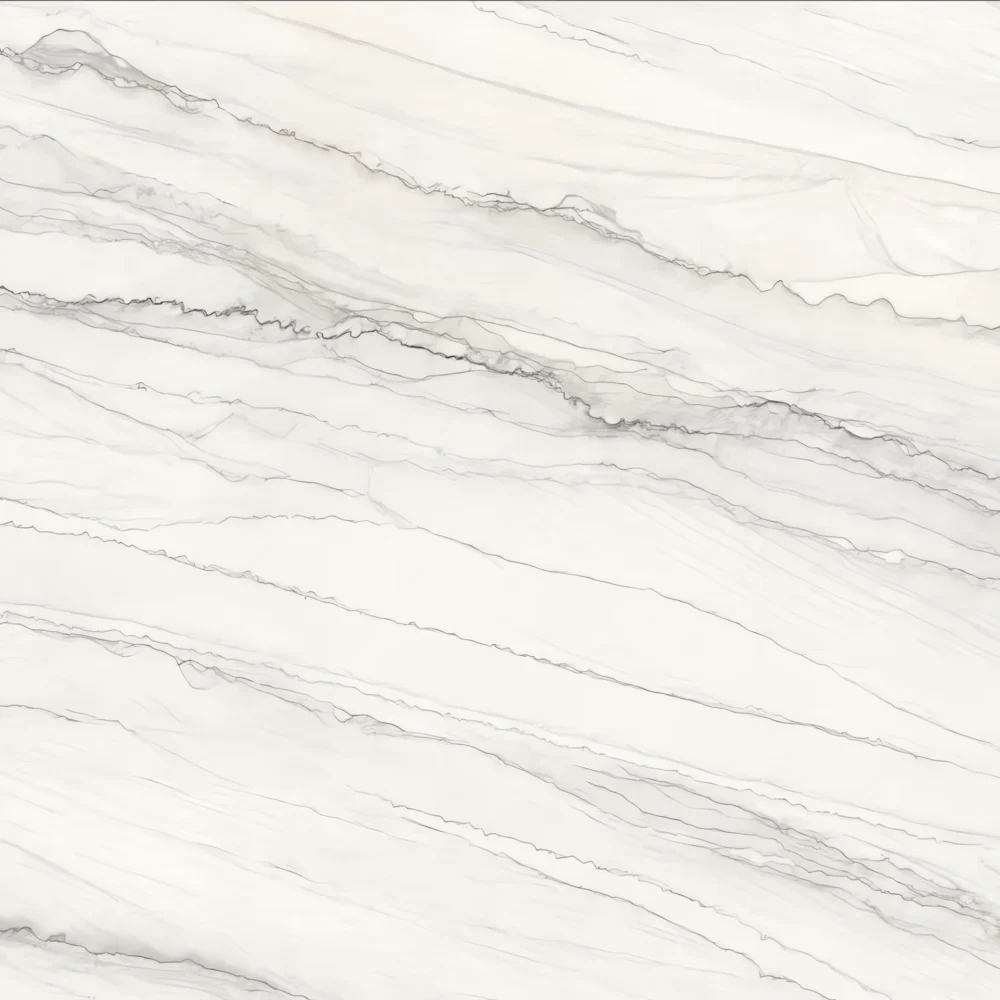
- Magnolia Quartz Countertops GQ-T216 for Wholesale
Magnolia Quartz Countertops GQ-T216 for Wholesale
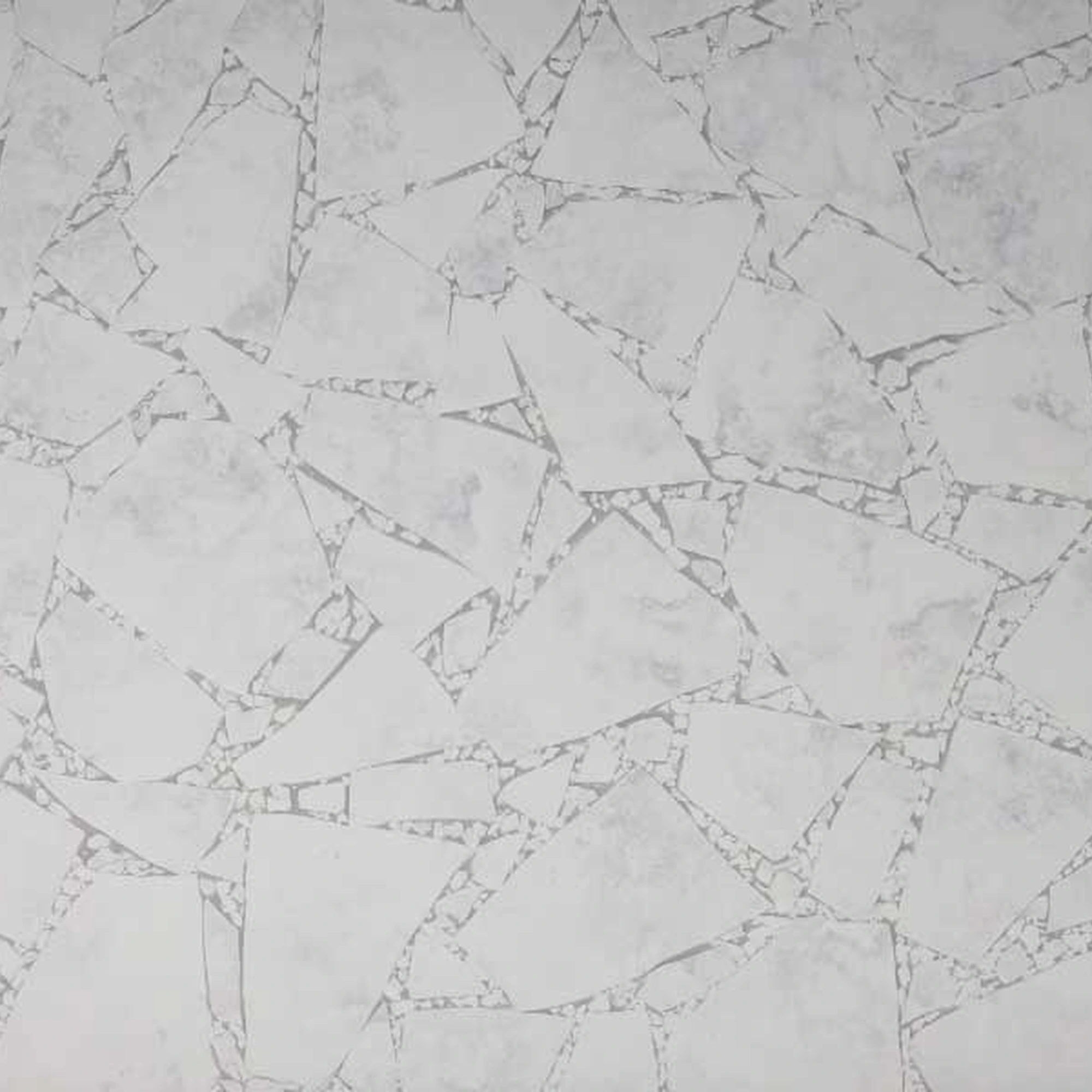
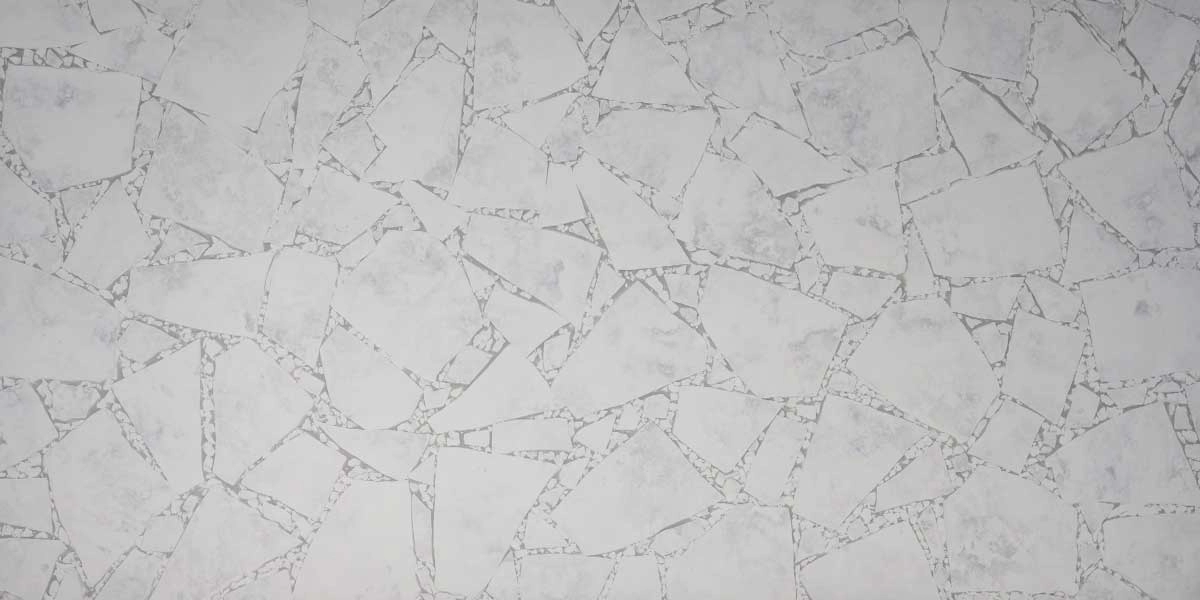
| Primary Color(s) | Pale Silver White |
| Accent Color(s) | Cool Silver Grey Mosaic Vein |
| Craft | Regular |
| Finishes | Polished / Honed / Suede / Leathered |
| Customized Size | 138″ × 79″ / 126″ × 63″ / Customizable |
| Thickness | 20mm/30mm/Customizable |
| Edge Style | Eased polished edge/2+2cm laminated edge/Mitred edge |
| Full Body Quartz | Yes |
| Bookmatch Available | Yes |
| Place of Origin | Thailand |
| Port of Transportation | Thailand |
| Packaging | Foam or carton inside + strong wooden crates with reinforced straps outside and fumigation |
| Delivery time | 15-20 days / Express service is negotiable. |
| MOQ | 10 ㎡ |
| Payment terms | 30%T/T after confirm the order and the 70% T/T by copy of B/L |
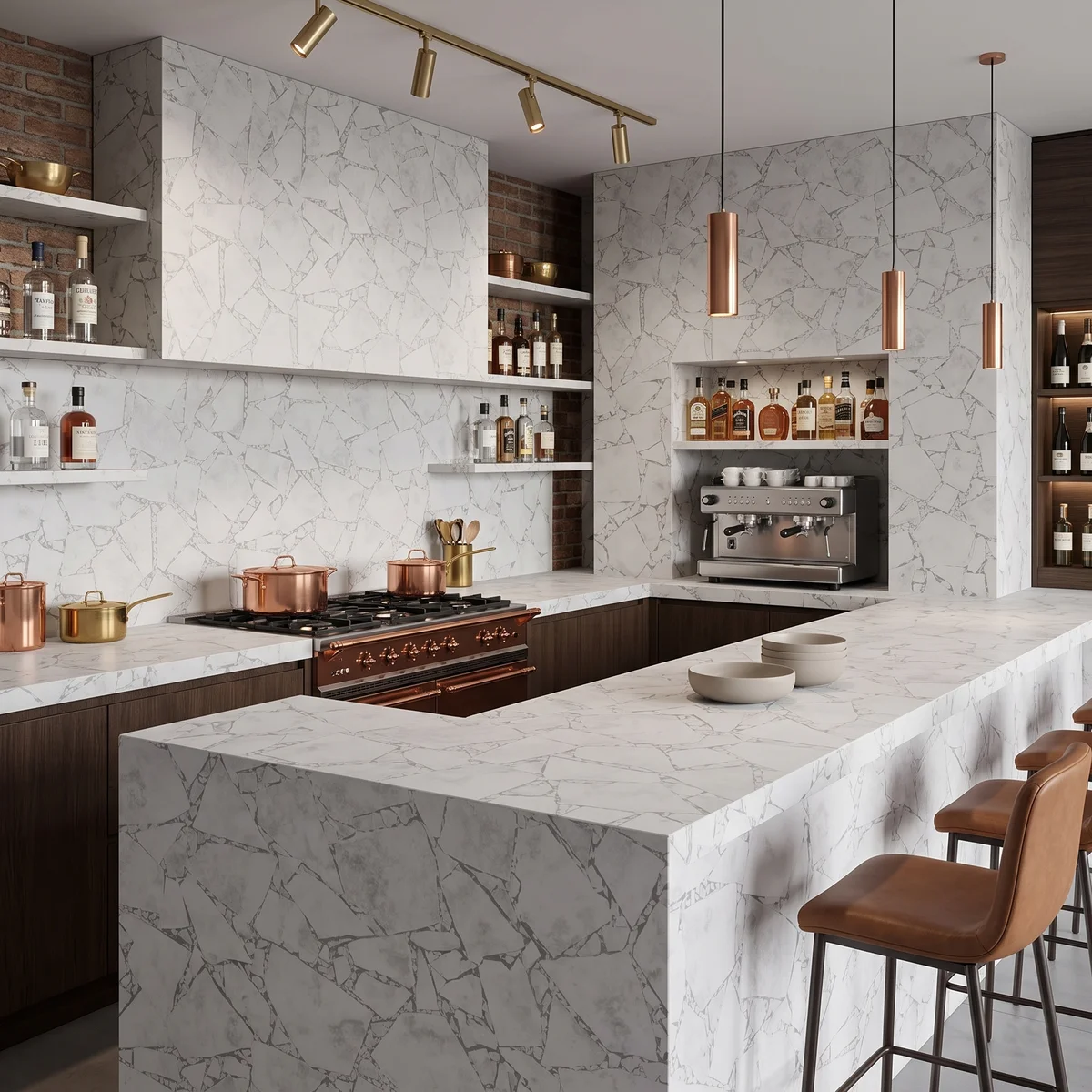
| Countertops Residential: Yes Commercial: Yes |
| Wall Residential: Yes Commercial: Yes |
| Flooring Residential: Yes Commercial: Yes |
Description:
Frequently asked questions
What sparkling white quartz countertops would match ?
If you’re looking for sparkling white quartz countertops that match well, you want something with a clean base and subtle sparkle—like our Sparkling White or Pure White. These have fine mineral flecks that catch light without being overwhelming. For a kitchen, pair it with warm wood cabinets or brushed nickel hardware to balance the shine. In a bathroom, it works great with matte black fixtures for contrast. Avoid pairing it with overly busy backsplashes—let the sparkle do the talking. One thing to watch: some sparkly quartz has more glitter than others; if it’s too flashy, it can feel cheap in larger spaces. Always request a slab sample, especially if you’re doing a long run—some batches vary in sparkle density. And if you’re in Great Falls, check with reliable fabricators like Grand Quartz Tech—we often have samples of popular sparkly whites like ‘White Snow’ or ‘Crystal White’ that are in stock. The key is consistency: make sure the sparkle is uniform across your entire countertop.
Quartz countertops for warm white cabinets?
For warm white cabinets, you want a quartz countertop that complements the undertones without clashing—think creamy whites, soft greys, or beige-based whites. Avoid pure, cool whites like ‘Snow White’ or ‘Ice White’ because they’ll make your cabinets look yellow or dated. Instead, go for something like our ‘Warm White’ or ‘Carrara White’—they have subtle gold or beige flecks that harmonize with warm finishes. If you’re in Great Falls and working with a local fabricator, ask about ‘Taj Mahal’ quartz alternatives—many brands now offer warm-veined whites that mimic the look without the price tag. Also, consider a quartz with light grey veining; it adds depth without stealing the show. Pro tip: always bring your cabinet paint swatch when selecting quartz. A 2×2 slab sample under natural light will reveal whether the color reads warm or cool in your space. And if you’re doing a backsplash, stick to something neutral—white subway tile or a warm-toned mosaic—so the cabinets and countertops stay the focus.
What is the difference between white crystals and clear quartz?
White crystals and clear quartz are often confused, but they’re not the same. Clear quartz is pure, transparent mineral—what you see in raw geodes or healing stones. It’s chemically pure silicon dioxide and has no color. White crystals, on the other hand, usually refer to quartz that’s been treated, impregnated, or mixed with minerals to create a milky or cloudy appearance—like milky quartz or rose quartz. In countertop applications, ‘white crystal’ typically means engineered quartz with white base and glittery flecks, not actual crystal. Clear quartz isn’t used in countertops because it’s too brittle and lacks durability. Instead, manufacturers use high-grade quartz aggregates in engineered stone. So when you’re looking at a ‘white crystal’ quartz countertop, it’s likely a fabricated product with mineral additives for sparkle. Real clear quartz? It’s beautiful in jewelry or decor, but not for kitchen surfaces. If you want that ‘crystalline’ look, go for a high-sheen quartz with reflective particles—it’ll give you the effect without the fragility.
Does white quartz turn yellow over time?
In regular quartz production, the color is controlled through the raw materials, pigments, and curing process. A properly manufactured white quartz slab has good color stability and should maintain its original appearance for many years.
From our experience as a quartz manufacturer, when customers notice white quartz becoming yellow, it is usually related to specific conditions rather than normal aging.
A few things to keep in mind:
- Regular quartz countertops – High-quality conventional quartz is designed to be color stable. With normal indoor applications, daily cleaning, and proper care, the white background should not naturally turn yellow.
- Printed quartz – Some quartz designs use heat printing technology to create more realistic stone patterns. These products should not be exposed to strong direct sunlight for long periods, such as outdoor applications or areas with continuous UV exposure, because prolonged sunlight can affect the surface color and may cause yellowing over time.