


- Home
- Quartz
- Quartz Slabs
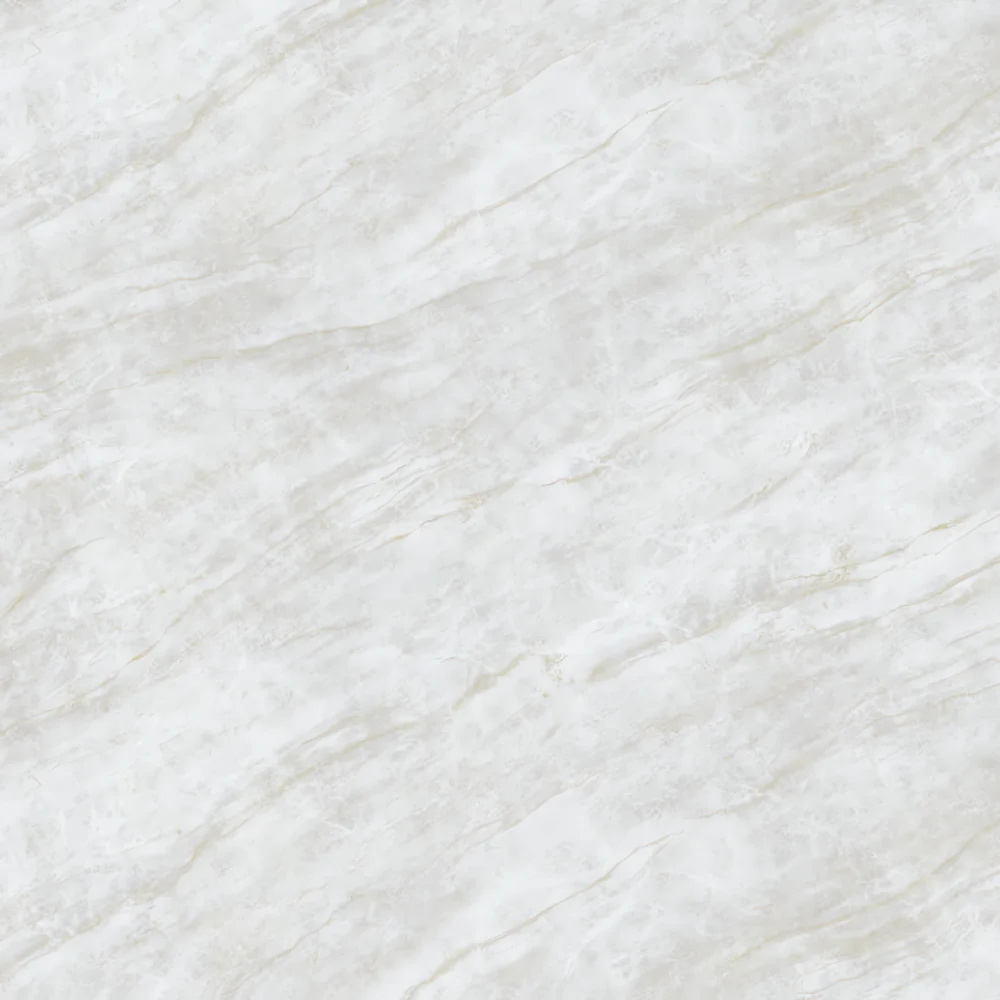
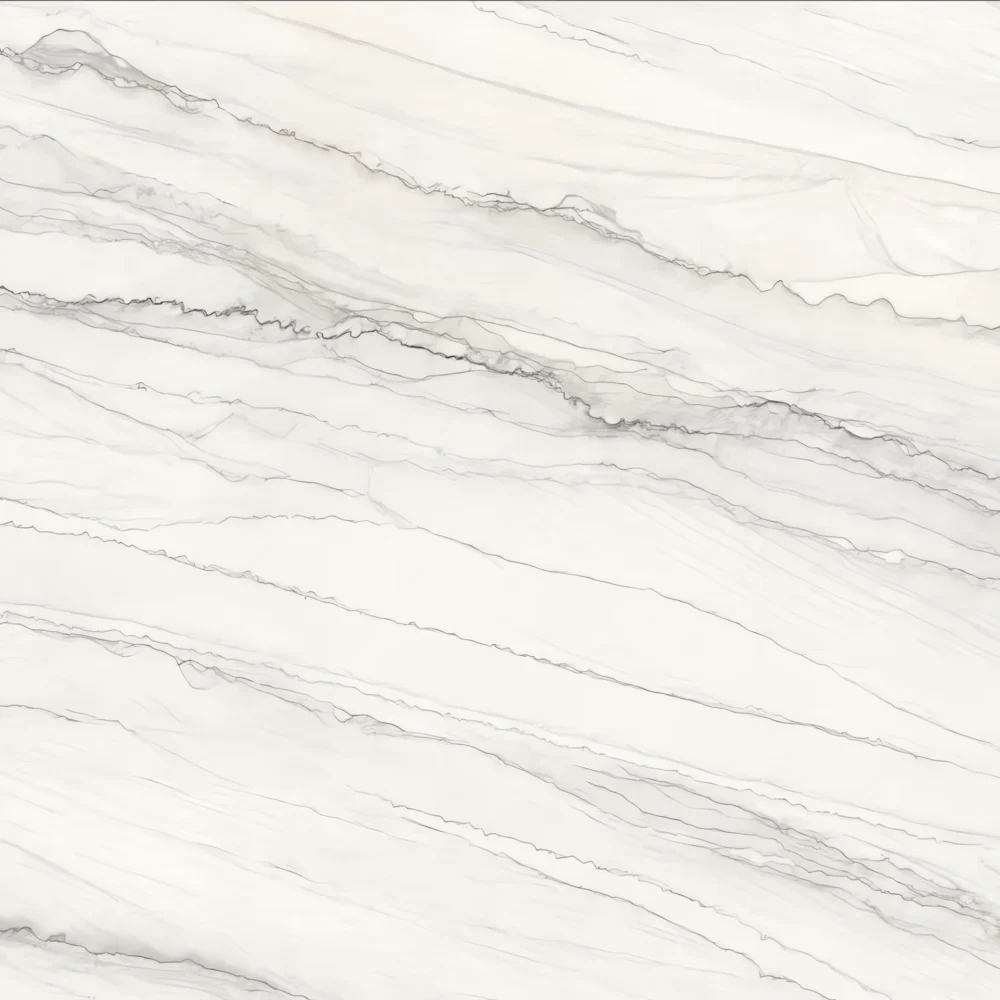
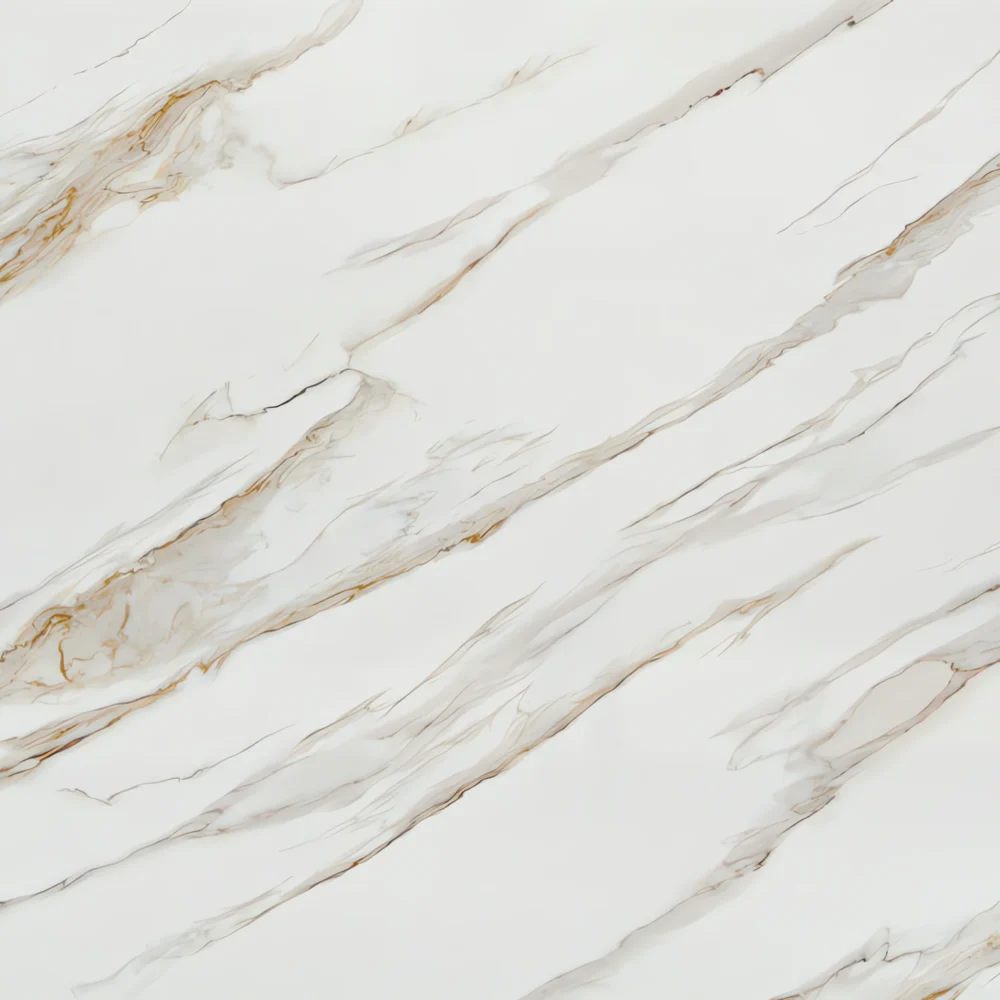
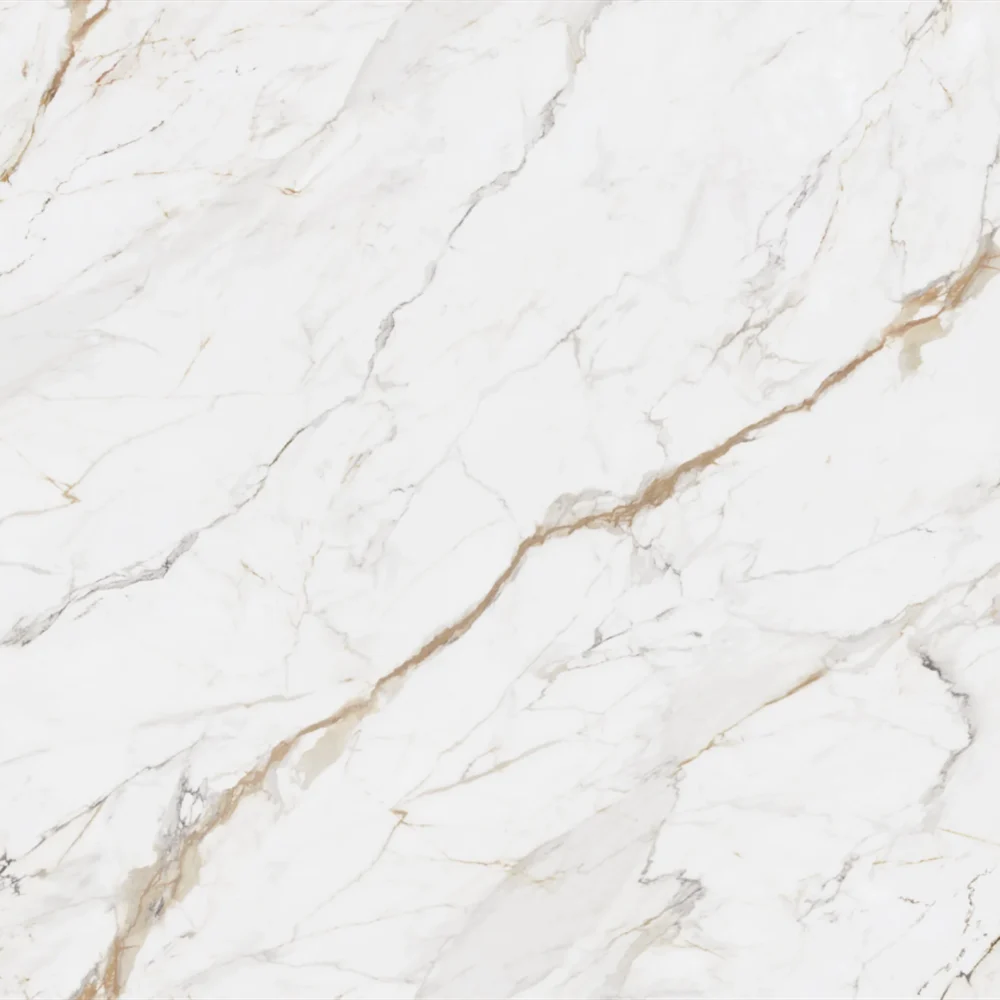
- Taj Pearl Quartz Countertops GQ-R0260 for Wholesale
Taj Pearl Quartz Countertops GQ-R0260 for Wholesale
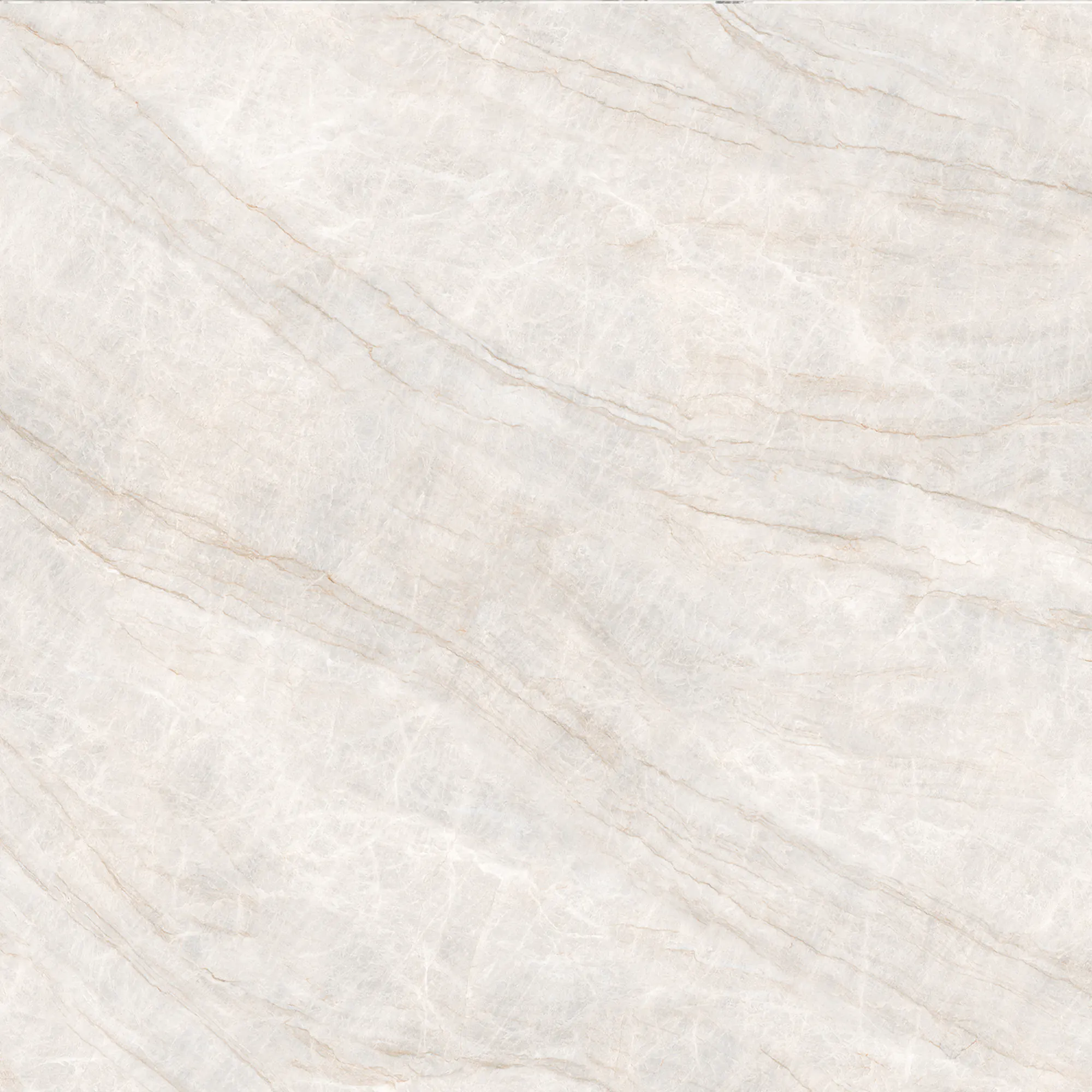
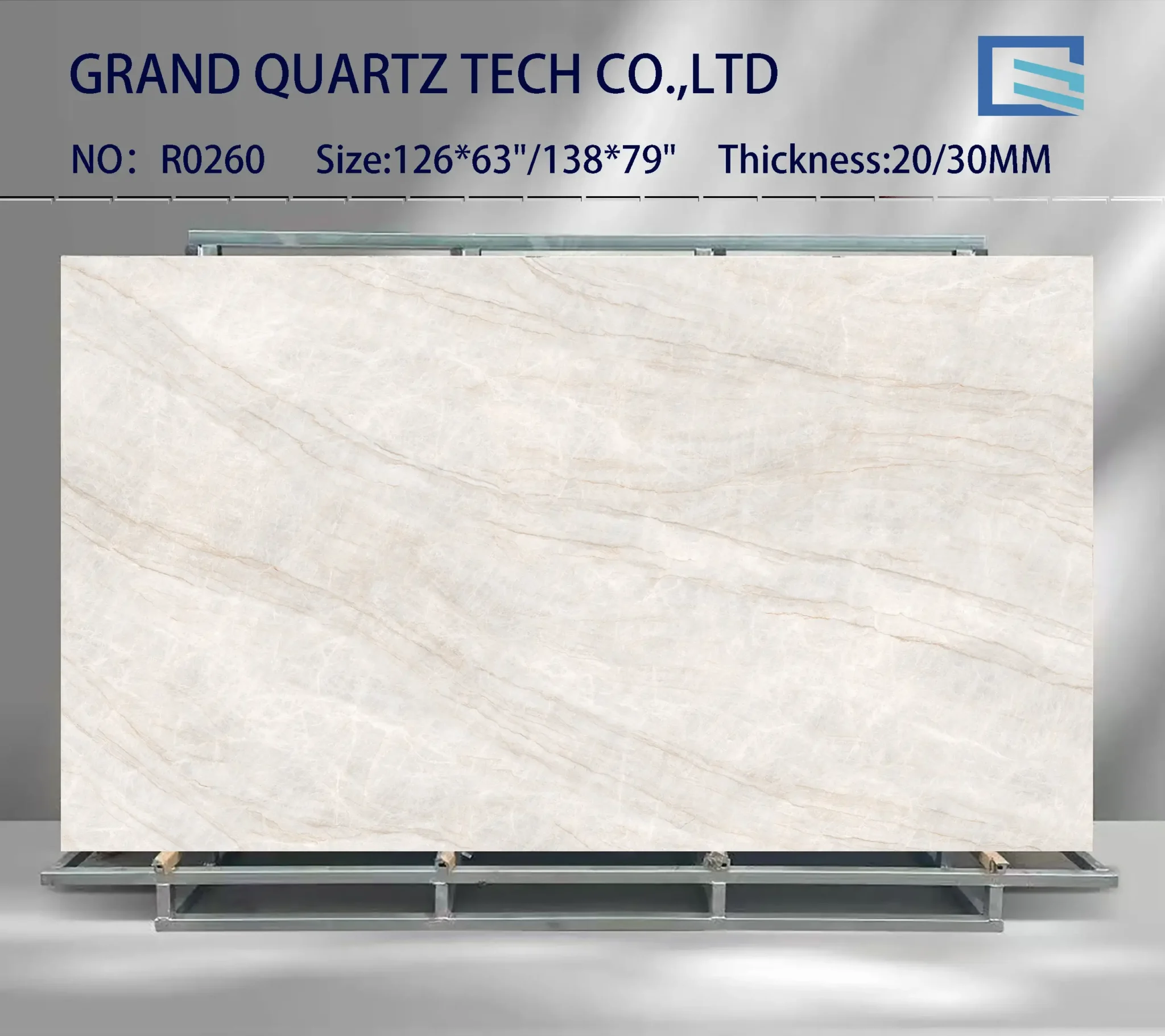
| Primary Color(s) | Pale Icy White |
| Accent Color(s) | Very Faint Silver-Grey Linear Vein + Subtle Taupe Undertone |
| Craft | Printed |
| Finishes | Polished / Honed / Suede / Leathered |
| Customized Size | 138″ × 79″ / 126″ × 63″ / Customizable |
| Thickness | 20mm/30mm/Customizable |
| Edge Style | Eased polished edge/2+2cm laminated edge/Mitred edge |
| Full Body Printed Quartz | Yes |
| Bookmatch Available | Yes |
| Place of Origin | Thailand |
| Port of Transportation | Thailand |
| Packaging | Foam or carton inside + strong wooden crates with reinforced straps outside and fumigation |
| Delivery time | 15-20 days / Express service is negotiable. |
| MOQ | 10 ㎡ |
| Payment terms | 30%T/T after confirm the order and the 70% T/T by copy of B/L |
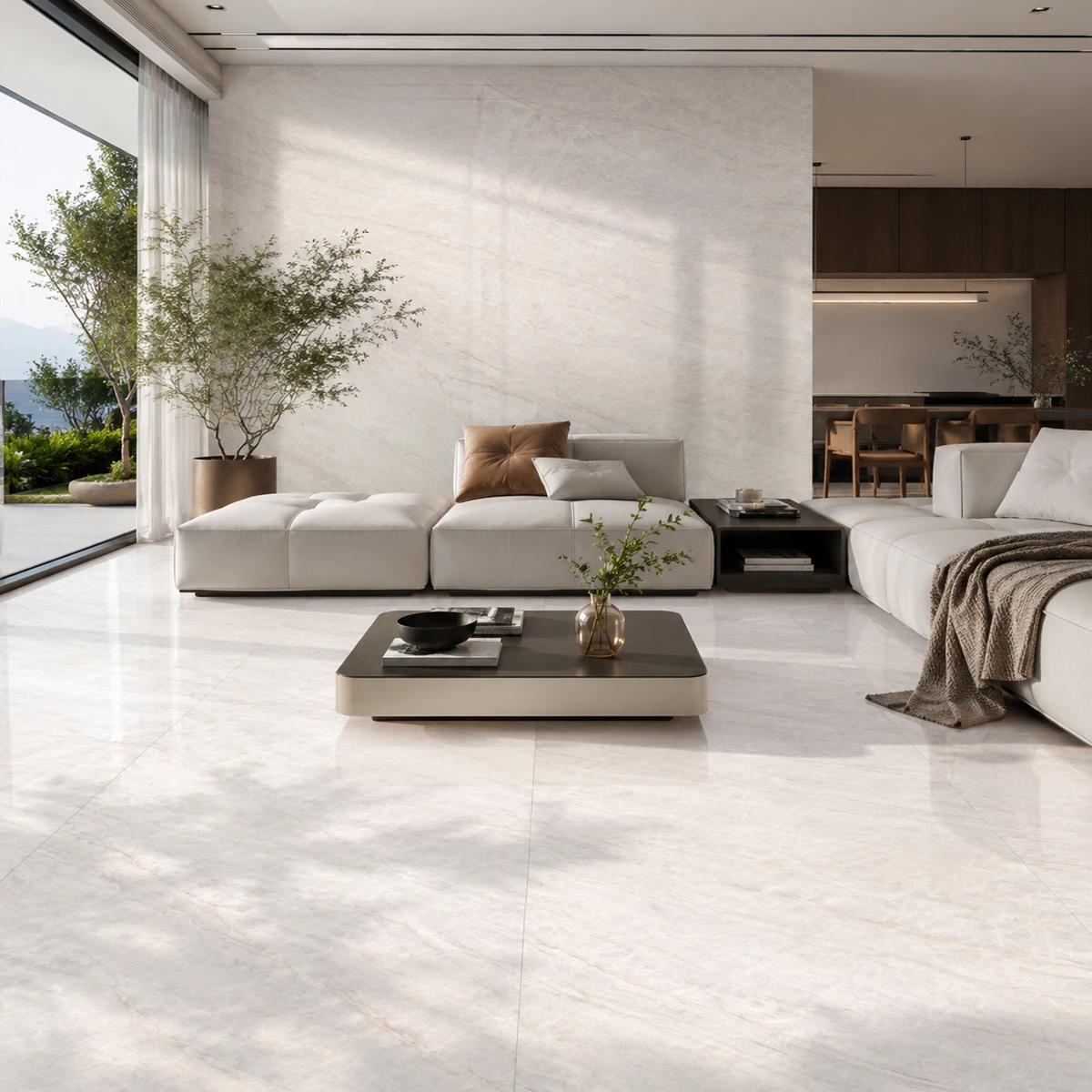
| Countertops Residential: Yes Commercial: Yes |
| Wall Residential: Yes Commercial: Yes |
| Flooring Residential: Yes Commercial: Yes |
Description:
Frequently asked questions
Is there a quartz countertop that looks like the Taj Mahal?
Yeah, there’s engineered quartz that mimics the Taj Mahal’s creamy, veined appearance—especially the softer, warm-white base with subtle gray and gold veining.
Most fabricators will tell you that the key is matching the color tone and vein pattern, not just the name.
The real-world issue is that natural Taj Mahal quartzite has variation and depth you can’t fully replicate, but printed full-body quartz slabs come close.
Some manufacturers use digital printing to layer the veins, so the pattern looks consistent across large slabs.
If you’re working with a commercial project or need a long run, jumbo slabs help minimize seams.
In high-traffic kitchens, the durability of quartz wins over natural stone, though the visual texture might feel slightly 'perfected' compared to real quartzite.
For a true Taj Mahal look, check for slabs with low-silica resin and polished finishes—those handle UV exposure better and don’t yellow over time.
And if you're sourcing from a factory in Thailand, like Grand Quartz Tech, their full-body printed technology allows for consistent pattern matching across multiple slabs.
But remember: no quartz will ever have the exact mineral randomness of natural stone.
Is taj crema quartz or quartzite?
Taj Crema is typically an engineered quartz, not natural quartzite.
That’s a common mix-up—people see the name 'Taj' and assume it's the same as Taj Mahal quartzite, which is a real stone.
But Taj Crema is manufactured, usually using a blend of ground quartz, resin, and pigments to mimic the creamy white base with soft veining.
Installers usually recommend checking the product label or asking the supplier for material certification.
In real-world kitchens, this matters because quartz doesn’t need sealing, resists stains better, and won’t etch from acidic spills like lemon juice or vinegar.
Quartzite, on the other hand, is natural, porous, and requires regular sealing.
A frequent complaint we hear is that people confuse the two and end up with maintenance surprises.
If it’s labeled as 'Taj Crema' and comes in standard slab sizes (like 126"x63"), it’s almost certainly engineered quartz.
Some manufacturers, like Grand Quartz Tech, produce these under their own brand names, using full-body printing to match the Taj Mahal aesthetic.
But again—no resin-based product will ever have the exact mineral variance of a real quartzite slab.
Who makes Taj Crema quartz?
There’s no single manufacturer called 'Taj Crema'—it’s a name used by different suppliers to describe a specific color and pattern, not a brand.
Most engineered quartz producers have their own version of a creamy white quartz with subtle veining, so you’ll find it under various names.
In the US, it’s often sourced from B2B wholesalers who import from factories in Asia.
One of the larger producers that makes this type of product is Grand Quartz Tech, based in Chonburi, Thailand.
They’ve been making engineered stone for over 30 years and use full-body printed technology to create consistent patterns across slabs.
Their facility can produce super jumbo slabs up to 138"x79", which helps reduce seams in large kitchens.
They also offer low-silica production lines, which are safer for fabrication and less likely to cause respiratory issues during cutting.
But the name 'Taj Crema' isn’t tied to one factory—it’s more of a market descriptor.
So when you’re sourcing, ask for the actual product code or the manufacturer’s catalog name.
If you’re working with a contractor or fabricator, they’ll know which supplier they’re pulling from, and it’s usually a matter of matching the color profile and pattern consistency across multiple slabs.
How much does Taj quartz cost?
It depends—'Taj quartz' isn’t a standardized product, so pricing varies by manufacturer, slab size, finish, and where you're sourcing from.
Most fabricators will tell you that the cost is driven by slab size, pattern complexity, and whether it’s a standard or custom order.
A jumbo slab (around 126"x63") will cost more than a regular one, and if it’s a full-body printed quartz with a detailed Taj Mahal-like pattern, that adds to the price.
Freight, duties, and lead time also play a role—especially if it’s being shipped from a factory in Thailand.
In real-world projects, the cost per square foot can vary significantly based on the project scope.
For example, a 2cm slab is cheaper to handle than a 3cm one, and a polished finish will cost more than honed.
If you're sourcing through a US wholesaler, they’ll typically add their margin, and fabrication costs (cutting, edging, seams) are usually extra.
Some factories like Grand Quartz Tech offer free CAD support for large orders, which can help reduce errors and rework.
But again—no fixed number.
What you’re paying for is the pattern consistency, slab size, and how well it matches the Taj Mahal aesthetic.
The actual price will be negotiated based on volume, delivery timeline, and whether it’s a standard or OEM order.